
Pittsburgh!

Books

On Sale December 17th, 2023 the International Day to End Violence Against Sex Workers
“From the Furnace, with Love” is an exploration into the multi-generational influence of Shirley Cavanaugh, a 28-year-old sex worker whose testimonies against corrupt Pittsburgh police brought about the total dismantling and collapse of the revered 1950s Vice and Narcotics Squad.
But Shirley Cavanaugh's life was far more complex and nuanced than the newspaper headlines of the 1950s would have suggested. Shirley was the mother of four children, each of whom possessed a story of abandonment, courage, coincidence, and perseverance.
When the stories of these two generations are woven together by a third … “From the Furnace, with Love” becomes a three-decade-long journey of familial healing.
Nearly a century after it began, Shirley’s story opens into the heart of forgiveness, through the vulnerable exposition of generational trauma.

Abrams
Paperback
Fred Rogers (1928–2003) was an enormously influential figure in the history of television. As the creator and star of Mister Rogers’ Neighborhood, he was a champion of compassion, equality, and kindness, fiercely devoted to children and taking their questions about the world seriously. The Good Neighbor is the first full-length biography of Fred Rogers.
Based on original interviews, oral histories, and archival documents, The Good Neighbor traces Rogers’s personal, professional, and artistic life through decades of work. It includes his surprising decision to walk away from the show in 1976 to make television for adults, only to return to the neighborhood to help children face complex issues such as divorce, discipline, mistakes, anger, and competition. The Good Neighbor is the definitive portrait of a beloved figure.

Arcadia Publishing
In the ancient hills and misty hollows of Fayette County, Pennsylvania, generations of locals have passed down stories of a woman with mysterious magical powers. People came from near and far to seek healing and protection through her strange rituals. Some even believed she could fly. Named Moll Derry and nicknamed the Witch of the Monongahela, her legend has been documented by writers and folklorists for more than two hundred years. She is intertwined in many regional tales, such as the Lost Children of the Alleghenies and Polly Williams and the White Rocks. Author Thomas White separates fact from fiction in the many versions of Moll Derry and recounts Western Pennsylvania’s folk magic history along the way.
Thomas White is the university archivist and curator of special collections in the Gumberg Library at Duquesne University. He is also an adjunct lecturer in Duquesne’s History Department and an adjunct professor of history at La Roche University. White received a master’s degree in public history from Duquesne University. Besides the folklore and history of Pennsylvania, his areas of interest include public history, American cultural history and the occult. He is the award-winning author of ten other books, including Legends and Lore of Western Pennsylvania, Forgotten Tales of Pennsylvania, Ghosts of Southwestern Pennsylvania, Forgotten Tales of Pittsburgh, Forgotten Tales of Philadelphia (coauthored with Edward White), Gangs and Outlaws of Western Pennsylvania (coauthored with Michael Hassett), A Higher Perspective: 100 Years of Business Education at Duquesne University, Witches of Pennsylvania: Occult History and Lore, Supernatural Lore of Pennsylvania: Ghosts, Monsters and Miracles (editor) and Haunted Roads of Western Pennsylvania (coauthored with Tony Lavorgne).

National Book Network
Pittsburgh Food Crawls is an exciting culinary tour through Steel City. Discover hidden gems and long-standing institutions. Each crawl is the complete recipe for a great night out, the perfect tourist day, a new way to experience your own city, or simply food porn to enjoy from home. Put on your walking shoes and your stretchy pants, and dig into Pittsburgh one dish at a time.

National Book Network
From a hike through Pymatuning State Park to see its famous spillway, to an old Indian path called the Warrior Trail, this book describes the best hikes in and around Pittsburgh, many of them never previously covered elsewhere.

National Book Network
Best Easy Day Hikes Pittsburgh includes concise descriptions of the best short hikes in the area, with detailed maps of the routes. The 18 hikes in this guide are generally short, easy to follow, and guaranteed to please.
Arcadia Publishing
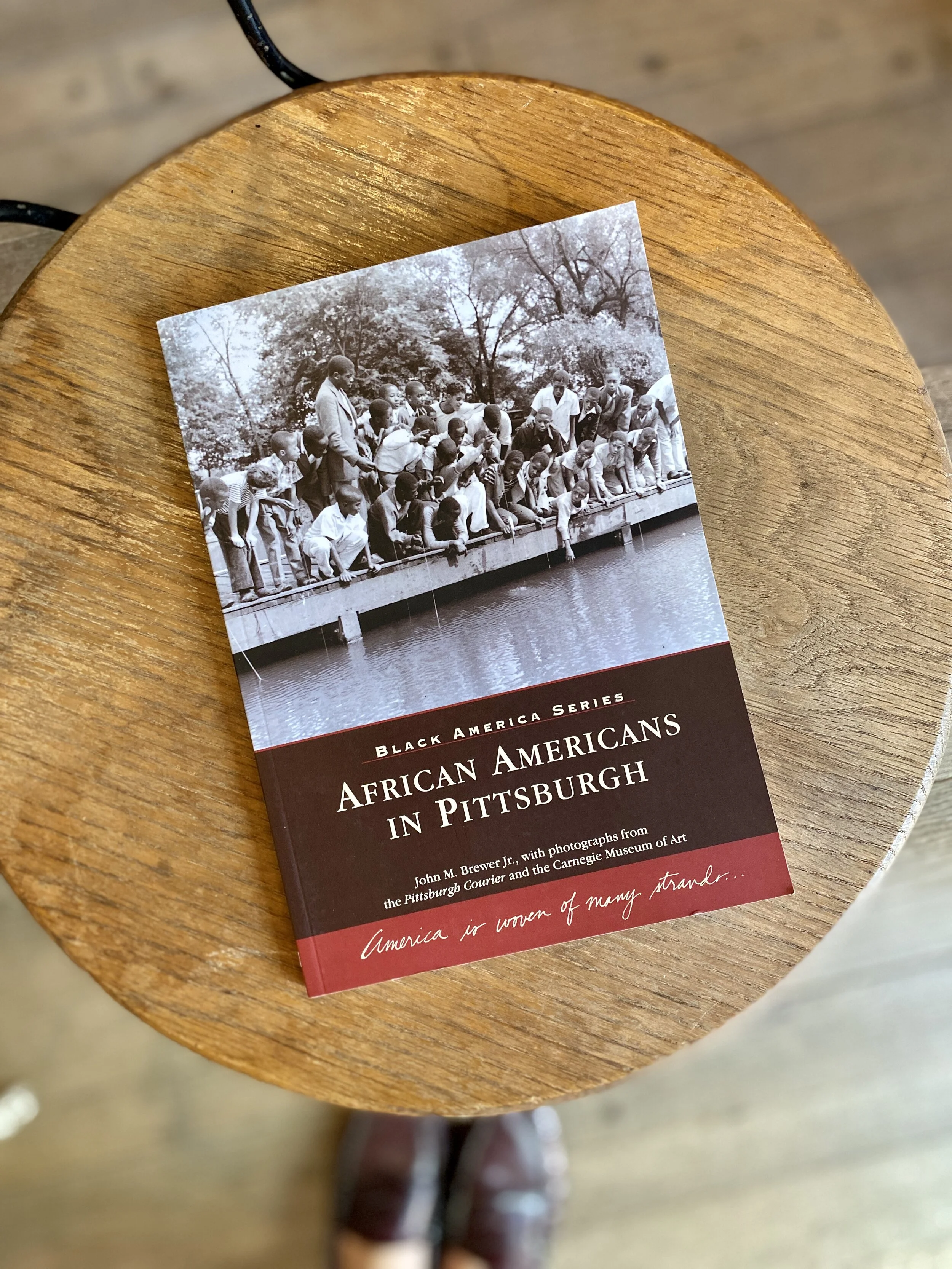
African Americans in Pittsburgh chronicles the distinct trends in this African American community. There was never one centralized neighborhood where a majority of the black population lived, and city schools were integrated until after desegregation laws were passed. Photographs captured by famed Pittsburgh photographer Charles "Teenie" Harris show the candid experiences of residents, including the achievements and celebrations of people struggling to put scraps of food on the table.
John M. Brewer Jr. is a historian and consultant for the Pittsburgh Courier archive project, a consultant for the Carnegie Museum of Art's Charles “Teenie” Harris photograph project, and the curator and founder of the Trolley Station Oral History Center.
Arcadia Publishing
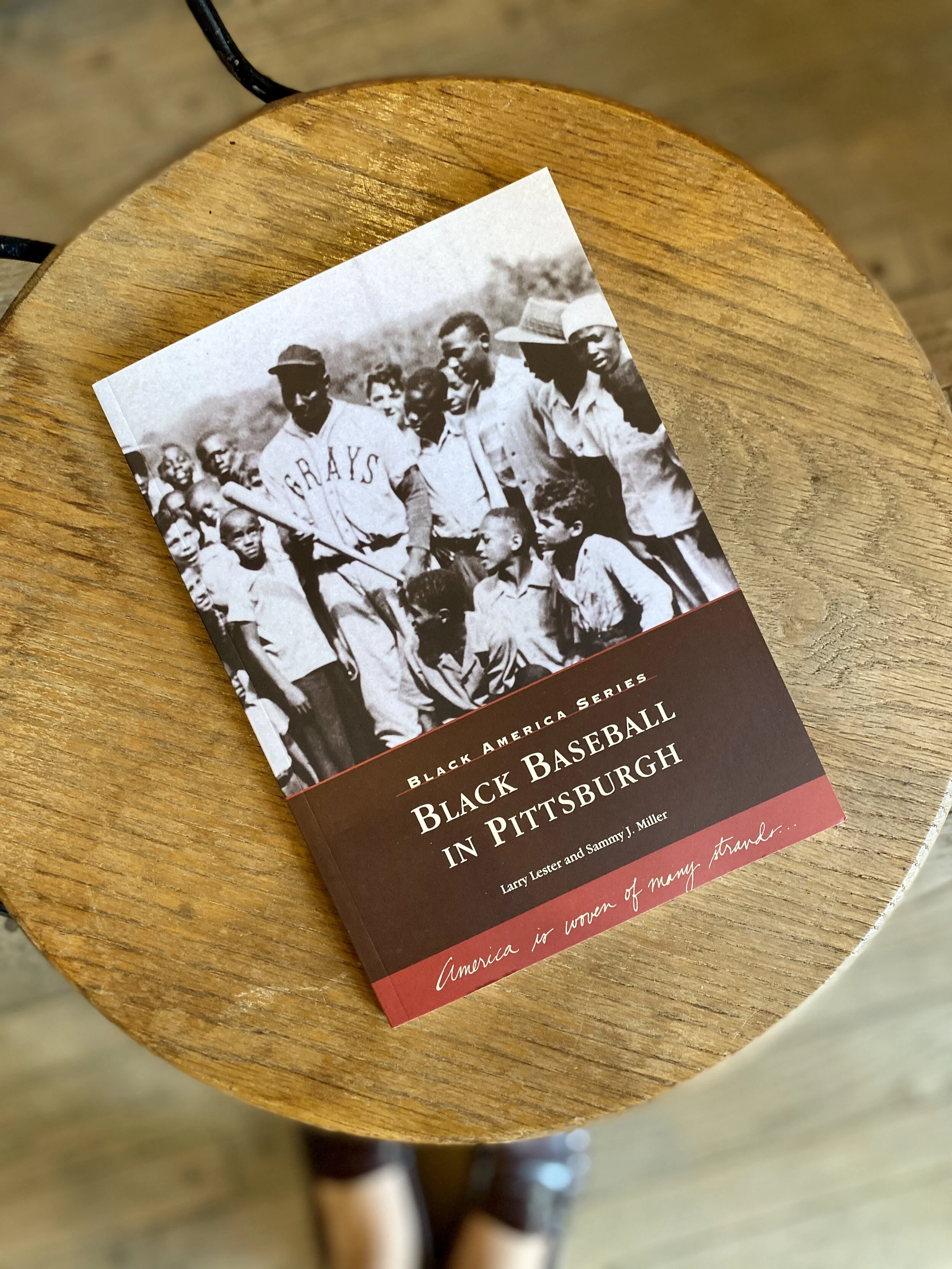
When the Negro National League was formed in Kansas City in 1920, a new chapter in America's sports history had begun. Black Baseball in Pittsburgh chronicles the history of the Negro League in the Steel City from the Homestead Grays in the 1910s to the great Pittsburgh Crawfords teams of the 1930s and through the 1950s. Here, you will meet legends such as "Smokey" Joe Williams, the famed "Thunder Twins," Josh Gibson, the Steel City's Slugger Supreme, and Buck Leonard, the King of Negro League first basemen.
Larry Lester and Sammy J. Miller, two noted historians of Negro League baseball, have teamed up to bring us the fascinating story of black baseball in Pittsburgh with nearly 200 historical photographs. Whether or not you are a baseball fan, you will be intrigued by the images of these black stars that shone on green diamonds.
Arcadia Publishing
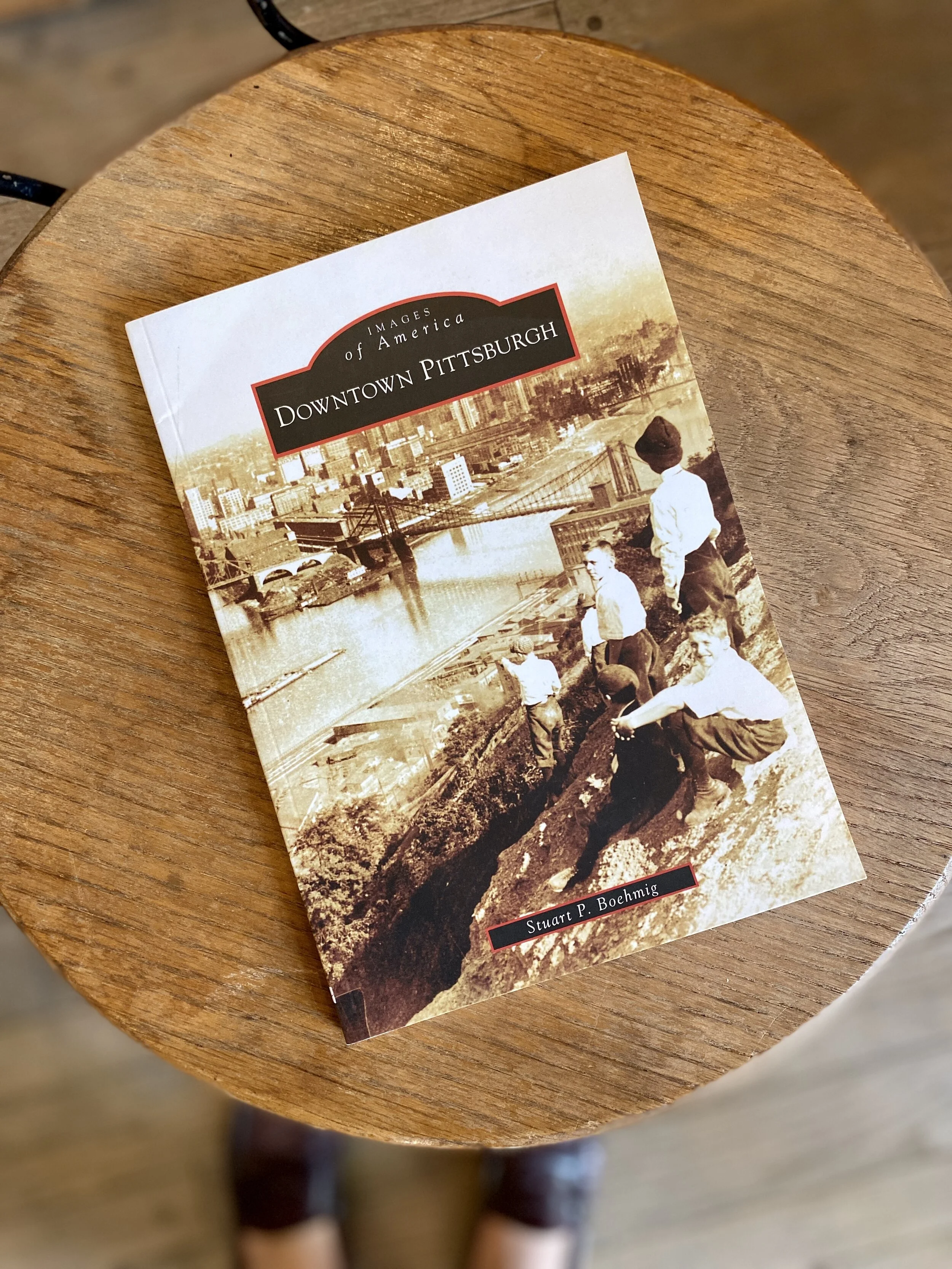
Downtown Pittsburgh is a 300-acre triangle of land where the Allegheny and Monongahela Rivers converge to form the mighty Ohio River. Between the rivers is a tiny spit of flat-bottom land once known as the gateway to the West, the portal to a vast, remote, unexplored wilderness. Ownership of this strategic wedge of land was fiercely contested for hundredsof years. The powerful Iroquois Nation first invaded the area in the 1600s during the Beaver Wars. When the French planted their flag in 1749, they collided with the British Empire for control of the forks of the Ohio River and all of North America. One hundred years later, this swath of frontier wilderness became the "workplace of the world," the heart of the great Industrial Revolution. Immigrants arrived from around Europe to work in the glass, iron, and steel mills. Industrial giants such as Carnegie, Frick, Mellon, and Heinz forged their fortunes here.Downtown Pittsburgh is the story of the great transformation of this city and its contributions to the world.
Stuart P. Boehmig is a fifth-generation Pittsburgher. He is the author of Pittsburgh's South Side.
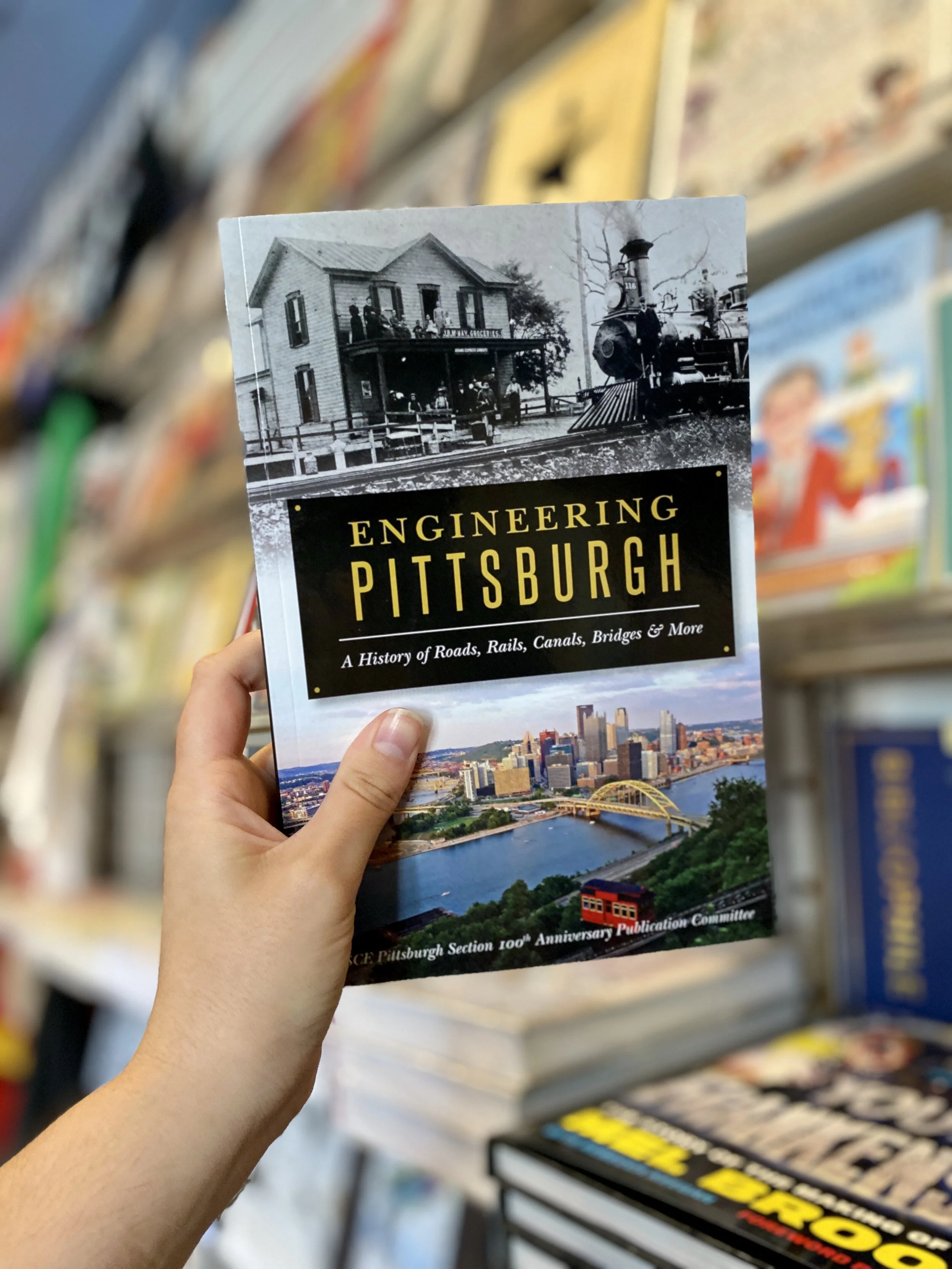
Arcadia Publishing
Western Pennsylvania's infrastructure is renowned for traversing valleys, mountains, rivers and everything in between. Early surveying in the region delineated state and local boundaries that allowed for the mapping of canals, railroads and roadways. Engineers developed bridges, ground transportation systems and airports that linked Pittsburgh to the world. Frequently overflowing rivers transformed into reliable navigation passageways. Drinking water and wastewater treatment systems allowed development and population to flourish, leading to investments in iconic buildings. Join expert civil engineers and professionals as they narrate the story of Pittsburgh and the surrounding region's engineering triumphs.
Sixteen civil engineers and professionals collaborated on this publication celebrating the Centennial Anniversary of the American Society of Civil Engineers Pittsburgh Section.
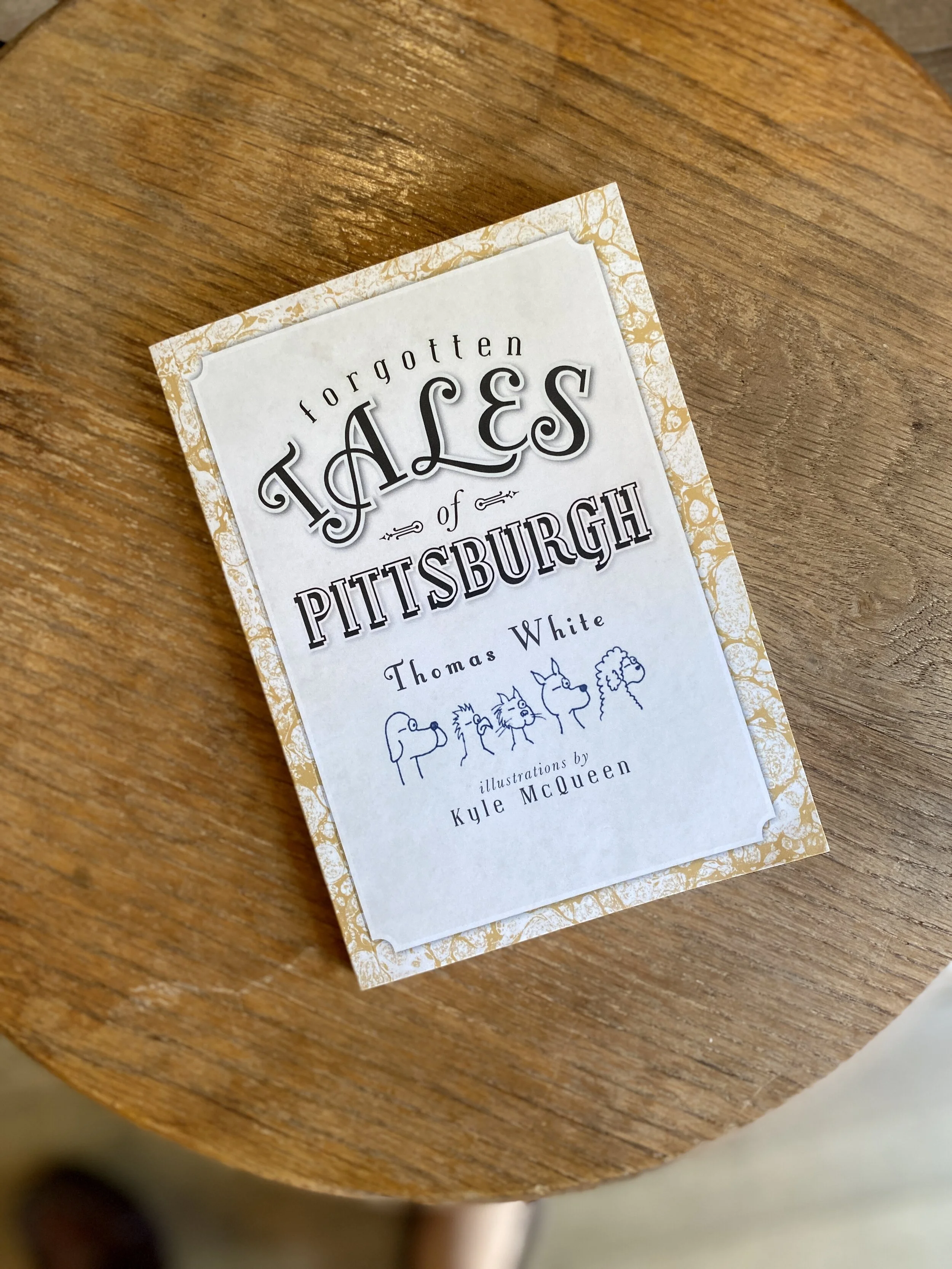
Arcadia Publishing
Such was the wisdom of the Pittsburgh Daily Gazette and Advertiser in 1866 when describing a railway boss's threat to decapitate a former employee. Pittsburgh has many such stories of strange but mostly true events. Local author Thomas White delves into these lost tales, from Lewis and Clark's inauspicious start involving an intoxicated boat builder to the death ray of inventor Nikola Tesla. A 1907 lion attack at Luna Park, death by spontaneous combustion, Jack the Ripper's rumored visit to the city and an umpire who was rescued from an angry crowd by Pirates players are all part of the forgotten history of the Steel City.
Thomas White is the university archivist and curator of special collections in the Gumberg Library at Duquesne University. He is also an adjunct lecturer in Duquesne's history department and an adjunct professor of history at La Roche College. White received a master's degree in public history from Duquesne University. He is the published author of eight books, all of which focus on Pennsylvania history.
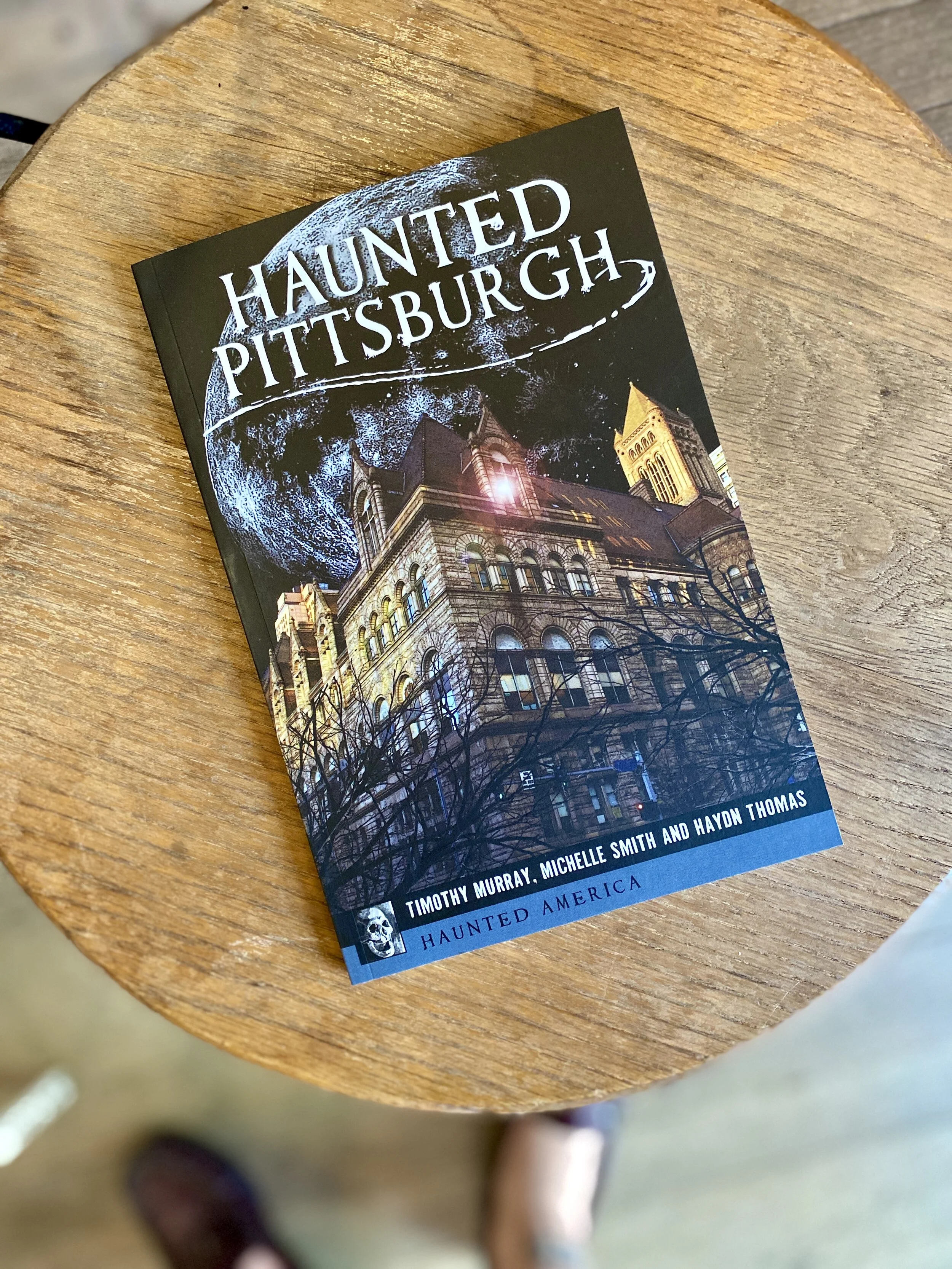
Arcadia Publishing
Founded amidst the bloodshed of the French and Indian War, Pittsburgh is haunted by the ghosts of its gritty and sometimes violent past. Many believe American industrialist Henry Clay Frick still inhabits Clayton, one of the last surviving homes on Millionaires' Row. The spirit of Kate Soffel lingers at the Allegheny County Jail, where she helped plot the escape of the Biddle brothers and fell in love in the process. The Duquesne Incline in 1877 employed teens disguised as ghosts to boost business. However, an authentic sinister entity is said to haunt the nearby Monongahela Incline without compensation. Join the Haunted Pittsburgh team as it explores ghostly encounters in the Steel City.
Tim Murray and Michelle Smith are local attorneys and co-owners of the Haunted Pittsburgh tour company. Historian Haydn Thomas serves as the company's principal ghost guide, and was dubbed as one of “Pittsburgh's ambassadors” by the Pittsburgh Post-Gazette.

Arcadia Publishing
Veteran journalist Len Barcousky shines a light on the hidden corners of Pittsburgh's history. When Mark Twain visited in 1884, he claimed to spy a little bit of hell in Pittsburgh's smoky appearance. Twain's observations are among the many riveting firsthand accounts and anecdotes to be found in the archives of the Pittsburgh Post-Gazette. The Great War hit home after the sinking of the Lusitania, which carried more than a dozen Pittsburgh residents. A few years later, cheering throngs of black and white residents lined downtown streets to welcome African American soldiers returning home from the conflict. The Ringling Brothers Circus held its last outdoor performance here in 1956 and left eight hundred show workers without jobs in the city.
Until his retirement in 2015, Len Barcousky had been a longtime editor and reporter at the Pittsburgh Post-Gazette, the oldest newspaper west of the Allegheny Mountains. He covered the city's history in his “Eyewitness” columns, and he received his BA from Penn State and MBA from Columbia University.
Arcadia Publishing
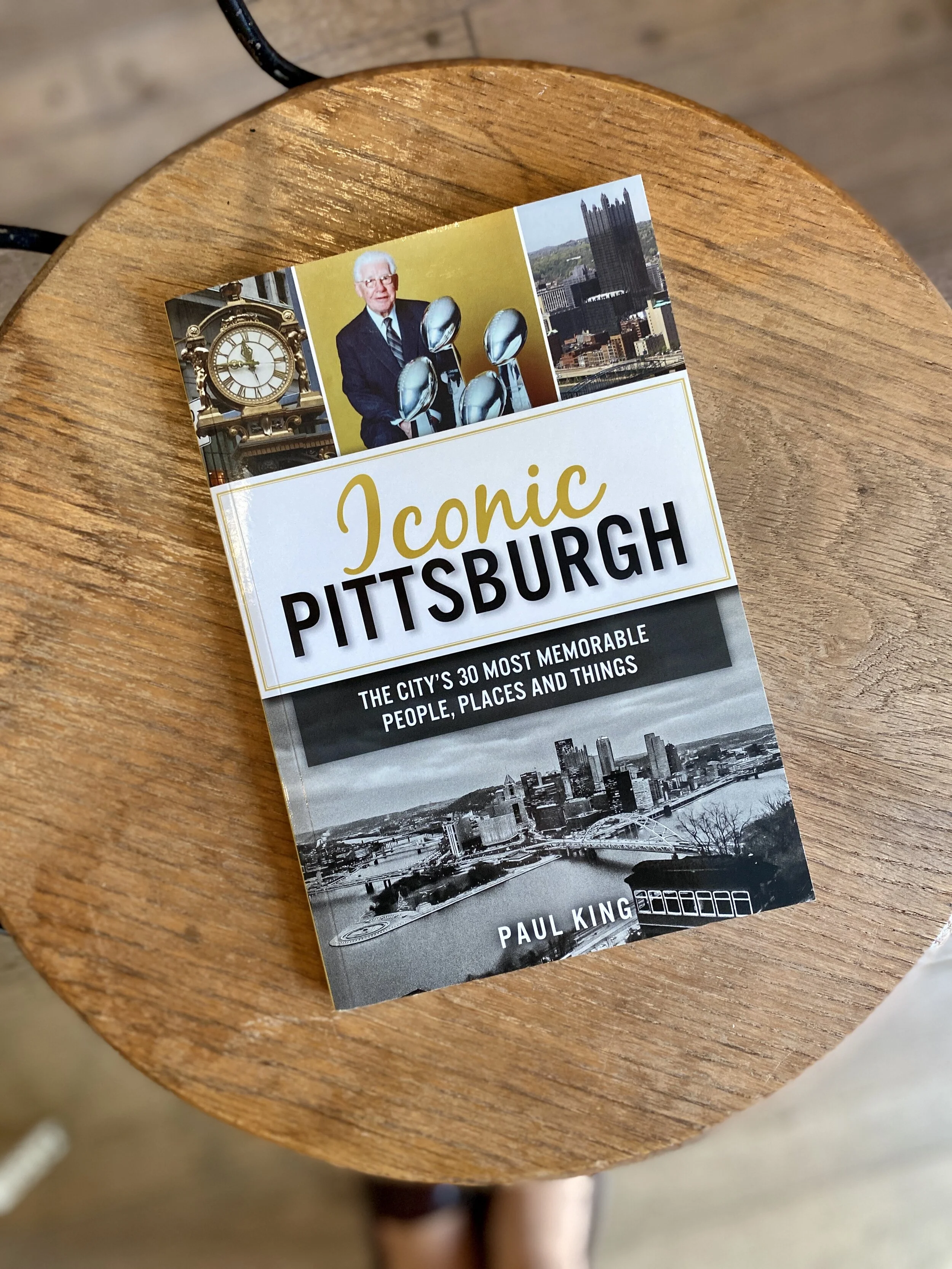
The Steel City has boasted some of the most famous figures, landmarks and innovations in the country’s history. Pittsburgh’s past is littered with dozens of fascinating stories behind the icons that define it. Mary Schenley was the city’s biggest benefactress of the nineteenth century, gifting the site of the 425-acre park in her name, but her fortune was almost lost when she eloped at the age of fifteen. The first ever call-in radio talk show began at famed KDKA in 1951, inspiring the birth of an entire industry. Mount Washington offers tourists sweeping views of the city today, but it once supplied coal to Pittsburghers and was the site of a sixteen-year underground mine fire. Author Paul King lists the best people, places and things of Pittsburgh’s grand history.
Paul King is a native of Pittsburgh, raised on Mount Washington with a grand view of the three rivers, Point State Park, the North Side and the downtown skyline. A graduate of Duquesne University, he has been a journalist for more than forty years. He currently lives in Winooski, Vermont, with his wife, Karen, but Pittsburgh will always be home.
Arcadia Publishing
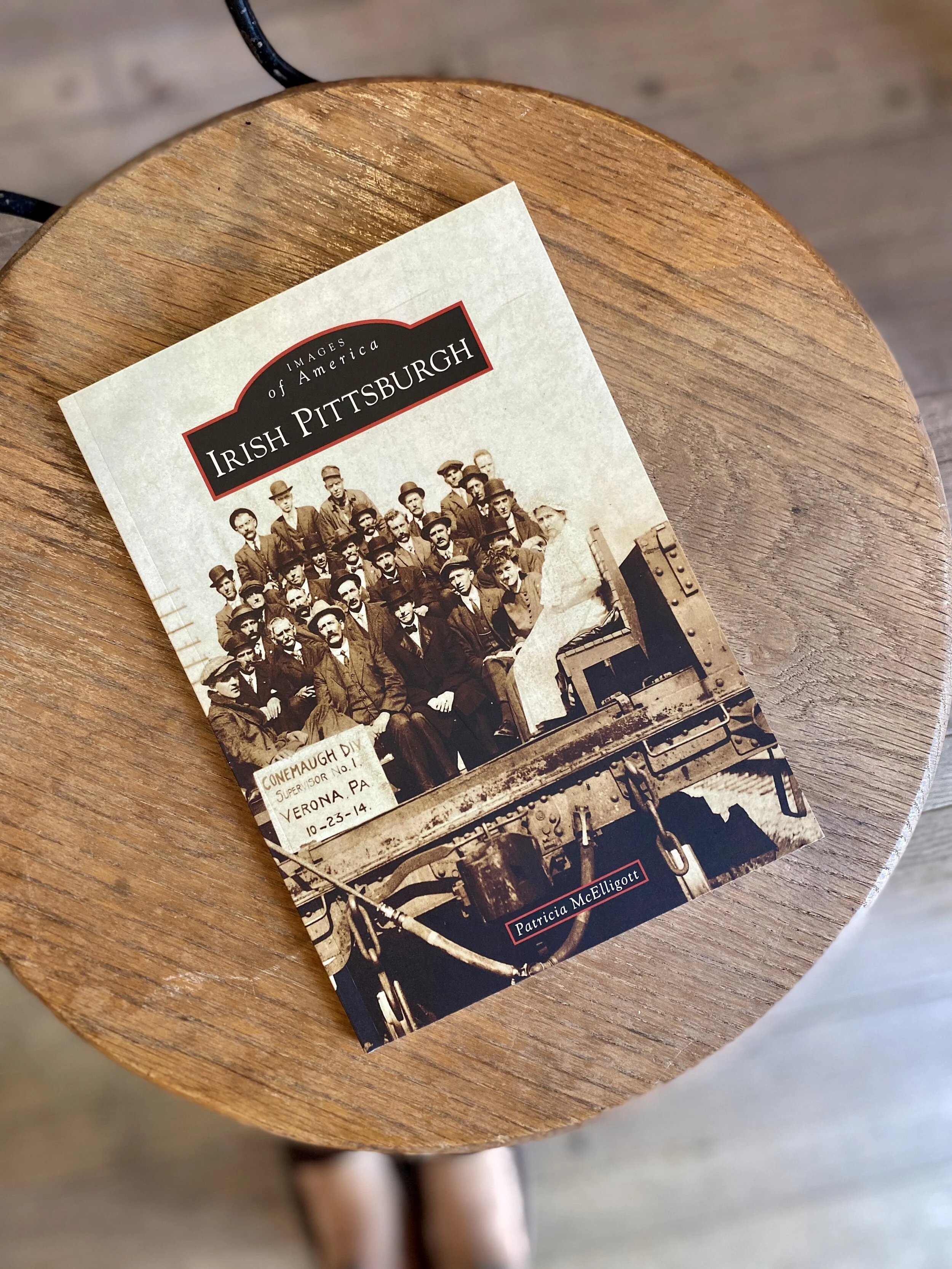
Many modern Irish Pittsburghers can trace their roots to immigrants fleeing an Ireland devastated by the Great Potato Famine of the mid-1800s. They migrated to Pittsburgh, a booming industrial town, and worked in the iron and steel mills, the mines, and the railroads. Irish women became domestic servants in such large numbers that "Bridget the Maid" was a stock character on stage and later in films. The immigrants settled in neighborhoods such as the Point, the Hill District, Homewood, and the North Side. Fighting anti-Irish and anti-Catholic sentiments, they paved the way for their children, who would dominate municipal politics and the Catholic Church and rise to surprising heights in sports, entertainment, and business. Gov. David L. Lawrence, dancer Gene Kelly, and boxing champion Billy Conn were three of these Irish Pittsburgh groundbreakers. Their success echoed the smaller, but equally significant, success of ordinary Pittsburghers who rose from poverty to middle class, from shantytown to "lace curtain" respectability in the neighborhoods and later in the suburbs of the city.
Patricia McElligott is a writer, Pittsburgh native, and a member of the Gaelic Arts Society. The images in Irish Pittsburgh were taken from the author's personal collection and generous donations from local institutions and private individuals.
Arcadia Publishing
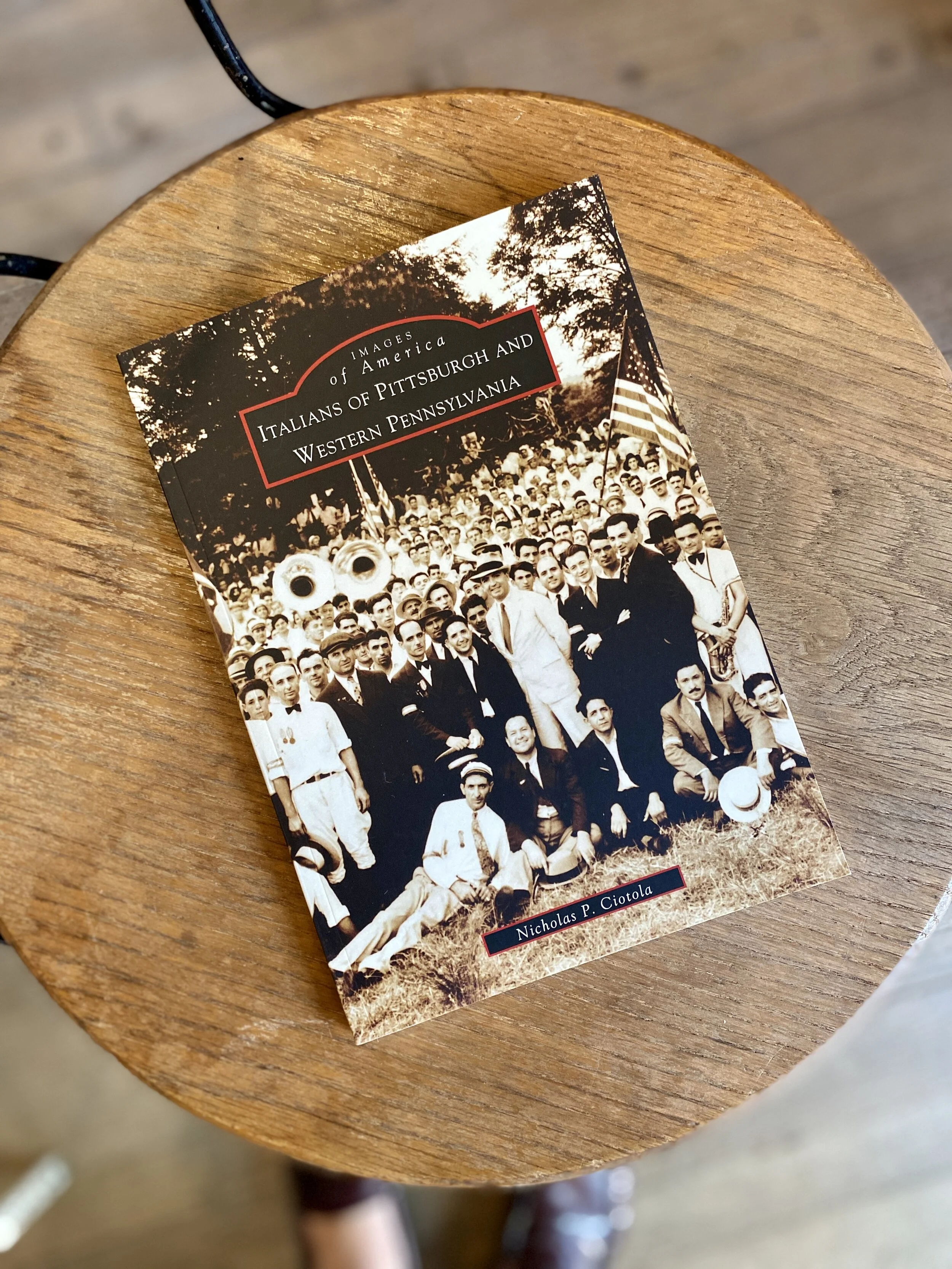
In 1930, one out of every six Pittsburgh residents was an immigrant. More came from Italy than from any other country in the world. Drawn by chain migration and the prospect of work in coal mines, steel mills, railroads, and other local industries, Italian immigrants contributed greatly to the growth and development of western Pennsylvania and endowed the region with a rich and vibrant ethnic culture that has endured to the present day. In this unprecedented volume, nearly two hundred photographs collected from Italian American families still living in the Pittsburgh region illustrate aspects of the Italian immigrant experience in western Pennsylvania, including work, community, leisure, religion, and family life. Italians of Pittsburgh and Western Pennsylvania tells the uplifting story of the work ethic that these pioneering immigrants brought to Pittsburgh and how they laid a solid foundation on which later generations could build and persevere.
Nicholas P. Ciotola is a curator at the Senator John Heinz Pittsburgh Regional History Center, director of the museum's Italian American Collection, and an adjunct faculty member at the University of Pittsburgh and Penn State McKeesport. He is the author of Italians in Albuquerque.
Arcadia Publishing
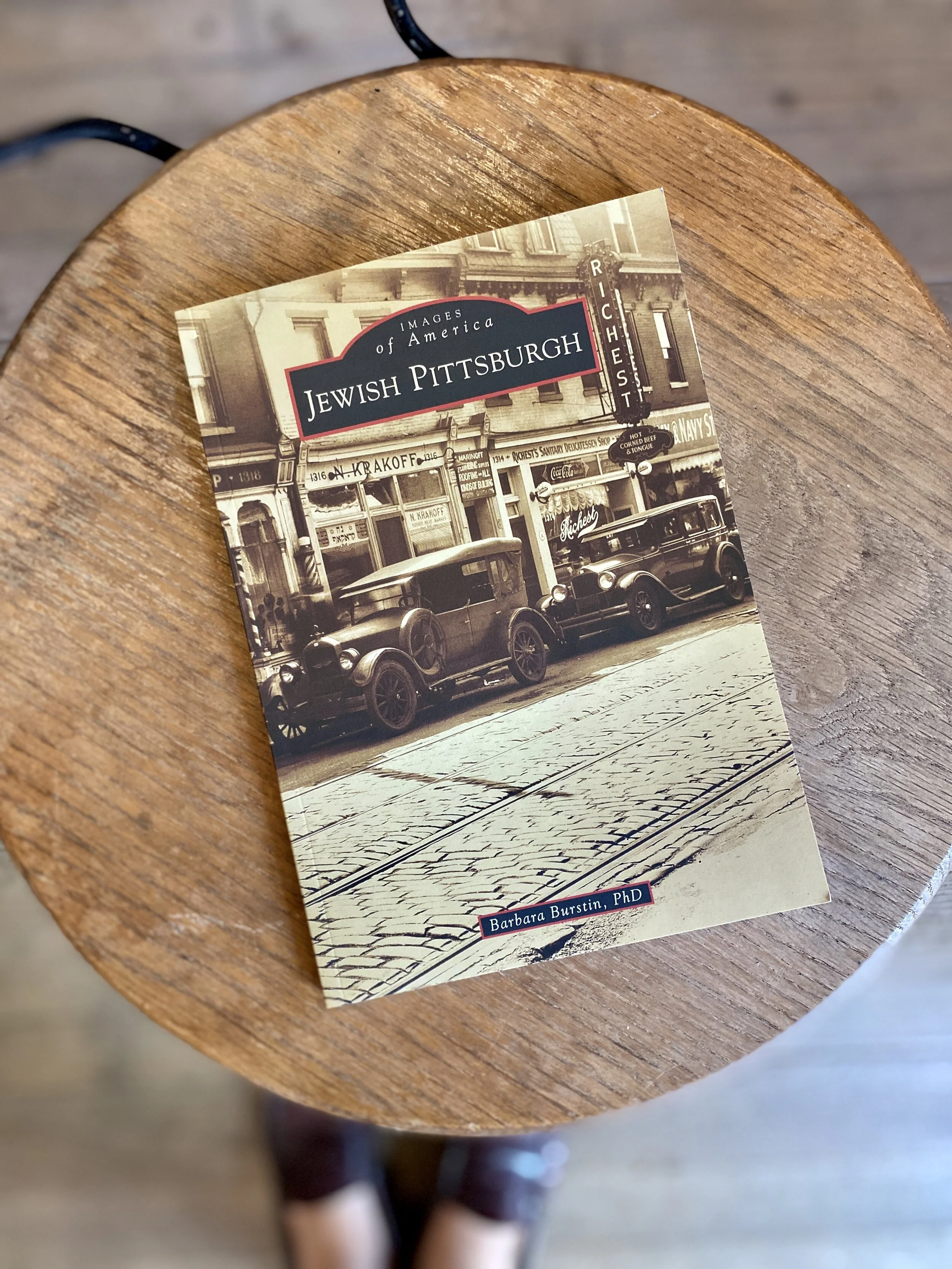
By the mid-19th century, Jews from German lands began settling in Pittsburgh, later to be followed by Jews from the Russian and Austro-Hungarian Empires and Romania. They founded businesses and organizations such as Giant Eagle, Kaufmann's Department Store, Montefiore Hospital, the Pittsburgh Playhouse, the Civic Light Opera, and the Pittsburgh Pirates. Sophie Masloff became the first woman and the first Jew to serve as mayor, and civic reformer and lawyer A. Leo Weil, philanthropist Leon Falk Jr., and social justice crusader Florence Reizenstein all had schools named after them. From Allegheny City and "the Hill" to Squirrel Hill and the East End, the Jewish population preserved its distinct core community and contributed to its adopted city in multiple ways. Today, it numbers more than 40,000, and their story is one of grit, determination, risk taking, hard knocks, and no small measure of success.
Barbara Burstin, PhD, is an author, teacher, and community leader. She has written several books, including Steel City Jews and the soon-to-be-published Steel City Jews in Prosperity, Depression and War. She produced A Jewish Legacy: Pittsburgh and has taught courses on the Pittsburgh Jewish experience and the Holocaust for many years at the University of Pittsburgh and Carnegie Mellon University. A longtime student of Pittsburgh Jewish history, she has also served on the Pittsburgh Human Relations Commission and chaired several organizations, including the Holocaust Commission, the Hillel-Jewish University Center, and the United Jewish Federation of Greater Pittsburgh. The images for this book are primarily from the Rauh Jewish Archives of the Heinz History Center and the University of Pittsburgh Archives Service Center.
Arcadia Publishing
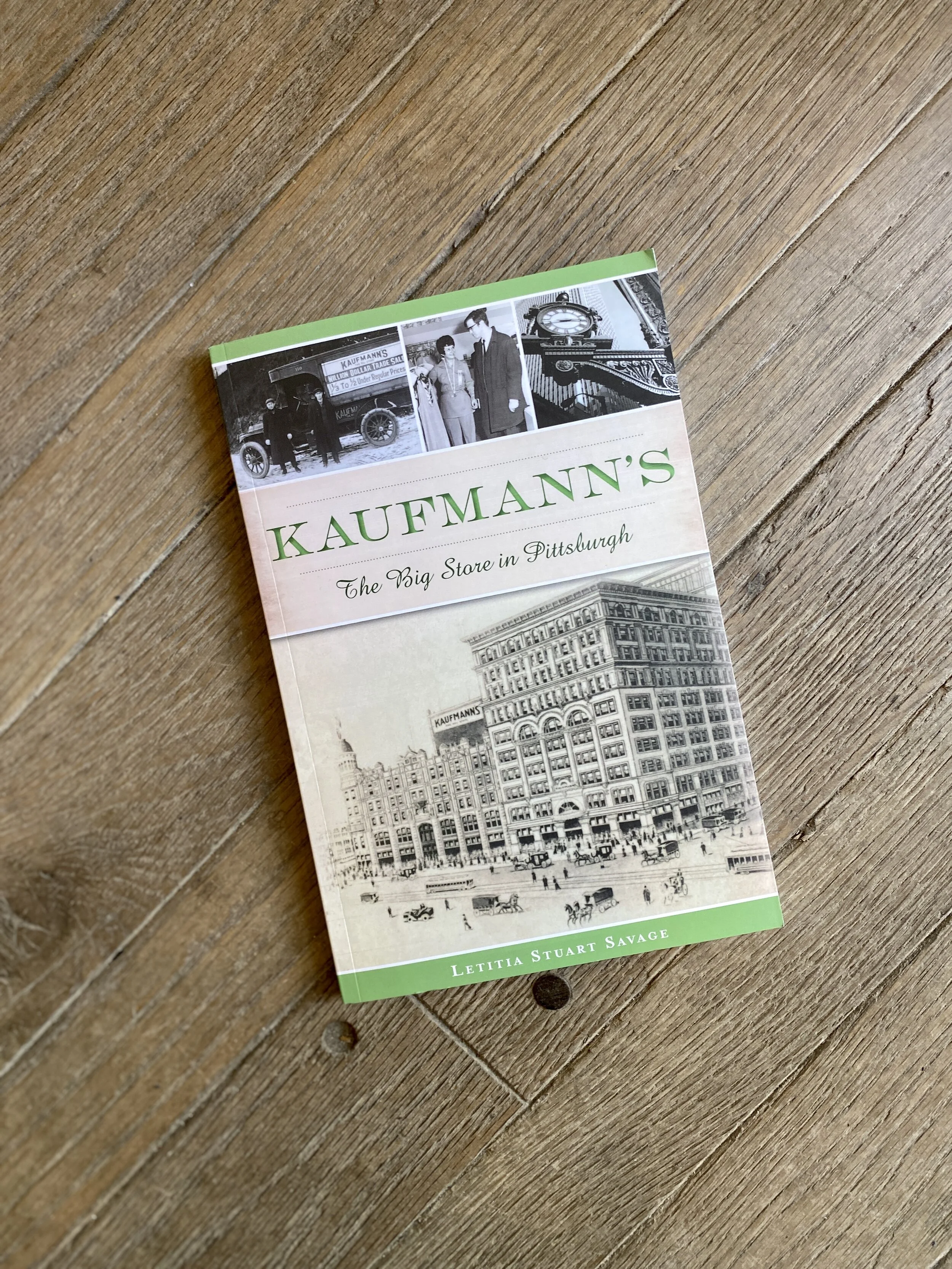
Join Letitia Stuart Savage on a journey to a time of leisurely shopping for the latest fashions complete with a side of Mile High Ice Cream Pie from the Tic Toc Restaurant. In 1871, Jacob and Isaac Kaufmann created a classic Pittsburgh institution. The business grew from a small store on the South Side to a mammoth clothing house downtown that outfitted the community. The removal of the original freestanding clock upset customers, so Kaufmann's added its iconic version in 1913. A redesign of the store's first floor attracted national attention in the 1930s. While most Pittsburghers remember and celebrate the downtown store, others recall the suburban branches - miniatures of the expansive flagship store.
Letitia Stuart Savage is a freelance writer who has contributed to local and national publications including Country Journal, Kitchen Garden, Dog Fancy and The Chronicle of the Horse. She earned a BS in biology and established environmental education programs in several Allegheny County parks before becoming an environmental consultant. In the past, she has contributed history articles to Pennsylvania Heritage.
Arcadia Publishing
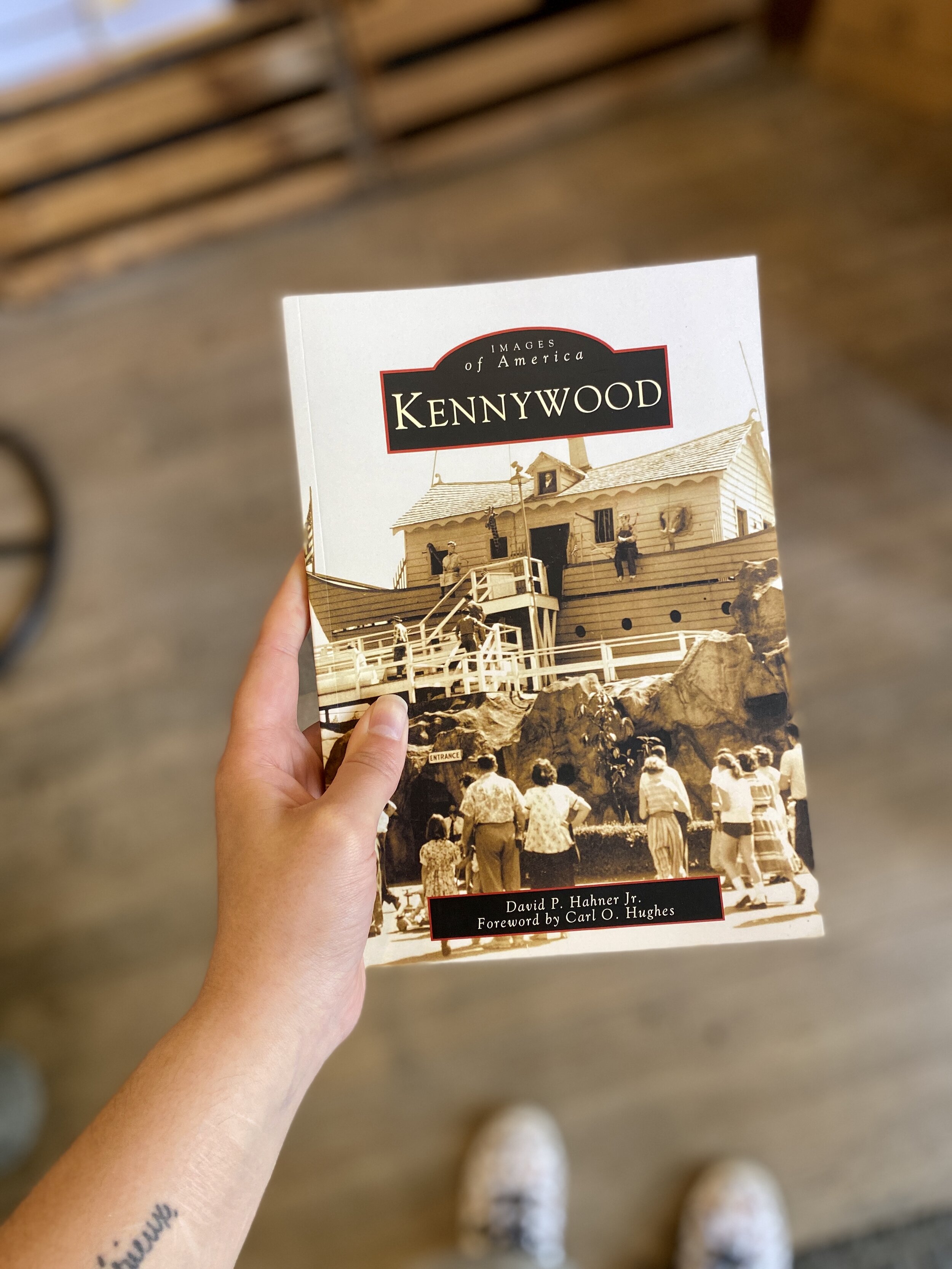
Explore the riveting story behind what is considered America's best traditional amusement park, Kennywood. For more than a century, Kennywood has been the Pittsburgh area's playground. Founded in 1898 at the terminus of the Monongahela Street Railway trolley line, the park quickly grew into a favorite summertime destination. Kennywood is unique in that it is one of the country's few successful trolley parks. In 1987, Kennywood was designated a National Historic Landmark and is known today as America's Finest Traditional Amusement Park. Many unique rides and attractions have distinguished Kennywood over the years. Some old favorites, such as the Rockets, Laff in the Dark, Ghost Ship, and Skooters, are long gone. Others, such as the Old Mill, Noah's Ark, Auto Race, Turtle, Whip, and Grand Carousel, still entertain guests today. Kennywood is perhaps best known for its impressive collection of roller coasters, from earlier coasters such as the Figure Eight, Speed-O-Plane, and Pippin to the Racer, Jack Rabbit, Thunderbolt, and Phantom's Revenge coasters that still thrill riders today.
David P. Hahner Jr. is an avid amusement park and roller coaster enthusiast and has been a lifelong fan of Kennywood. He grew up within two miles of the park and worked summers there while studying at the University of Pittsburgh. He has been an active member of the American Coaster Enthusiasts since 1980 and is a member of the National Amusement Park Historical Association and the Darkride and Funhouse Enthusiasts. Carl O. Hughes is the chairman emeritus of Kennywood Entertainment. In 1990, he became the first living member elected to the Amusement Industry Hall of Fame.
Arcadia Publishing
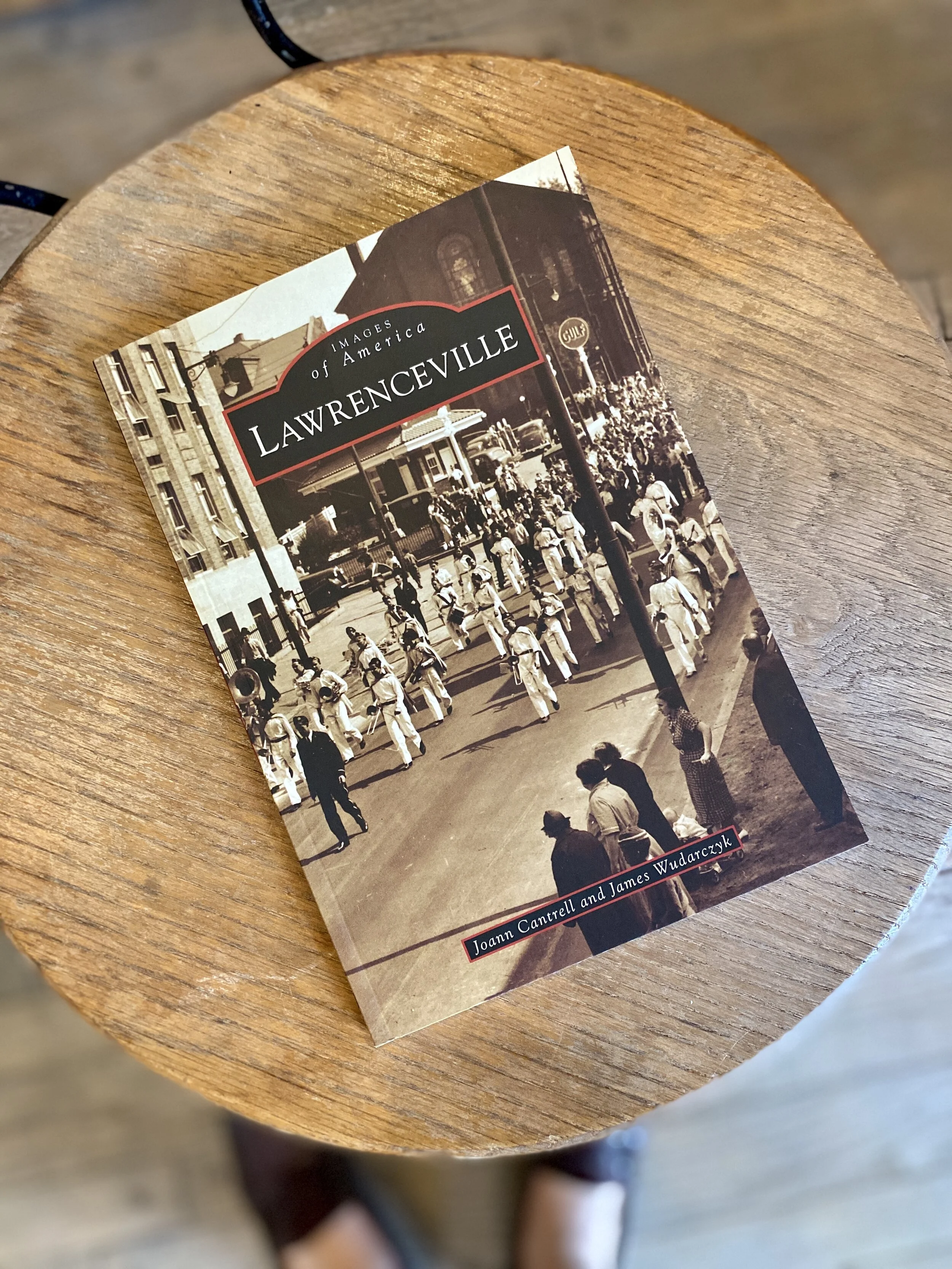
From its founding in 1814 by William Barclay Foster, Lawrenceville has been the center of historic events. During the Civil War, the riverside community became home to the Allegheny Arsenal, where 78 people perished in an explosion in 1862, making it the worst civilian disaster of the war. Lawrenceville evolved into a lively, walkable neighborhood that barely slept because of the high volume of shift workers at places such as Iron City Brewery, St. Francis Hospital, and the steel mills. Businesses, churches, all-night diners, and other gathering places were easily accessible to residents, and families became closely associated with the landmarks where they worked, worshipped, and socialized. Having celebrated its 200th birthday in 2014, Lawrenceville remains a bustling community with a vitality equal to that of the immigrant days, and it continues to be a place of camaraderie where individuals are dedicated to their neighborhood.
Human interest writer Joann Cantrell and local historian James Wudarczyk combined their talents and shared passion for Lawrenceville by researching and documenting the community's rich history. Working with the Lawrenceville Historical Society and individuals who shared personal photographs, the authors present a mosaic of images to preserve the heart and soul of a beloved Pittsburgh neighborhood.
Arcadia Publishing
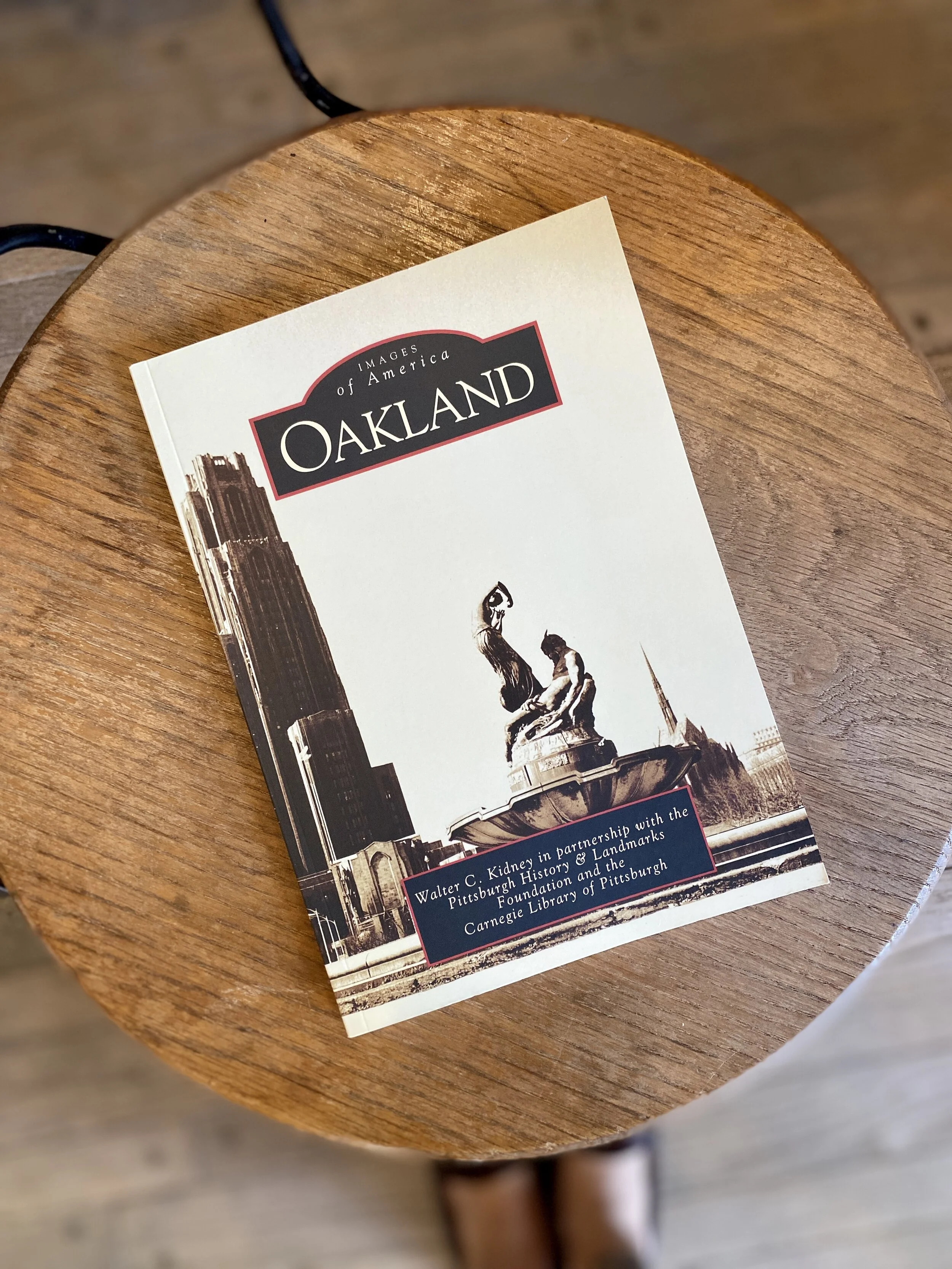
Oakland, located two miles east of downtown Pittsburgh, is a place where people have gone to enjoy rustic tranquility, culture, socialization, entertainment, and education. Through more than 150 years, much has changed in this neighborhood. Where children once caught crayfish, a fantastic skyscraper rose, a Greek Revival villa yielded to a hospital, a trolley barn turned into a sports arena, a fountain was created on a buried bridge, and a hillside cow pasture became a university campus. Bit by bit, this municipal showplace came into being through an attempt to improve the Smoky City by establishing a sprawling museum complex, a vast park, universities, clubhouses, auditoriums, a glamourous hotel, apartments, and a model neighborhood of houses.
Walter C. Kidney, one of Pittsburgh's preeminent writers, is an architectural historian with the Pittsburgh History & Landmarks Foundation. Historical images reproduced here are from various institutions and individuals, including the Carnegie Library of Pittsburgh, which partnered with the author and the foundation for this publication.
Arcadia Publishing
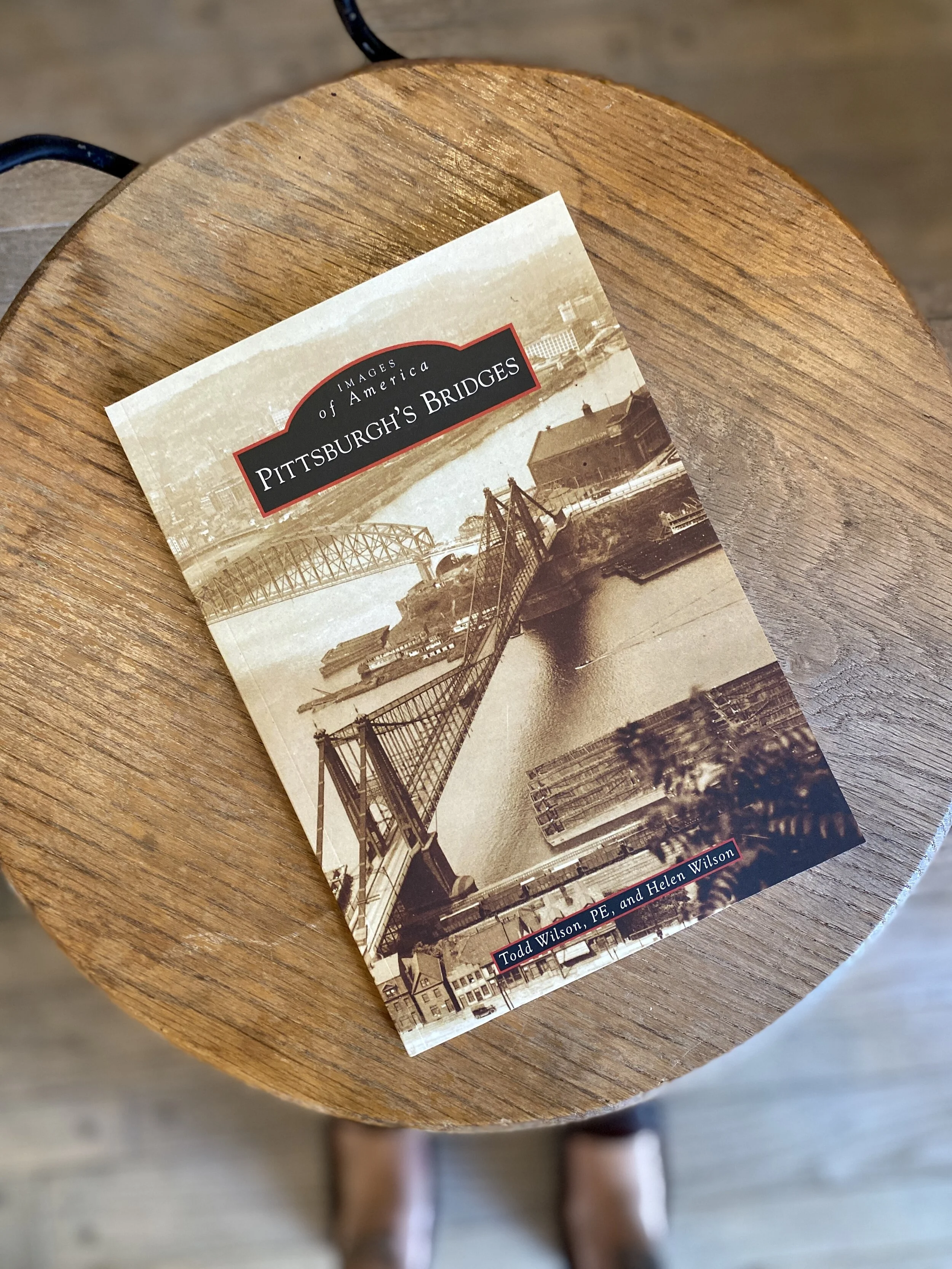
Pittsburgh's Bridges takes a comprehensive look at the design, construction, and, sometimes, demolition of the bridges that shaped Pittsburgh, ranging from the covered bridges of yesterday to those that define the skyline today. Pittsburgh is the "City of Bridges," and what remarkable bridges they are! The area's challenging topography of deep ravines and mighty rivers - the Monongahela, Allegheny, and Ohio - set the stage for engineers, architects, and contractors to conquer the terrain with a variety of distinctive spans. Many were designed to be beautiful as well as functional. While other cities may have one signature bridge, Pittsburgh has such a wide variety that no single bridge can represent it.
Todd Wilson is an award-winning professional engineer in Pittsburgh who has been photographing and writing about bridges his whole life. He graduated from Carnegie Mellon University with a double major in civil engineering and engineering and public policy. He serves as a trustee of Pittsburgh History & Landmarks Foundation. Helen Wilson, a graduate of Carlow University, worked as a teacher, editor, and writer for the Pittsburgh Public Schools. She is a historical researcher and writer and vice president of the Squirrel Hill Historical Society in Pittsburgh.

Arcadia Publishing
Pittsburgh's drinking culture is a story of its people: vibrant, hardworking and innovative. During Prohibition, the Hill District became a center of jazz, speakeasies and creative cocktails. In the following decades, a group of Cuban bartenders brought the nightlife of Havana to a robust café culture along Diamond Street. Disco clubs gripped the city in the 1970s, and a music-centered nightlife began to grow in Oakland with such clubs as the Electric Banana. Today, pioneering mixologists are forging a new and exciting bar revival in the South Side and throughout the city. Pull up a stool and join Cody McDevitt and Sean Enright as they trace the history of Steel City drinking, along with a host of delicious cocktail recipes.
Cody McDevitt is an award-winning journalist who works full time for the Somerset Daily American. His work has appeared in the Pittsburgh Post-Gazette, Table Magazine and Pittsburgh Quarterly. Sean Enright is one of the founding fathers of the craft cocktail movement in Pittsburgh. He has managed many of Pittsburgh's most prestigious restaurants and helped found the Pittsburgh Chapter of the United States Bartenders' Guild. Sean has also been active in the Pittsburgh art community, where he produced a literary art magazine called yawp.
Arcadia Publishing
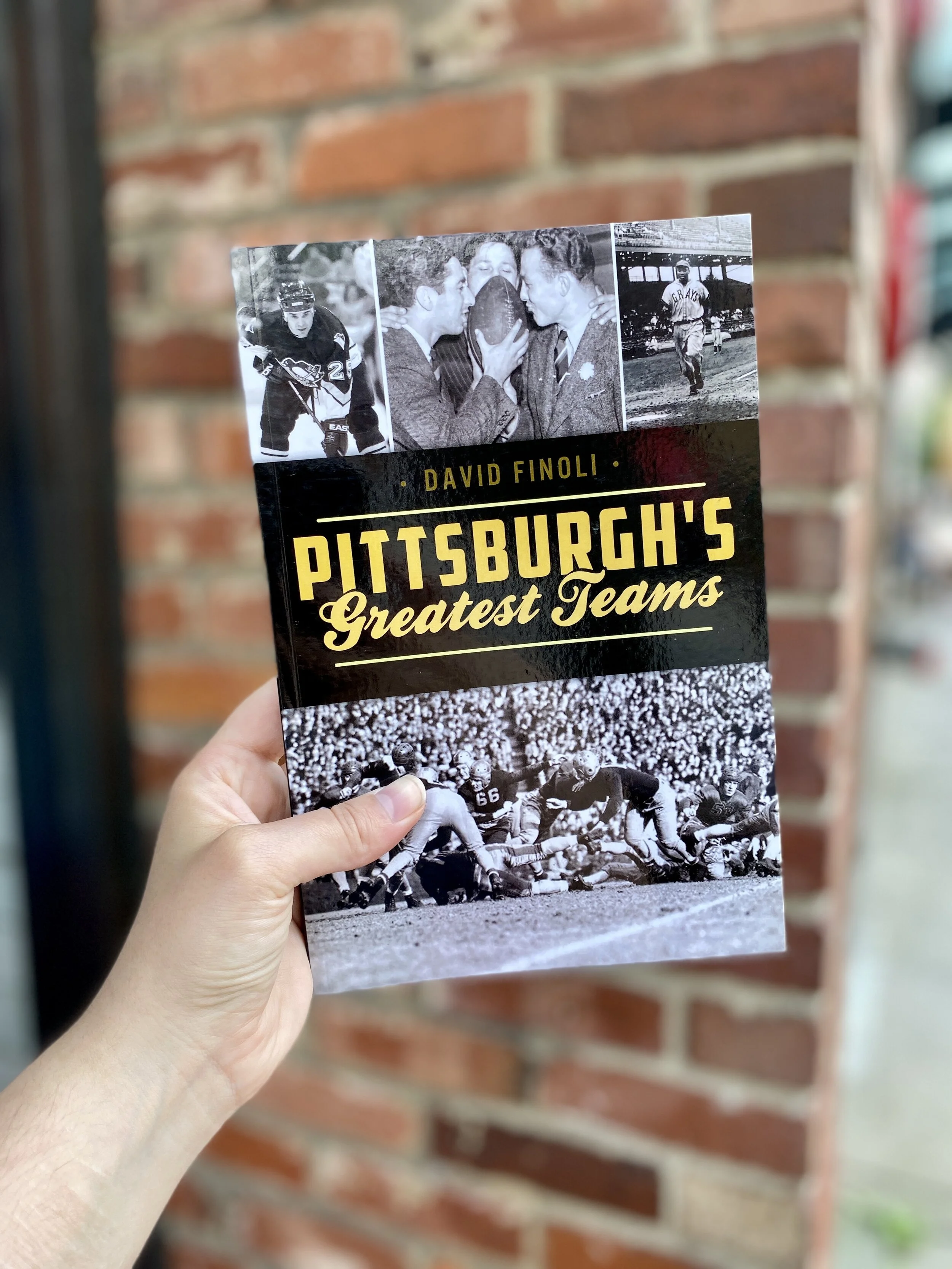
Pittsburgh is synonymous with winning. From the Penguins and Steelers to the Pirates and Panthers, the Steel City knows championships. The Negro League's Crawford and Homestead Grays are too often overlooked in the city's sports history but were as talented as any team that has played there. Names such as Lemieux, Crosby, Roethlisberger, Bradshaw, Clemente and Stargell are legends of American sport and members of Pittsburgh's most cherished franchises. The 1970s Steelers were known as the Steel Curtain. The Penguins have raised the Stanley Cup five times. Author Dave Finoli ranks the fifty greatest teams that won trophies, brought glory and lifted the hearts of Pittsburgh's devoted sports fans.
David Finoli is an author and sports historian who has written numerous titles on the history of sports in western Pennsylvania. He has written five other titles for Arcadia Publishing, including Forbes Field and The Pittsburgh Pirates for the Images of America and Images of Baseball series. He also is a contributor to various books, magazines and sports websites. He lives in Monroeville with his family.
Arcadia Publishing
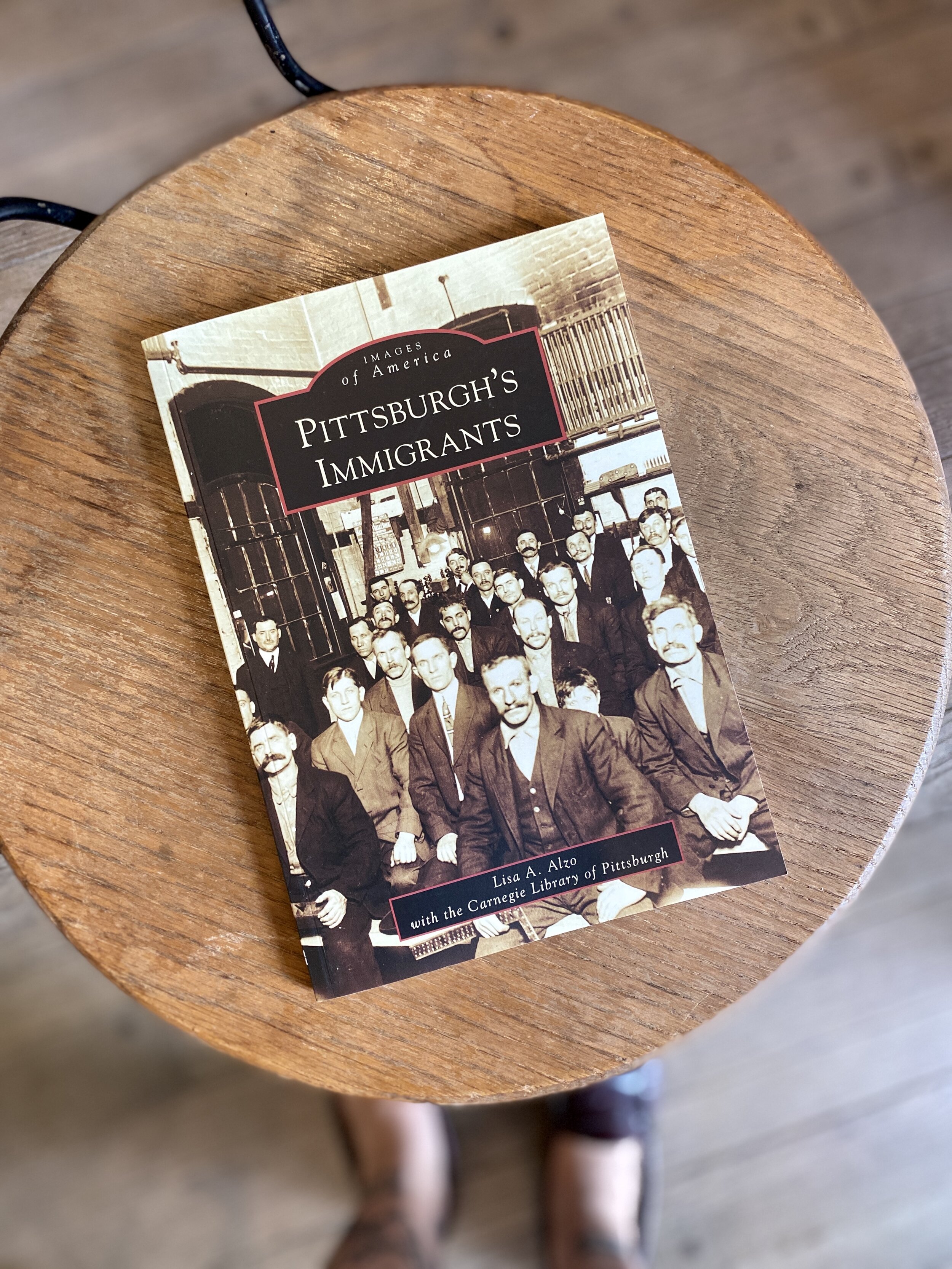
Since the mid-1700s, Pittsburgh has welcomed generations of immigrants. This region in southwestern Pennsylvania was once a magnet for European immigrants who carved out livings in steel, iron, glass, and other factories along its famous three rivers. Those immigrants built the city's ethnic neighborhoods: the Irish North Side, the Polish South Side, the Italian Bloomfield, as well as other immigrant enclaves in smaller cities and towns in the surrounding areas. The diversity of Pittsburgh's neighborhoods symbolizes a city truly rich in history and culture. Many notable Pittsburghers in business, the arts and entertainment, and sports were either immigrants themselves or children of immigrants. Pittsburgh's Immigrants pays tribute to the hardworking men and women who made significant contributions to the growth and development of western Pennsylvania and left a legacy of rich and vibrant ethnic culture that endures to the present day.
Lisa A. Alzo, a native of Pittsburgh, is a freelance writer, instructor, and lecturer. She is also a published author of books and magazine articles related to immigrant history. For Pittsburgh's Immigrants, Alzo partnered with the Carnegie Library of Pittsburgh, which serves the dynamic and diverse needs of people living in western Pennsylvania.
Arcadia Publishing
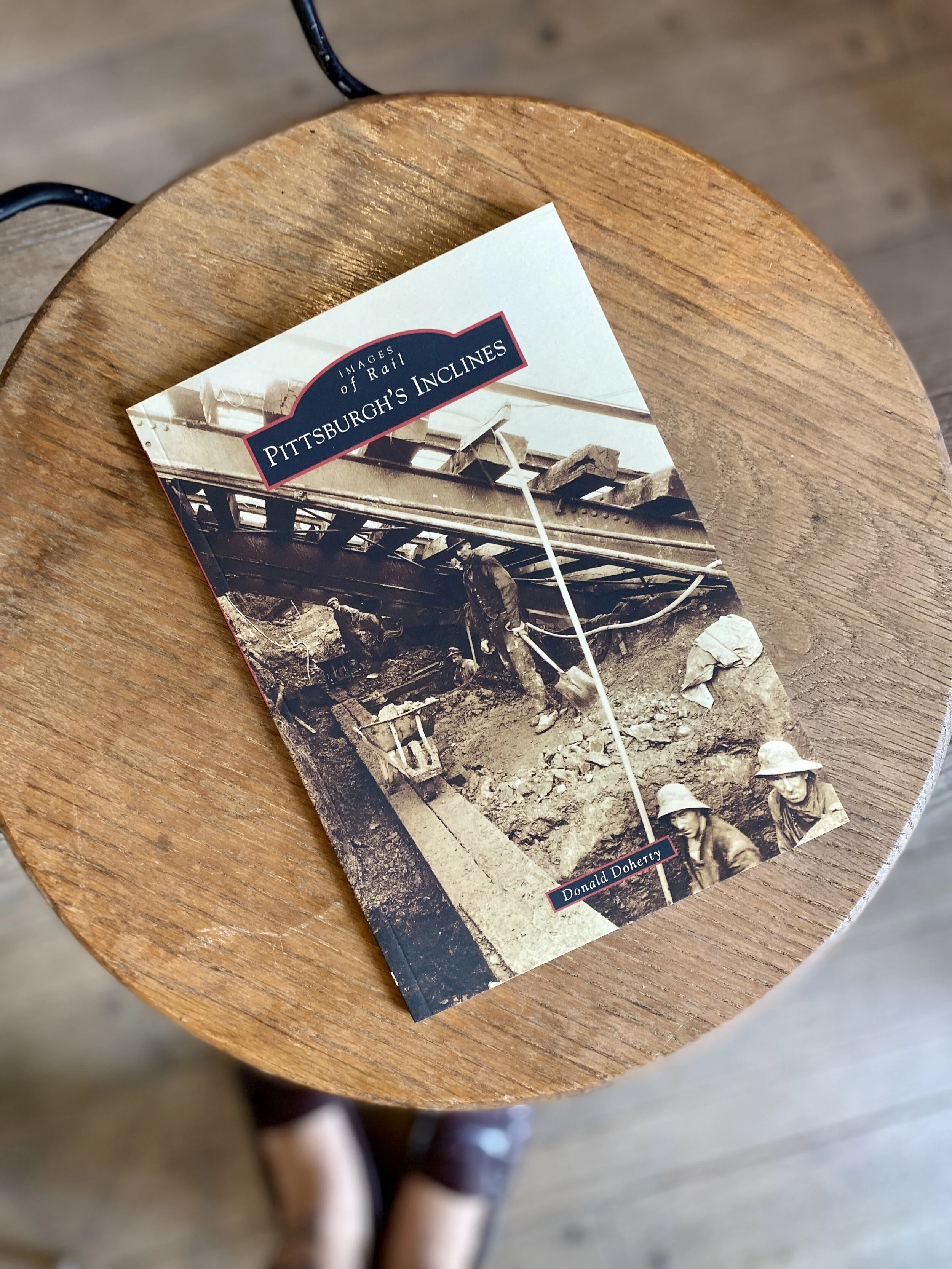
Offering a panoramic view of present-day Pittsburgh, Monongahela and Duquesne Inclines attract pedestrians traveling from the river's shore to the top of Mount Washington. These inclines were completed in 1870 and 1877 by real estate speculators hoping to capitalize on undeveloped land at the top of "Coal Hill," a name given due to its many coal mines. Housing in the valleys and other low-lying areas could not accommodate the influx of new residents following the Civil War. Using technology perfected to haul coal from mines, the region's first inclined railroads, or funiculars, carried people and goods and formed a part of the Allegheny Portage Railroad. By 1900, inclines were an integral part of the city's identity. During the early decades of the 20th century, however, automobiles and trucks made access to Pittsburgh's hilltops relatively easy. Before the automobile, there were at least 15 inclines in Pittsburgh. Today, there are two: the Monongahela and Duquesne Inclines.
Donald Doherty, a Pittsburgh historian, also authored Images of America: Pittsburgh's Shadyside. Images for this work were selected from the Senator John Heinz History Center Library and Archives, the Archives Service Center and Digital Research Library at the University of Pittsburgh, and private collections.

Arcadia Publishing
Pittsburgh Jazz documents the almost forgotten magic created in the city of Pittsburgh by a host of artists, uptown inner city streets, and jazz joints that served patrons from a menu packed full of delightful music. The magical improvised songs, compositions, and unique styles of hundreds of those who were born, raised, or influenced by what occurred in the smoke filled clubs, bars, restaurants, and theaters is difficult to comprehend. And yet, every jazz artist in the world was attracted here to "stand the test" waiting in the Steel City. This book is committed to connecting Pittsburghstyle jazz as the synthesis that resulted in the art form called bebop. This photographic presentation was captured by Pittsburgh Courier photographers between the 1930s and 1980s.
John M. Brewer Jr. is a historian and consultant for the Pittsburgh Courier archive project, consultant for the Carnegie Museum of Art's Charles “Teenie” Harris photograph project, and the curator and founder of the Trolley Station Oral History Center in Pittsburgh.
Arcadia Publishing
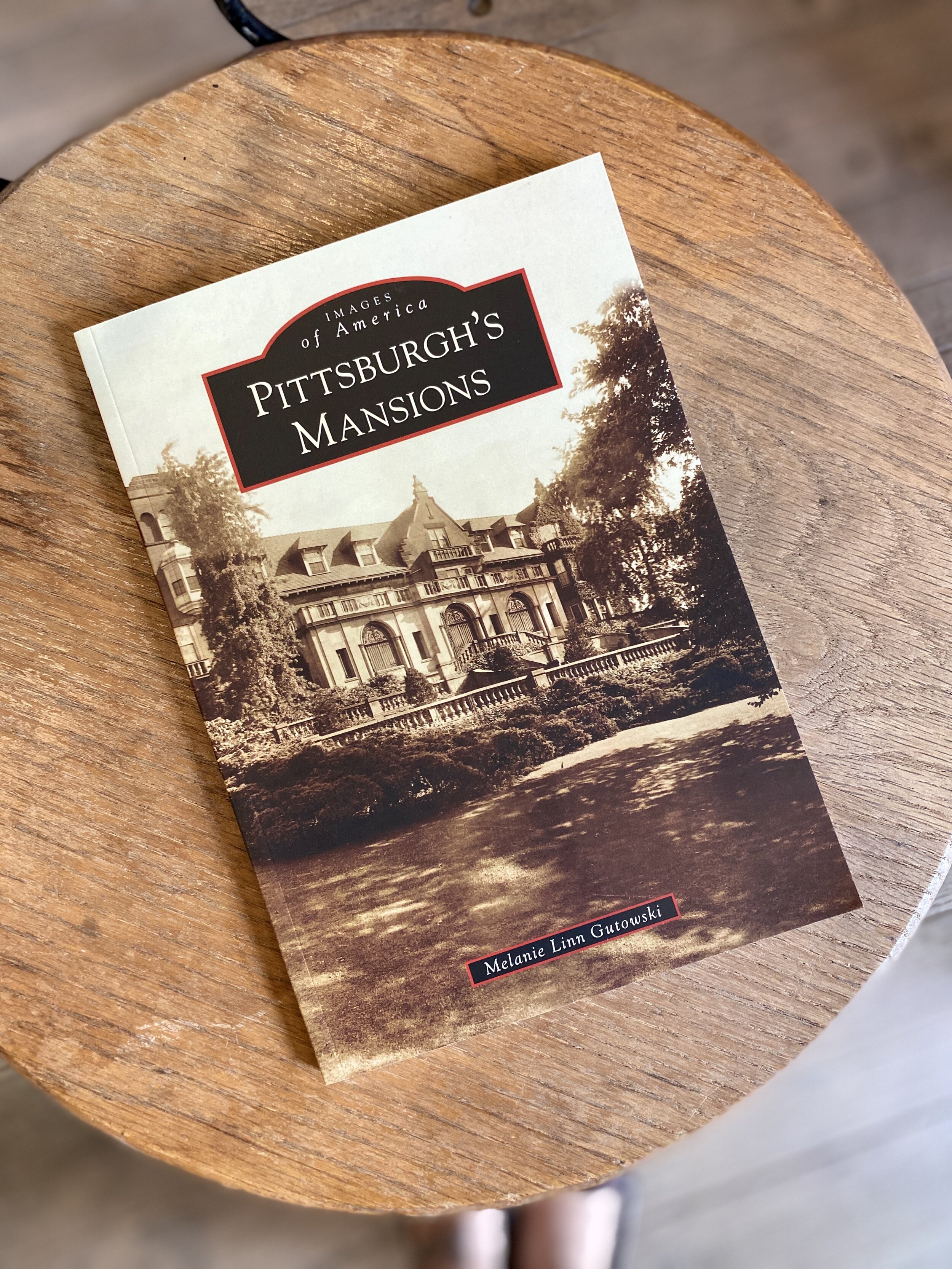
A collection of images celebrating the extravagant and historic mansions of Pittsburgh, PA. In the 19th century, the positioning of Pittsburgh as a major manufacturing center and the subsequent rise of the area's steel industry created a wave of prosperity that prompted the beneficiaries of that wealth to construct extravagant residences. Wealthy enclaves sprang up in the city's East End, across the river in neighboring Allegheny City, and into the countryside. Pittsburgh's Mansions explores the stately homes of the area's prominent residents from the 1830s through the 1920s. Businessmen such as H.J. Heinz, Henry Clay Frick, and members of the Mellon family commissioned elaborate homes from the preeminent architects of their day. Firms such as Alden & Harlow, Janssen & Abbott, and Rutan & Russell left their marks on the city's landscape, often contributing iconic public buildings as well as expansive private homes. Though many of the residences have since been lost, Pittsburgh's Mansions offers a look back at the peak of the city's prominence.
Melanie Linn Gutowski is a writer, historian, and lifelong resident of the Pittsburgh area. She has published history features in various western Pennsylvania and national publications and holds a bachelor's degree in history of art and architecture and a master's degree in professional writing.
Arcadia Publishing
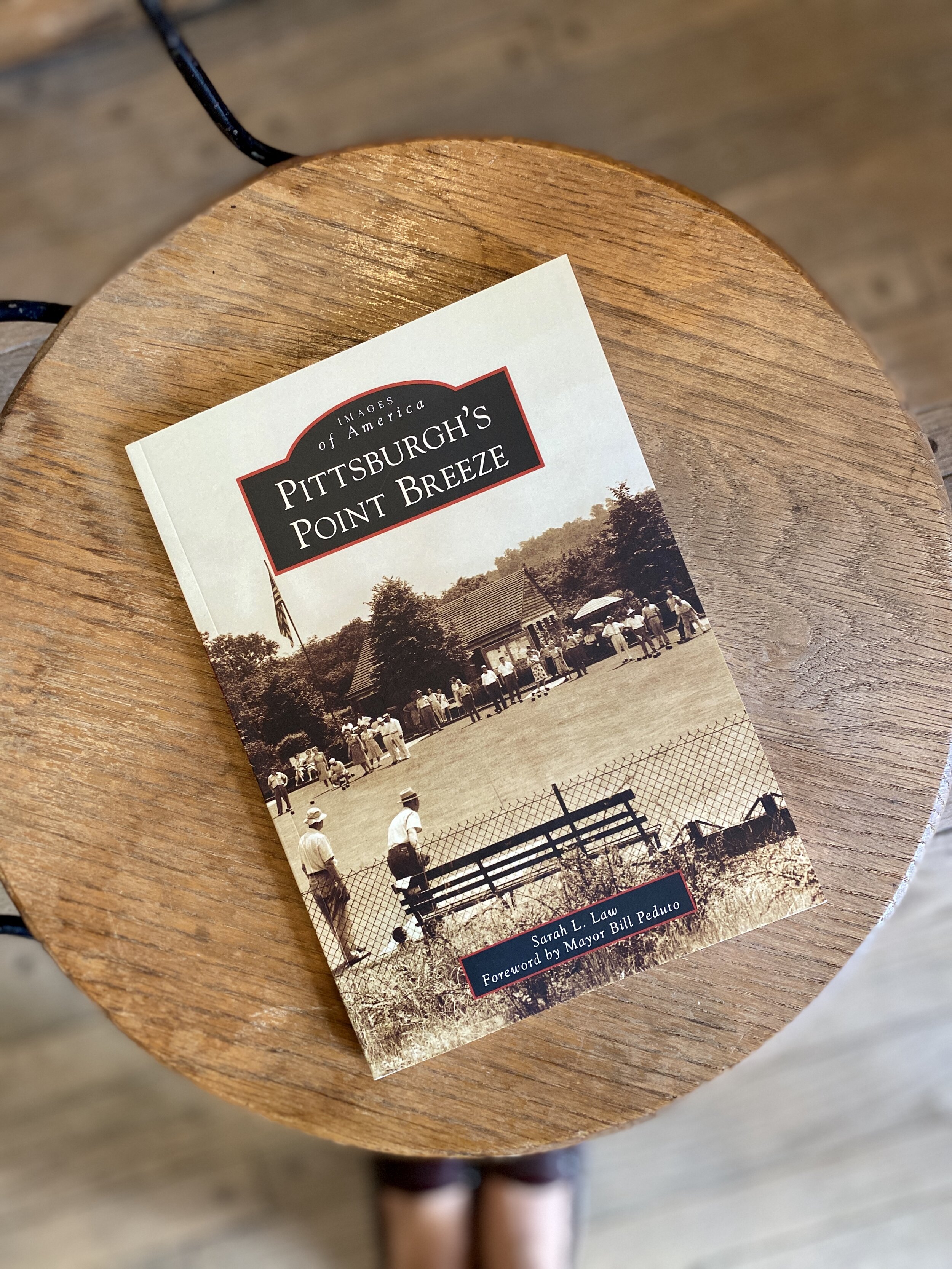
Named for the famous early-19th-century Point Breeze Hotel that stood at the corner of what is now Fifth and Penn Avenues, Point Breeze has been home to some of the wealthiest families in Pittsburgh and the country. Moguls such as Carnegie, Westinghouse, Frick, Mellon, and Thaw all resided in Point Breeze, thus christened "Pittsburgh's Most Opulent Neighborhood." H.J. Heinz owned the first car in Pittsburgh, which was garaged at his estate in North Point Breeze, and present-day Wilkins Avenue was originally the private road to the 650-acre estate of senator, ambassador to Russia, and judge William Wilkins. However, many of these prestigious estates were later razed and divided to become smaller residential lots, driving the real estate market to create more homes to accommodate 20th-century families. In later years, the Point Breeze neighborhood became the home of several well-known authors, including Annie Dillard, Albert French, and David McCullough, as well as professional athletes Willie Stargell of the Pirates and L.C. Greenwood of the Steelers and everyone's favorite neighbor, Mr. Rogers.
Sarah L. Law has been a Point Breeze resident for over a decade. A member of the Frick Art & Historical Center and an alumna of Carnegie Mellon University, she is indebted to the vast archival collections, personal interviews, and cherished individual photographs used to compile this heartfelt snapshot of Pittsburgh's Point Breeze. Pittsburgh mayor Bill Peduto has also graciously contributed a foreword to the book.
Arcadia Publishing
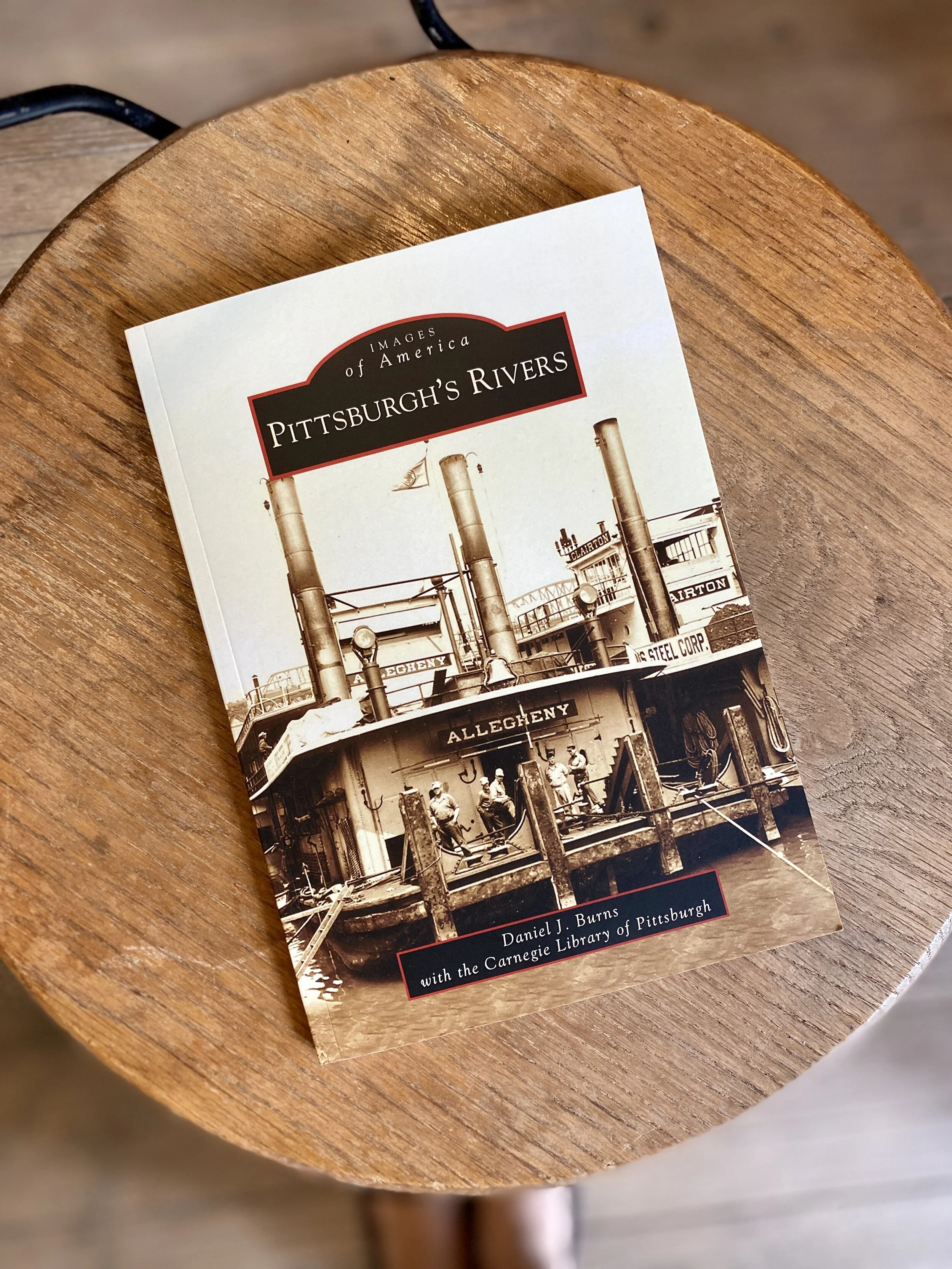
For centuries, the land at the forks of the Ohio River was known to the Native Americans of western Pennsylvania, but it was not until 1753 that a British officer named George Washington surveyed the area for Gov. Robert Dinwiddie of Virginia. He described the land as well timbered and convenient for building, and with that, the first community at the site of modern-day Pittsburgh was established. Over the next two and a half centuries, Pittsburgh changed from a small settlement in the Pennsylvania wilderness to a city that has flourished because of, and continues to be identified by, its surrounding rivers. The Allegheny, the Ohio, and the Monongahela Rivers have played an inimitable role in the industrial growth of America as they have provided for the movement of coal, lumber, and steel to the Pittsburgh region and beyond. Pittsburgh's Rivers highlights the immeasurable contributions these three rivershave made to the area both economically and socially.
Daniel J. Burns, president of the Mifflin Township Historical Society, is a police officer and a freelance writer. He is the author of Duquesne and Bedford and Its Neighbors. For Pitsburgh's Rivers, Burns partnered with the Carnegie Library of Pittsburgh, which serves the dynamic and diverse needs of people living in western Pennsylvania.
Arcadia Publishing
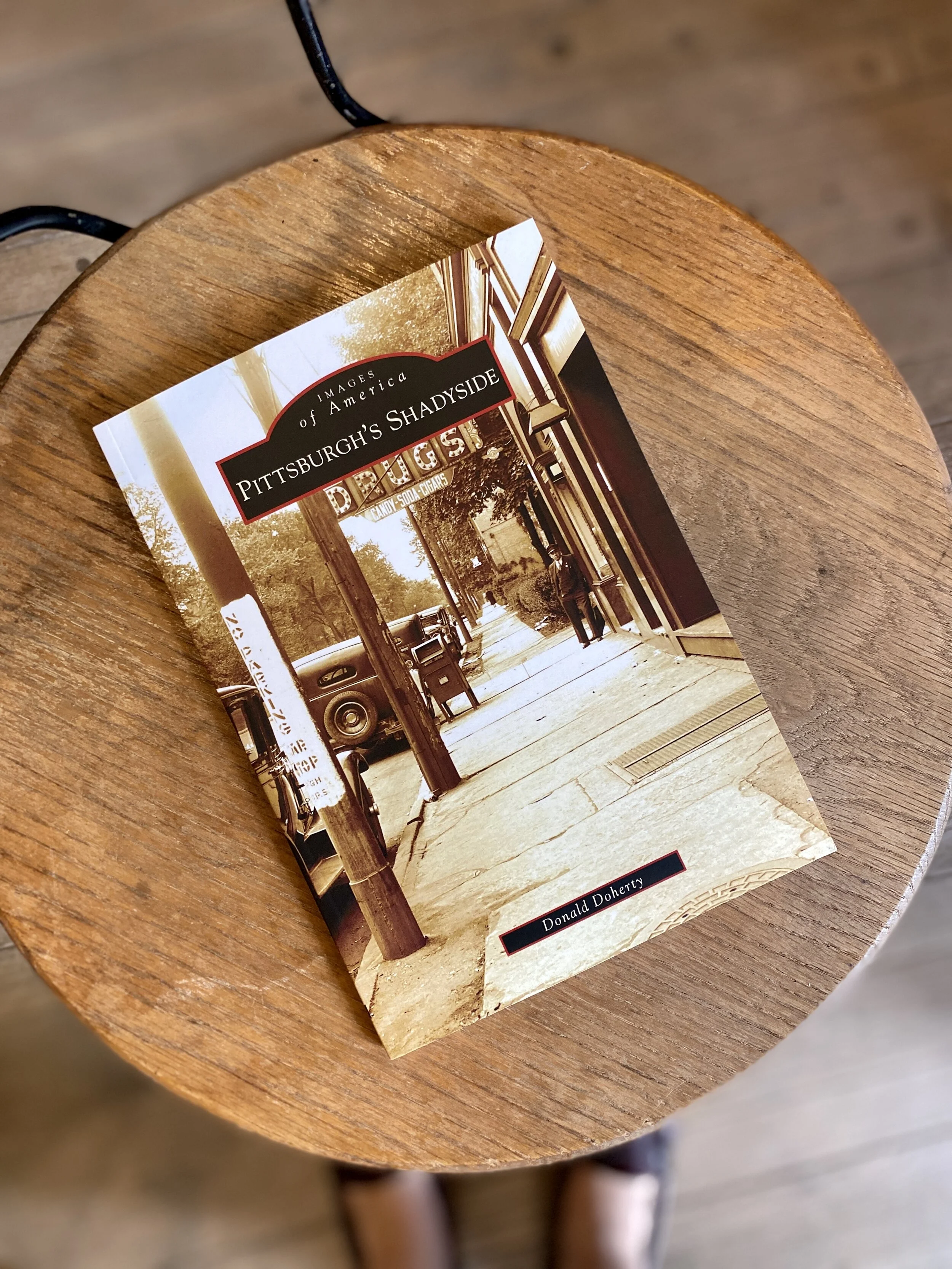
The suburb of Shadyside was established in the middle of farmland during the late 1860s when the Shadyside train station opened. As Pittsburgh grew into the world's preeminent industrial city, Shadyside became the home of many influential men of the industrial age. Rapid change struck Shadyside early in the 20th century when commerce sprouted up around the perimeter of the neighborhood to cater to the residents' demand for luxury goods and services. Within another decade industry moved in, especially close to the train tracks, and in 1915, the Ford Motor Company assembly plant opened in Shadyside. Through more than 200 vintage photographs, Pittsburgh's Shadyside chronicles the personalities, places, institutions, and events that transformed a farming community into an affluent industrial-age suburb and diverse city neighborhood.
Donald Doherty is the founding chair of the Historic Shadyside Committee of the Shadyside Action Coalition. These historic images have been selected from the Senator John Heinz History Center Library and Archives, the Archives Service Center and Digital Research Library at the University of Pittsburgh, and private collections.
Souvenirs

Positively Pittsburgh
Add a little piece of Pittsburgh to your cooking routine with this wooden cutting board. Featuring a wood-burned image of Pittsburgh’s skyline, this cutting board makes the perfect gift for those who love to whip up recipes in the kitchen.
13.5″L x 7″L x .5″H

Positively PIttsburgh
Ring in some Pittsburgh spirit with this festive bell! No matter the occasion, this bell is the perfect gift for every Pittsburgh fanatic!
Measures 1.75″W x 3″H
Positively PIttsburgh
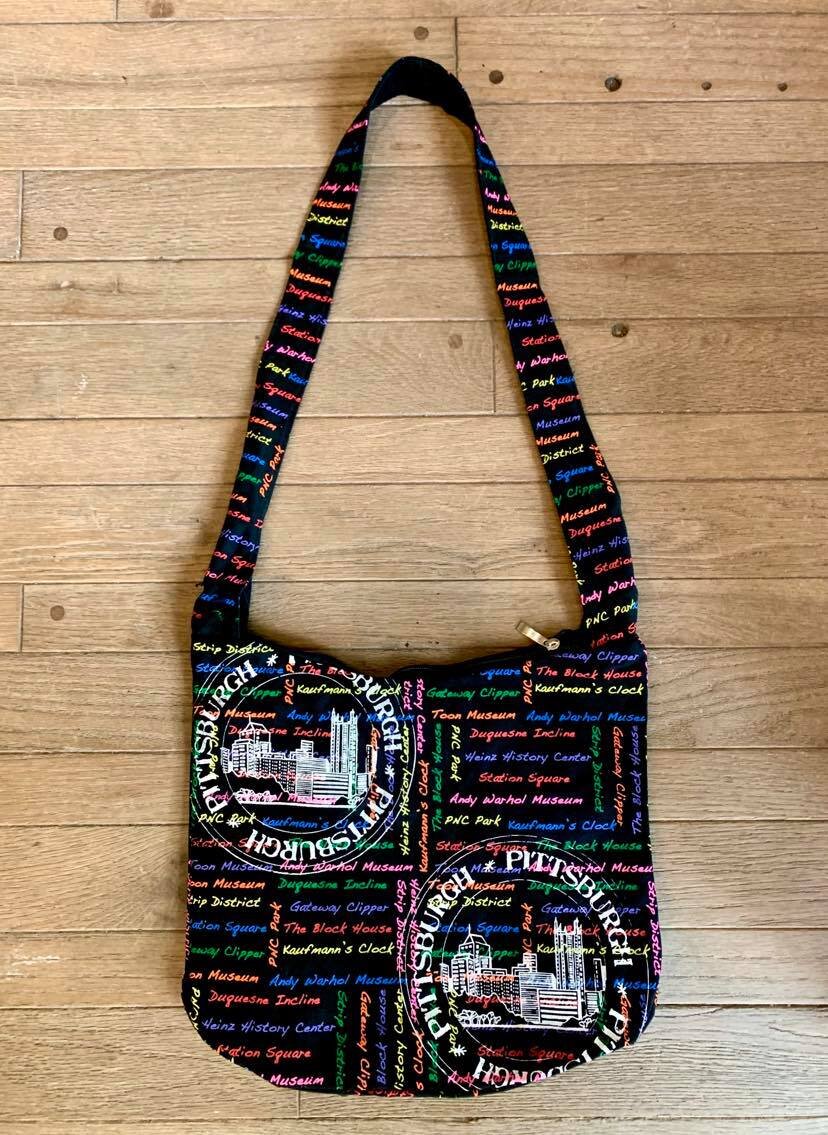
A must-have accessory for any fan of Pittsburgh to carry your belongings while showing your Pittsburgh spirit! Sporting the “Pittsburgh Stamp” design, this bag is perfect a gift or for your own use!
Cotton/Polyester blend with waterproof material. Water can however get in at the zippers. When empty bag portion measures 15″w x 12″h with a 40″ strap (hangs 19″)
Positively Pittsburgh
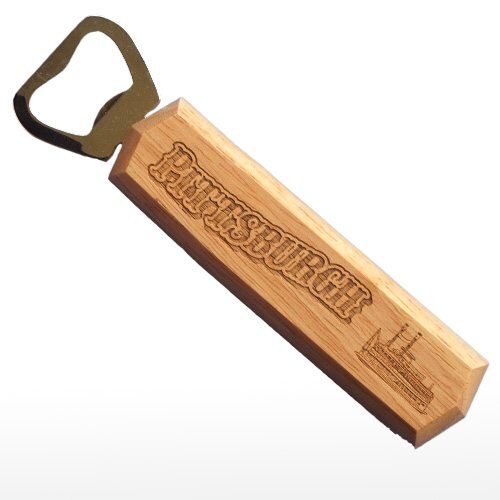
This wooden bottle opener is a great gift for those on the more natural side. With a beautiful finish and wood-burned image of the Gateway Clipper, our bottle opener is sure to add a Pittsburgh flair to any gathering.
This bottle opener has magnets on the back of it!
Measures 5.5″L x 1.25″W x .75″H
Positively Pittsburgh
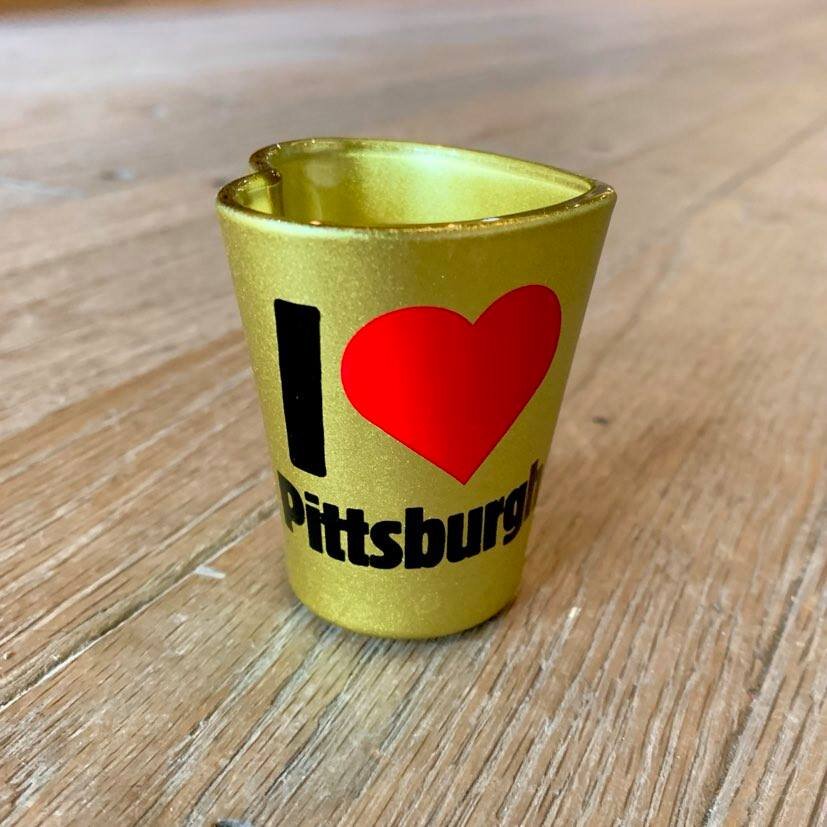
Show some Pittsburgh love with this fun shot glass! Shaped like a heart, this is sure to be a perfect addition to any collection or a great gift!
The text on front
Standard size shot glass measuring 2.25″ high
Positively Pittsburgh
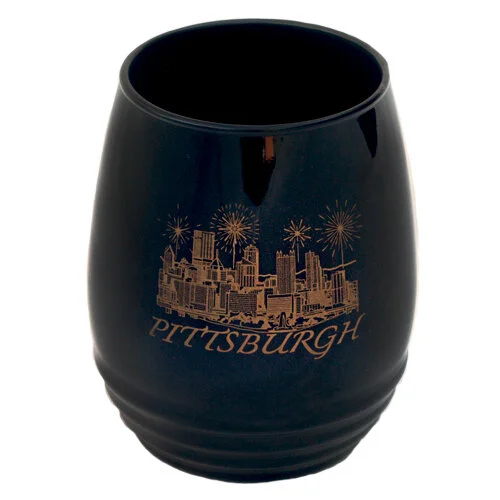
Sit back and enjoy your favorite wine with our black Pittsburgh stemless wine glass, featuring the iconic city skyline in a beautiful gold accent color. Perfect for a date night or a relaxing get-together complete with appetizers and friends, this stemless wine glass is sure to be a hit! This wine glass also makes a perfect gift for the wine-connoisseur in your life, whether they are a life-long Pittsburgher or a visitor.
17 oz
Positively Pittsburgh
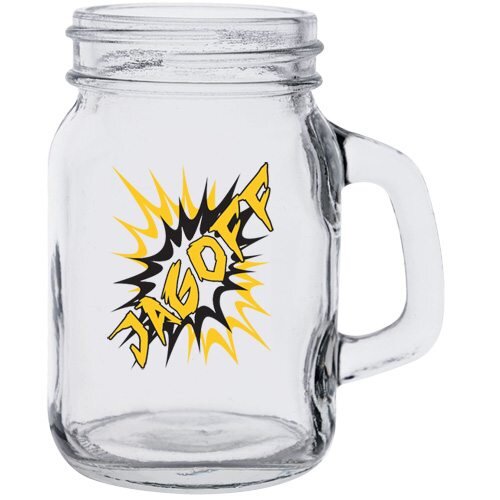
While it may not be a term of endearment, the word “Jagoff” adorning this Mason Jar is a staple in any Pittsburgh household. Celebrate the unique culture of this beautiful city by sitting down and enjoying a drink in this 4 oz. novelty glass.

Positively Pittsburgh
Let it snow! This Pittsburgh snowglobe is a magical addition to any collection and a great way to remember this gorgeous city! Featuring the iconic buildings that make up Pittsburgh, this snowglobe is sure to bring smiles all through the year.
Made of resin and glass. Base measures 2″W; total 2.75″H
Globe diameter: 42mm (about 1.5″)
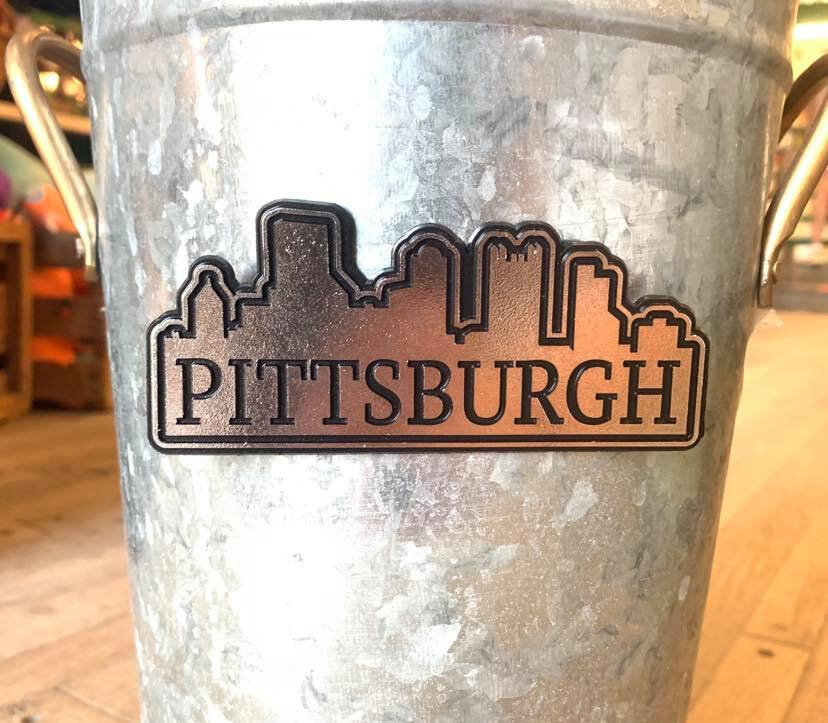
Positively Pittsburgh
Sturdy enough to be used on the car, striking enough to go anywhere.
Flexible rubber magnet with a reflective finish!
Measures 4.38″W x 2.5″H

AIM
The Terrible Toddler Towel Baby Bib is perfect for starting your child out as a Pittsburgh fan. Not only will your friends be impressed but it will leave your child with an ever lasting memory of being a Pittsburgh fan. Manufactured by Little Earth Productions.
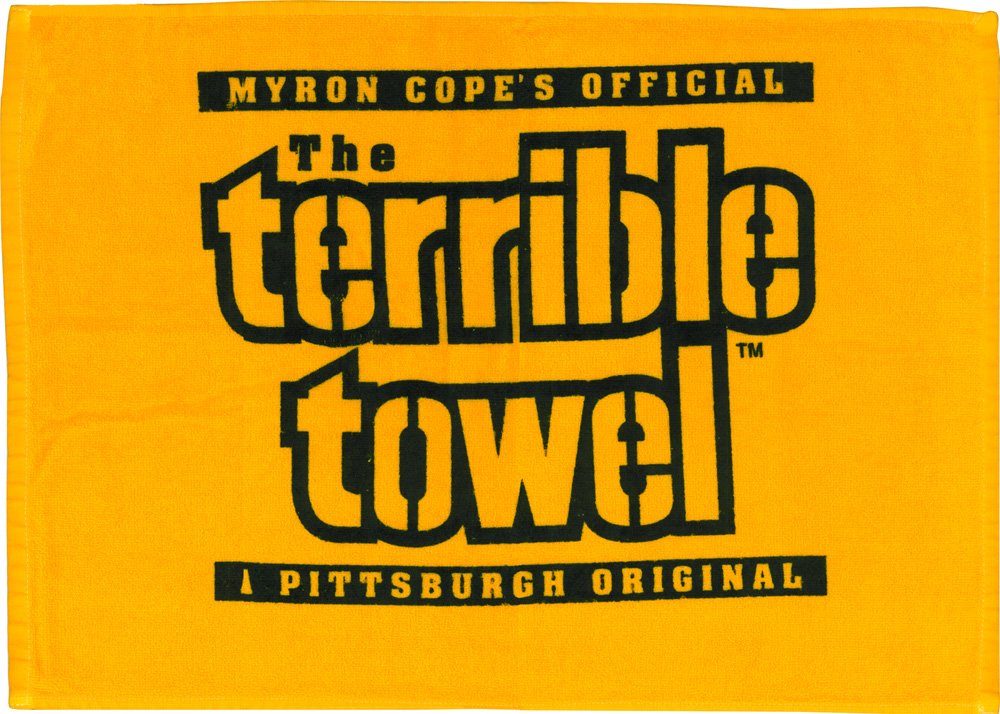
The classic black-on-yellow Terrible Towel—essential for any Steelers fan! Initially born as a promotional item for fans to wave at the playoff game against the Baltimore Colts on December 27, 1975, Myron Cope created a tradition that has spanned generations. Now a staple in Steelers fans' homes across the globe, the Terrible Towel® has become an icon that many try to replicate, but fail to achieve the same impact.
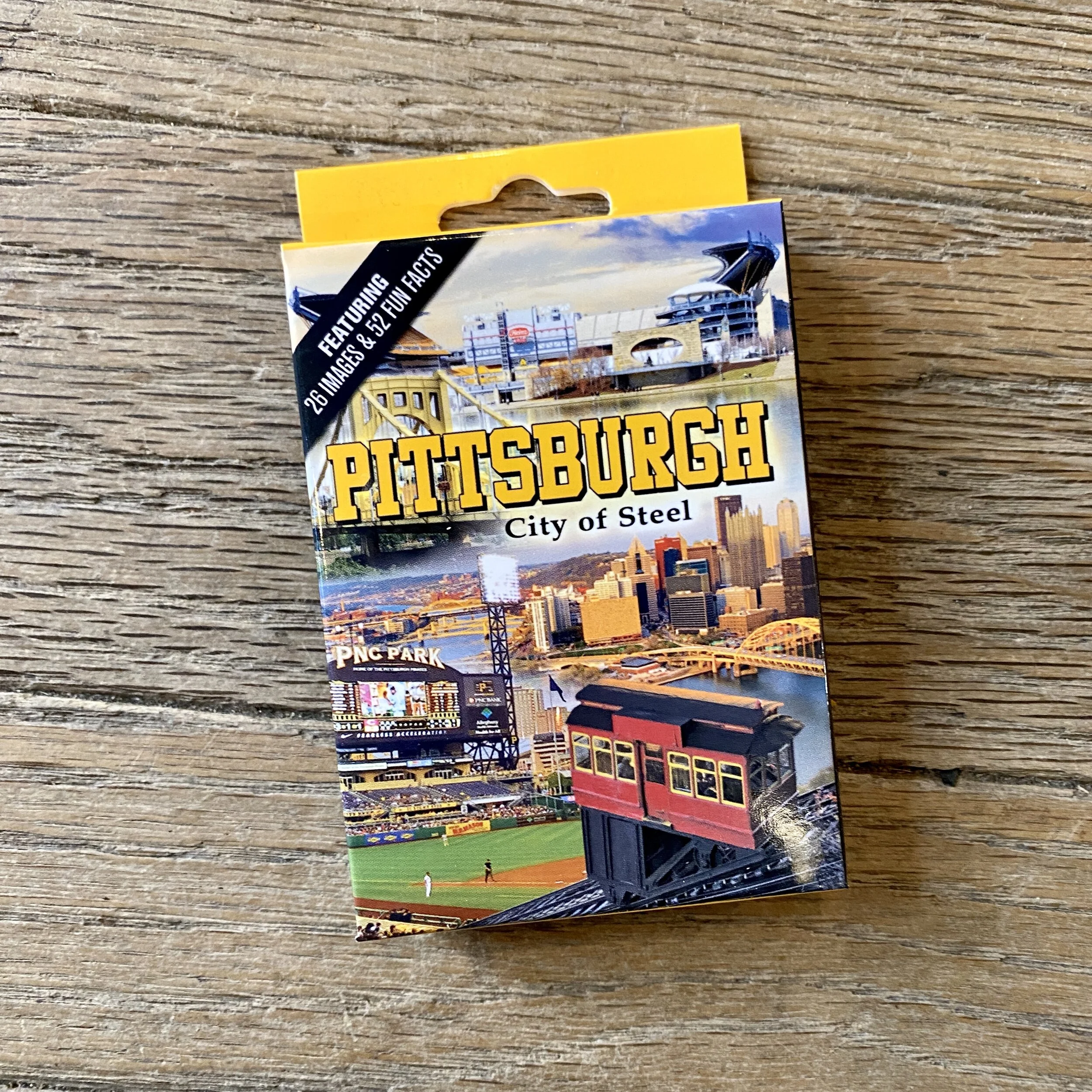
Positively Pittsburgh
Sporting the black and gold colors of Pittsburgh, the back of each card has the same four images, while the front is decorated with one of 26 different photos of our fair city.
Standard size deck of playing cards.

Papersalt
These 3” round ceramic ornaments are printed in full color with an iconic quote and photo on the front, and the Mister Rogers Neighborhood logo on the back. Manufactured in U.S.A.
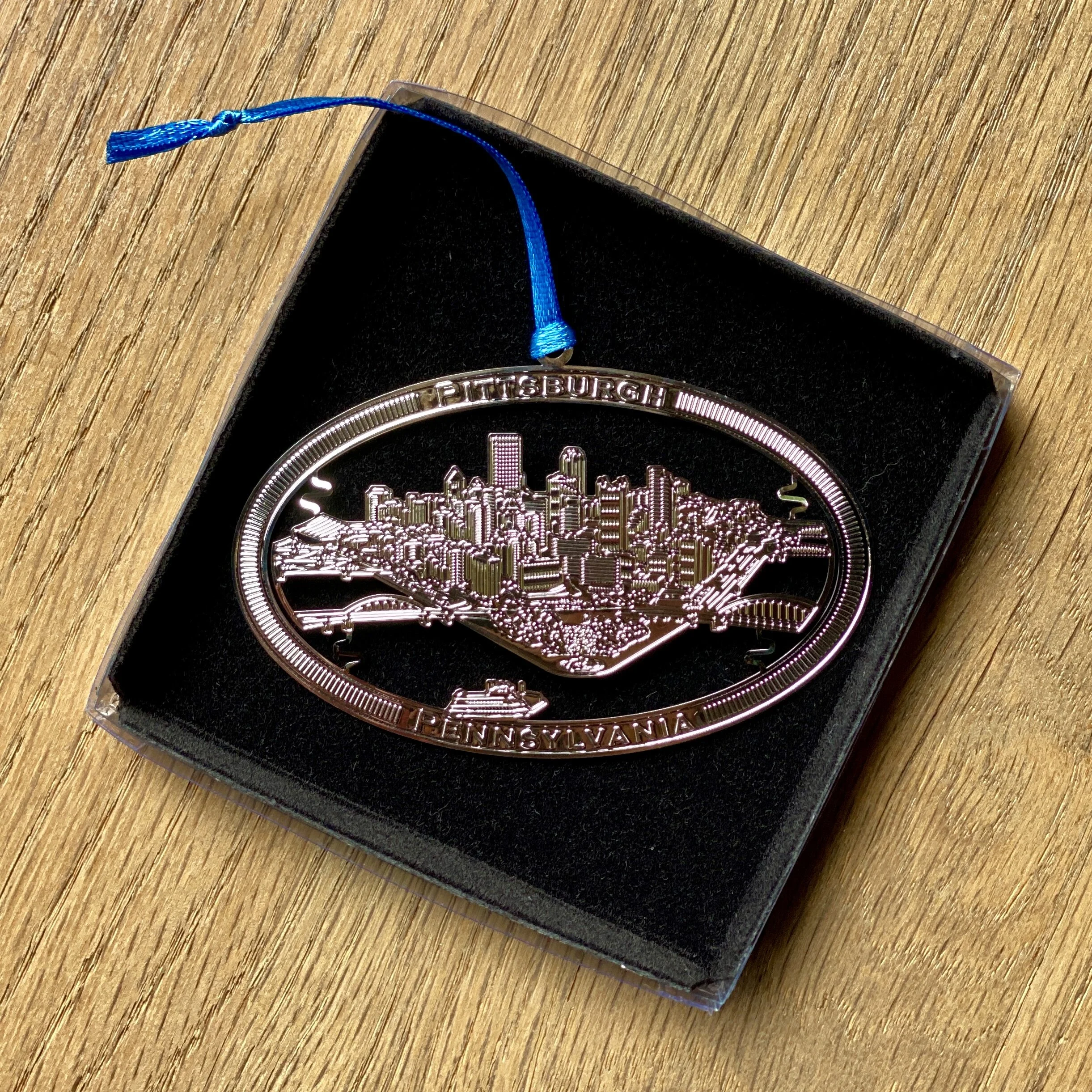
Positively Pittsburgh
Often called the most beautiful cityscape in the country, Pittsburgh sparkles in this silver ornament that captures the city’s one-of-a-kind vista. With views of all three rivers, iconic bridges, and landmark skyscrapers–not to mention where it all began–The Point, this ornament will certainly become a treasured possession.
3 5/16″w x 2″h
Positively Pittsburgh
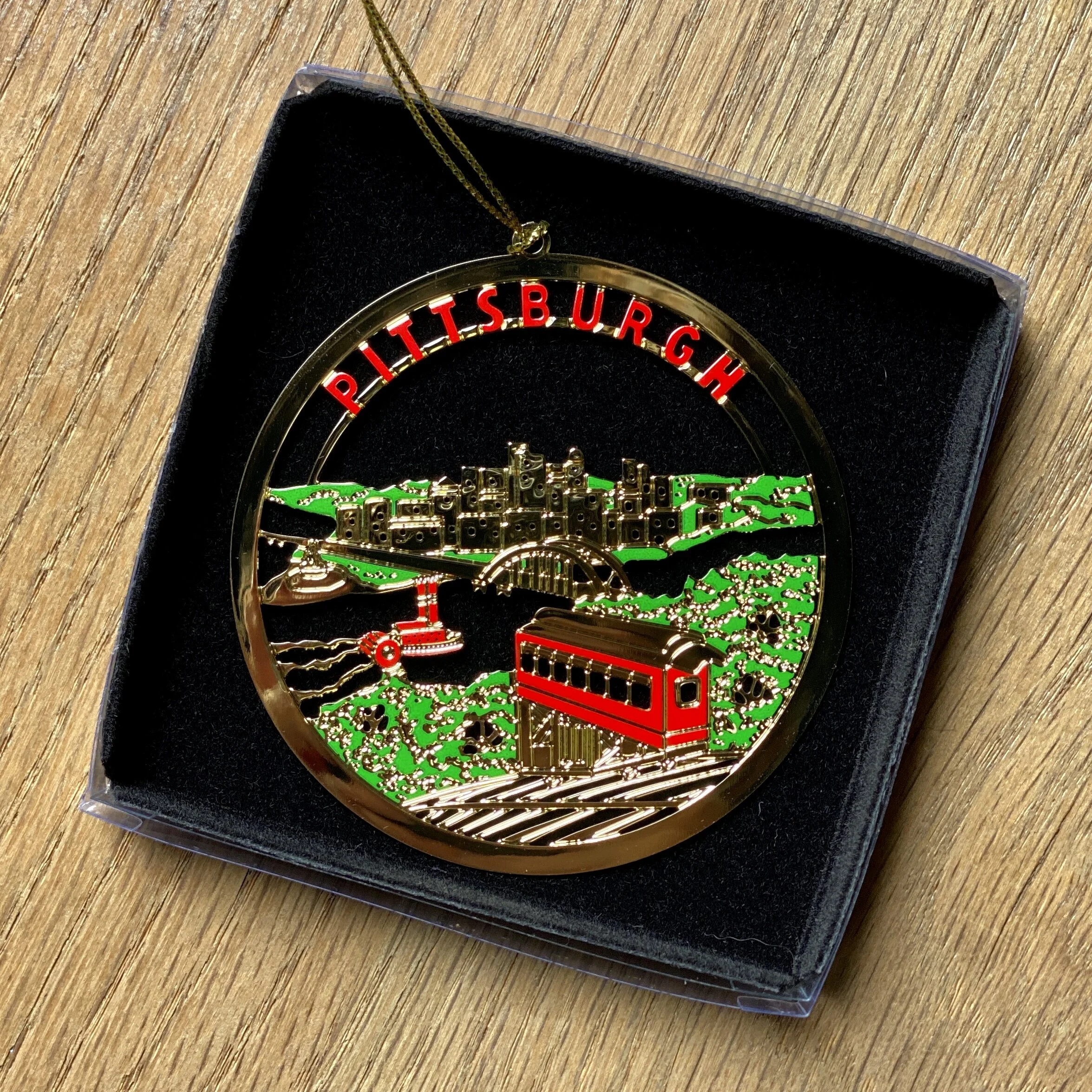
One of the treasures of Pittsburgh is the Duquesne Incline. This museum-in-motion has been scaling the side of Mount Washington since 1877. In the early years, the incline cars transported people from their homes on Mount Washington to their jobs below. They now carry people 400 feet up the side of Mount Washington to the observation decks that provide a beautiful view of the Pittsburgh skyline, ranked as one of America’s most beautiful sights.
Anyone from Pittsburgh, or who has visited Pittsburgh, will love this colorful ornament showing Pittsburgh from the Duquesne Incline.
Measures 3″W x 3″H
Positively Pittsburgh
For pick up only, no shipping
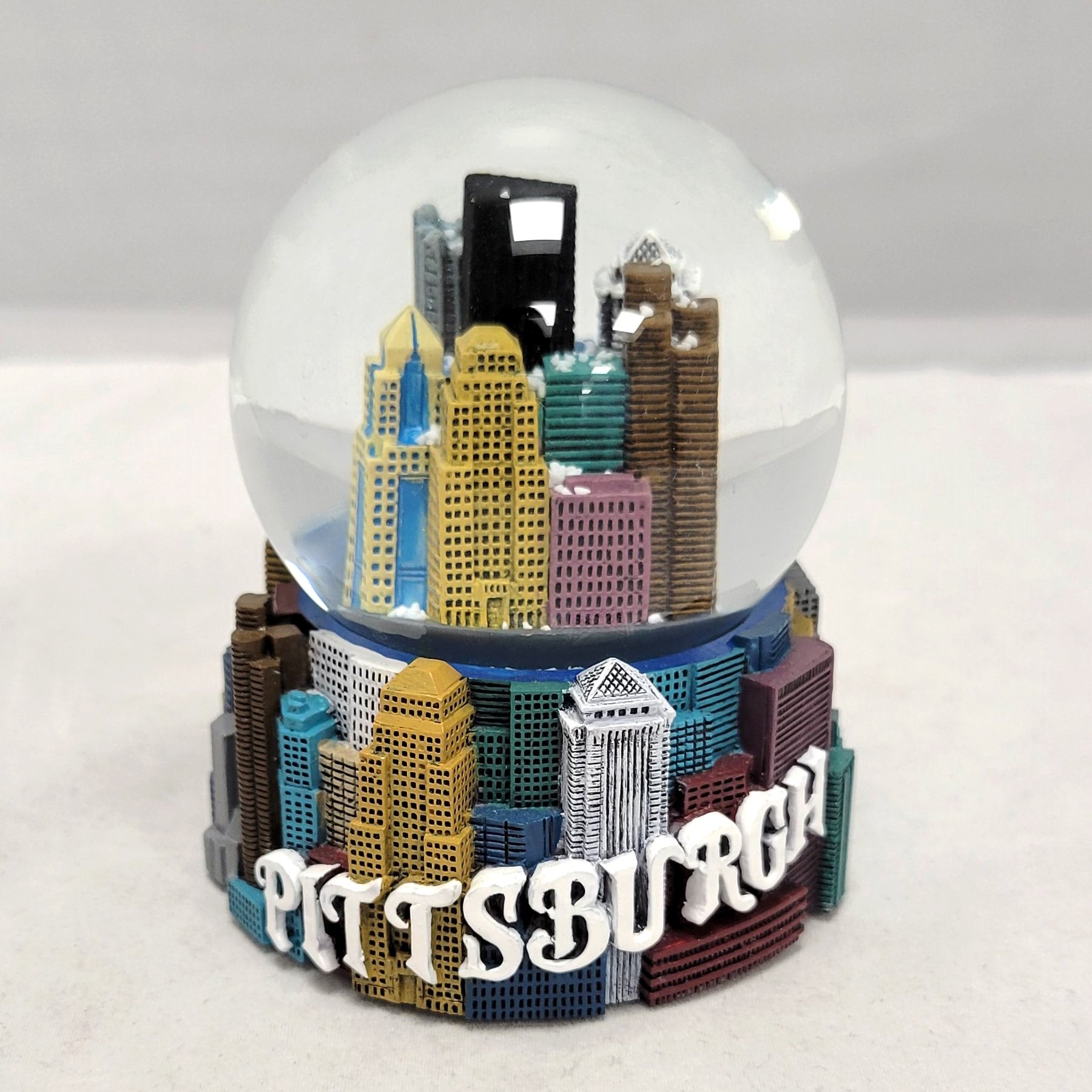
Let it snow! This Pittsburgh snowglobe is a magical addition to any collection and a great way to remember this gorgeous city! Featuring the iconic buildings that make up Pittsburgh, this snowglobe is sure to bring smiles all through the year.
Positively Pittsburgh
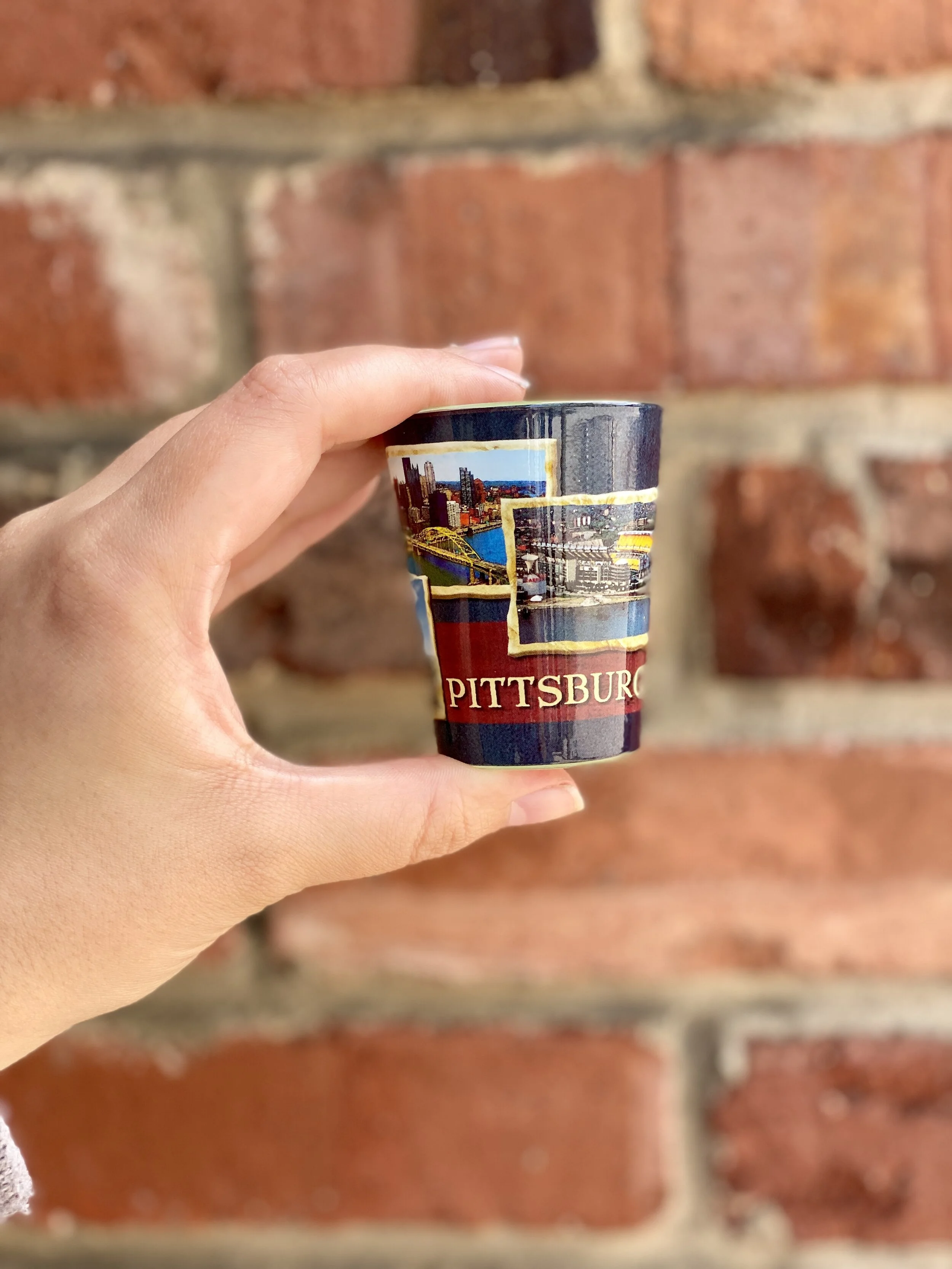
Featuring iconic images of Pittsburgh including the historic Heinz Field, the Cathedral of Learning, and the Point State Park Fountain, this shot glass is the perfect memento of this glorious city!
Standard size shot glass measuring 2.25″ high
#6
Positively Pittsburgh
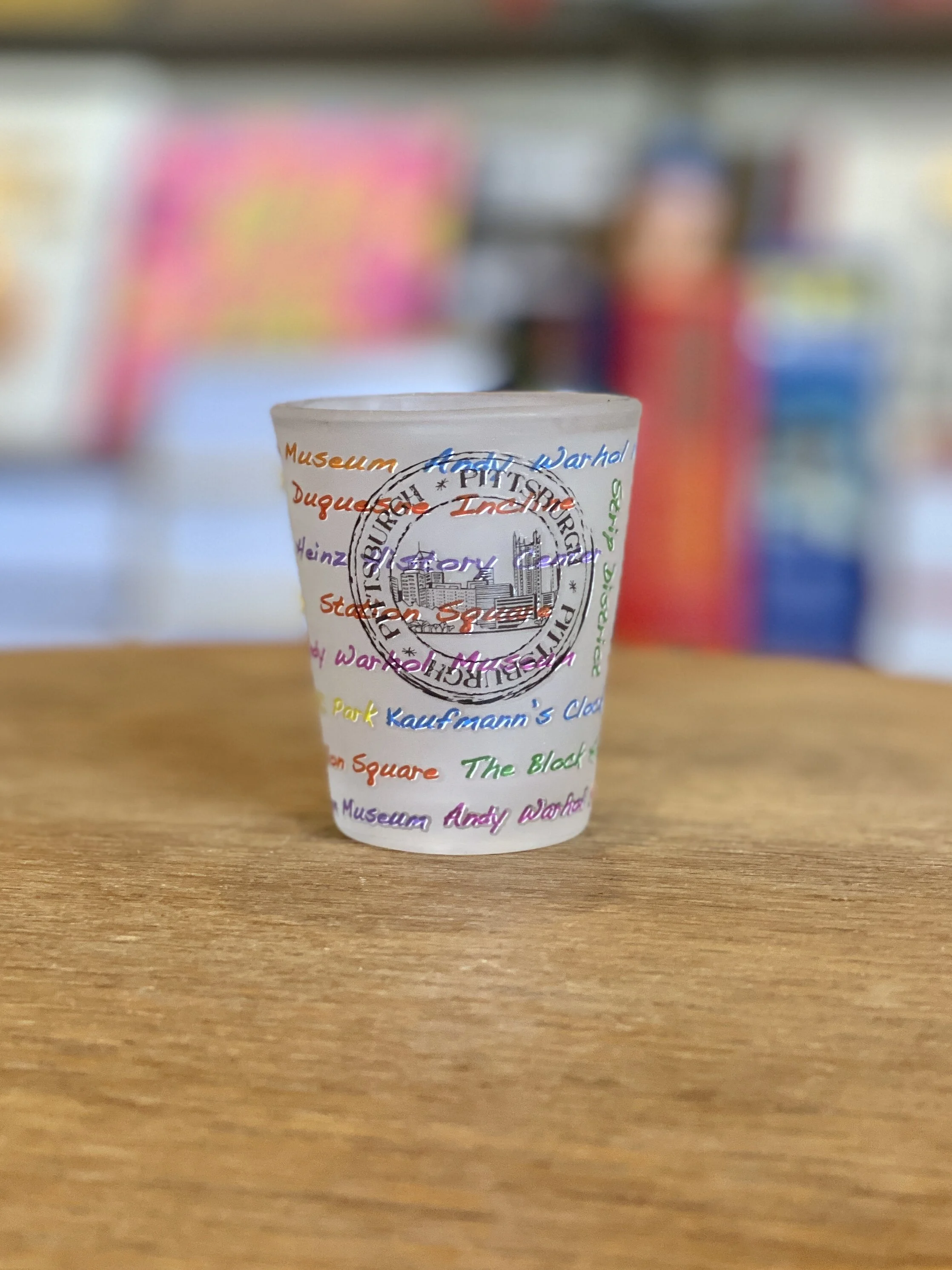
This colorful shot glass is sure is to capture the heart of any Pittsburgher! Complete with the text of iconic landmarks and buildings, this is sure to be a perfect addition to any collection.
Standard size shot glass measuring 2.25″ high
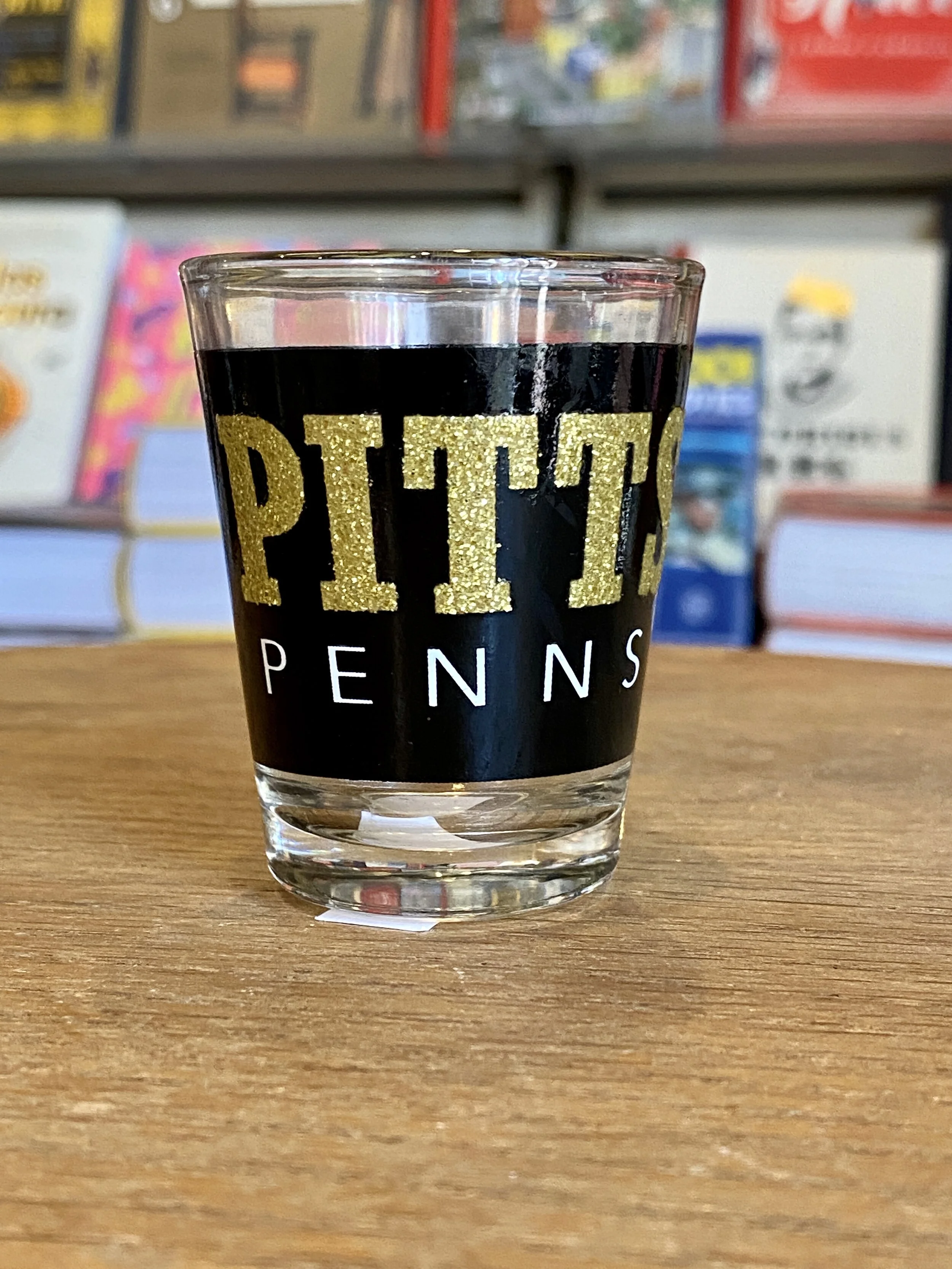
Positively Pittsburgh
Featuring the iconic black and gold that Pittsburghers know and love, this shot glass embodies this great city with a simple black background and glittery gold text.
Standard size shot glass measuring 2.25″ high
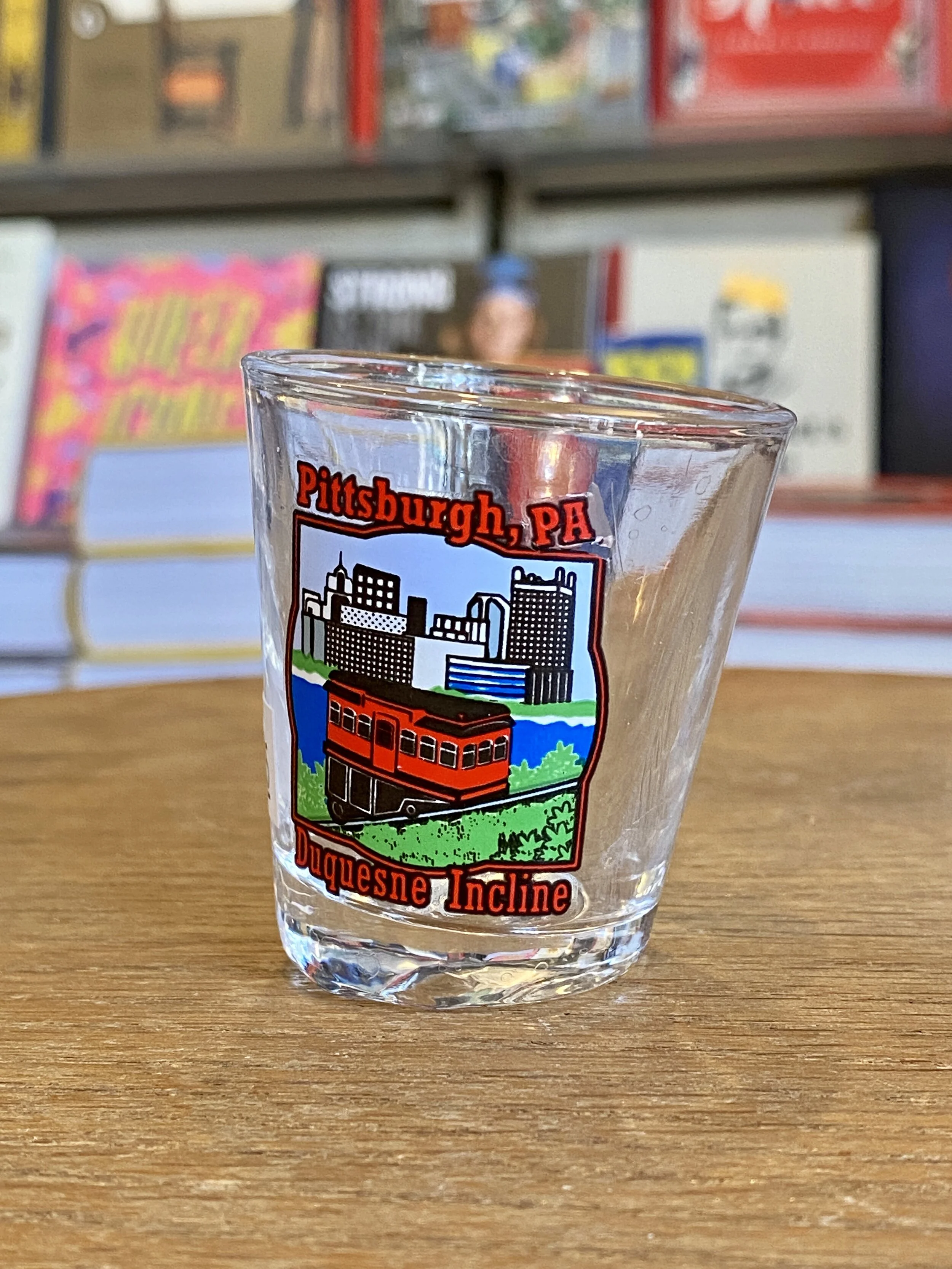
Positively Pittsburgh
Whether you are looking for a gift for a tried and true Pittsburgher or a first-time visitor, this is the perfect souvenir. These colorful shot glasses feature the iconic view of Pittsburgh from The Point to the Duquesne Incline, making them the ideal addition to any collection.
One Standard Size Shot Glass
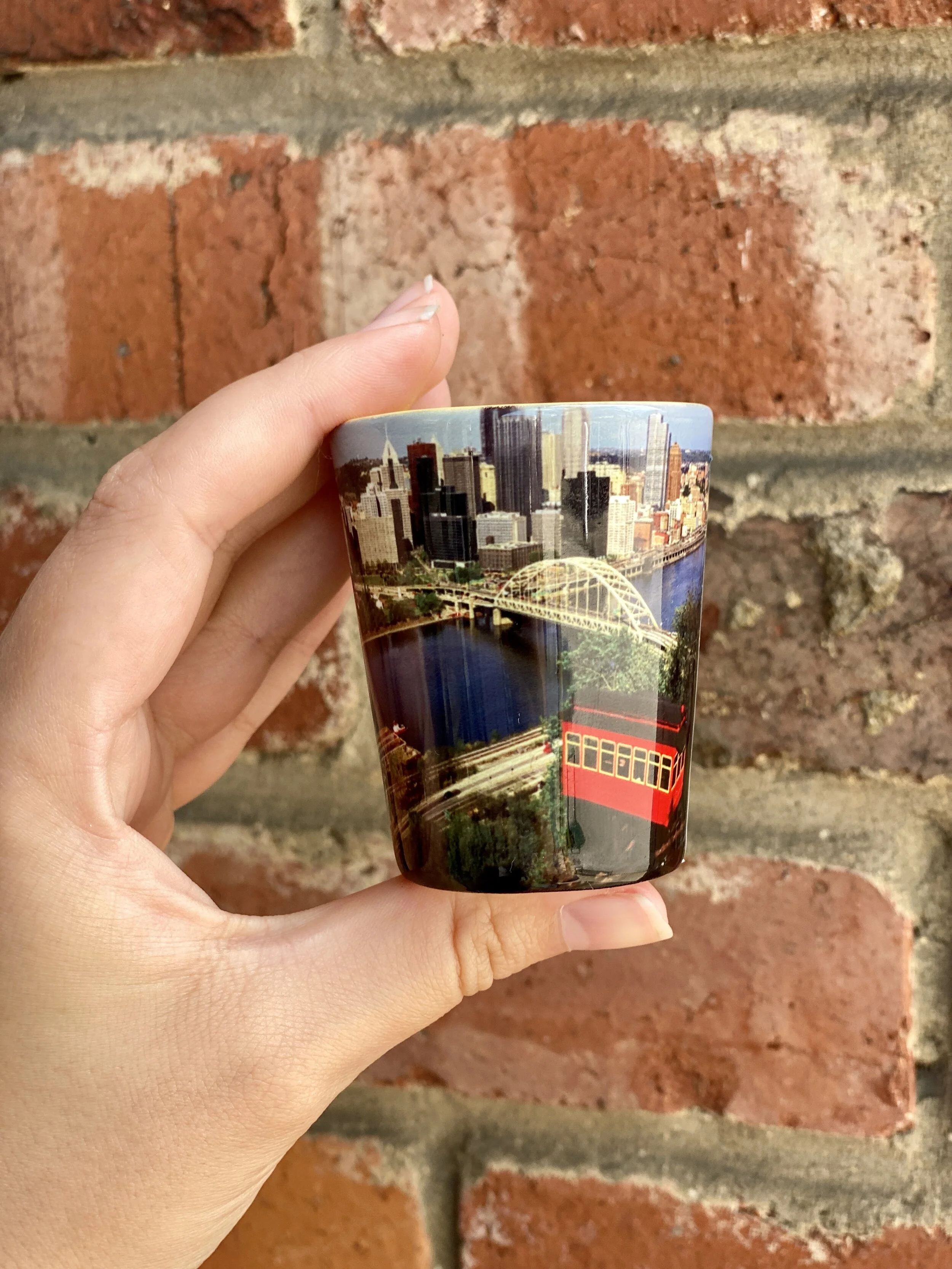
Positively Pittsburgh
Celebrate Pittsburgh with this festive shot glass decorated with a reflective image of the city. Whether as a gift for a friend or a memento of this fantastic city, it’s sure to be a hit!
Standard size shot glass measuring 2.25″ high
Keychains

Positively Pittsburgh
How many special Pittsburgh things can you spot in this fun and colorful image? This fun, whimsical design highlights a colorful collection of iconic Pittsburgh landmarks. The Gateway clipper, fireworks going off over PNC Park, the Pittsburgh zoo, and our beloved Dippy the Dinosaur are just a few of our favorite city sights that are represented on this acrylic key chain. On the reverse side is a beautiful photograph of downtown Pittsburgh with fireworks overhead.
Acrylic. Measures 2″W x 1.3″H (not including ring)
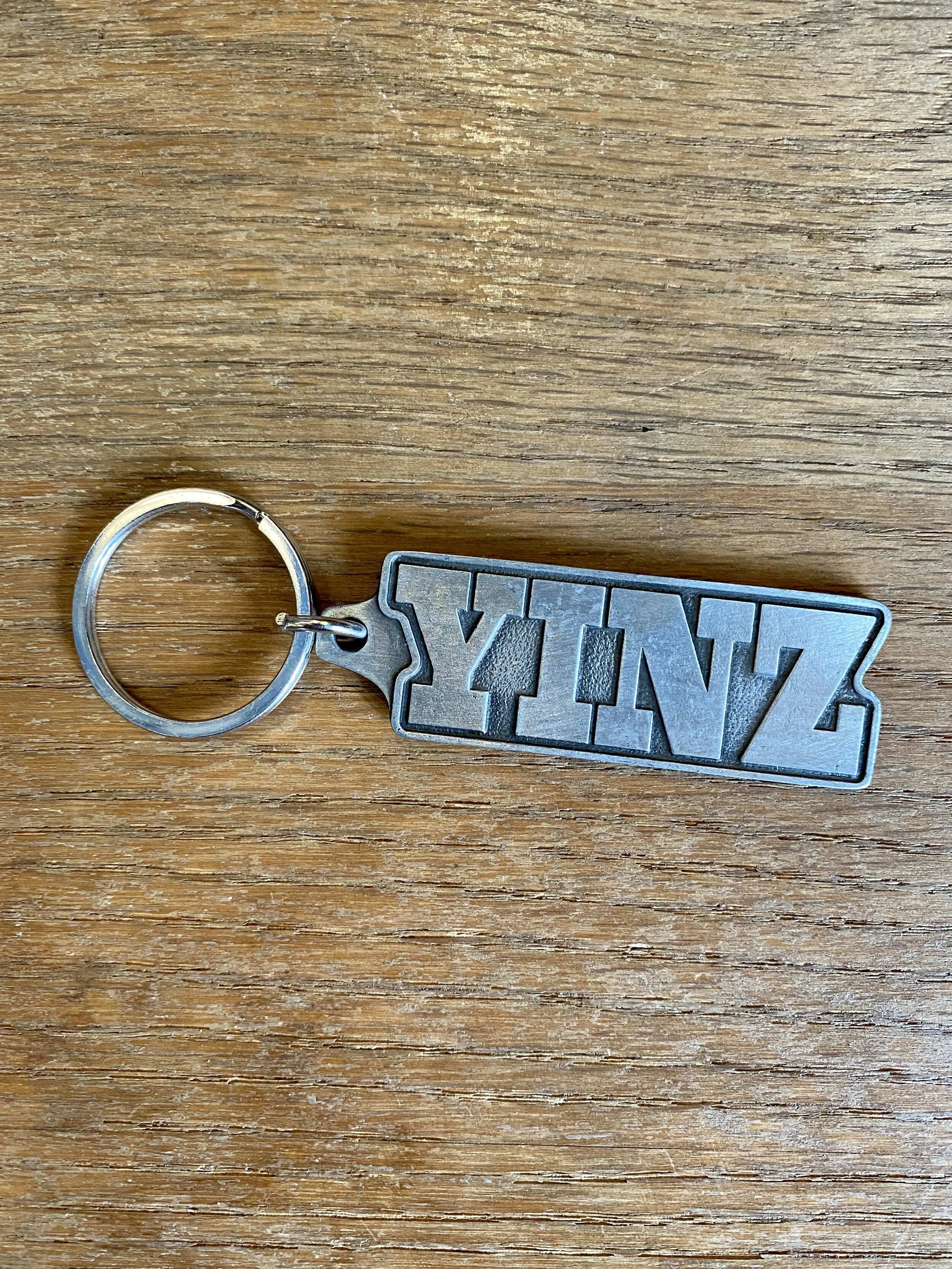
Positively Pittsburgh
Share the spirit of Pittsburgh wherever you go with this great metal keychain featuring a truly unique Pittsburgh word, “Yinz,” part of our Pittsburghese dialect.
Pewter.
Measures 2.75″W x 1″H
(not including ring)
Magnets

Positively Pittsburgh
This wooden bottle opener is a great gift for those on the more natural side. With a beautiful finish and wood-burned image of the Gateway Clipper, our bottle opener is sure to add a Pittsburgh flair to any gathering.
This bottle opener has magnets on the back of it!
Measures 5.5″L x 1.25″W x .75″H
Positively Pittsburgh
Sturdy enough to be used on the car, striking enough to go anywhere.
Flexible rubber magnet with a reflective finish!
Measures 4.38″W x 2.5″H

Unemployed Philosophers Guild
Painter, filmmaker, record producer, author, celebrity, intellectual -- Andy Warhol was all of these things. And now you can add "finger puppet" to the list. We find it ironic that the great Pop Artist is now a toy himself, and we think Warhol would be proud. The Andy Warhol Puppet is about 4 inches tall and is nicely detailed for such a small thing. He wears a very arty red satin jacket and black turtleneck sweater, and his head is crowned by a dramatic shock of white hair. He's also magnetized so you can stick him to your refrigerator, filing cabinet, or Campbell's Soup can. Andy Warhol once said "An artist is somebody who produces things that people don't need to have." So we guess that would make us artists here at UPG.
Positively Pittsburgh
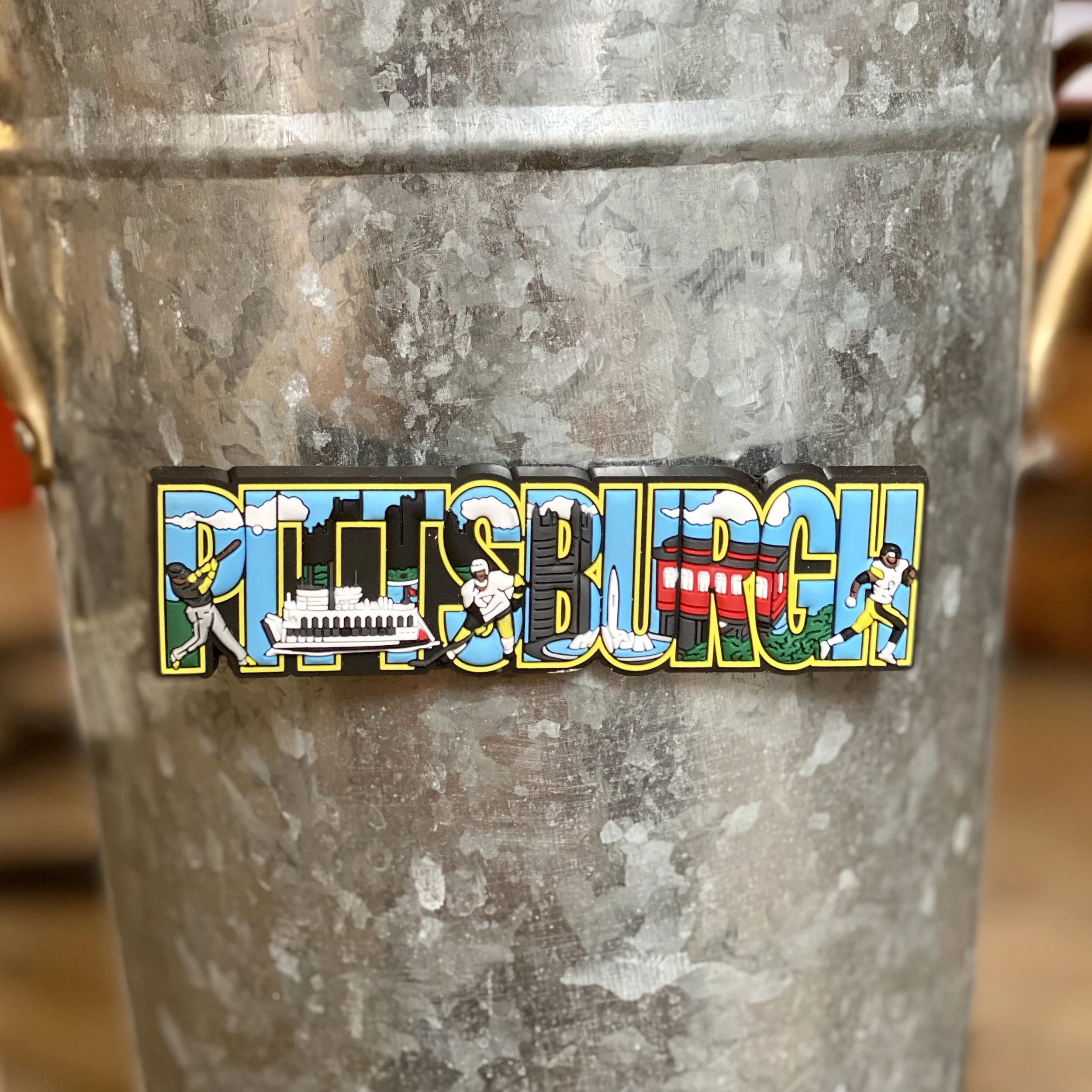
Celebrate Pittsburgh with this simple but fun magnet. Featuring the city’s name in large letters and filled with iconic images of the ‘Burgh, this item is the perfect gift for any occasion!
Flexible Rubber-like Magnet.
Measures 4.75″L x 1.25″H
Positively Pittsburgh
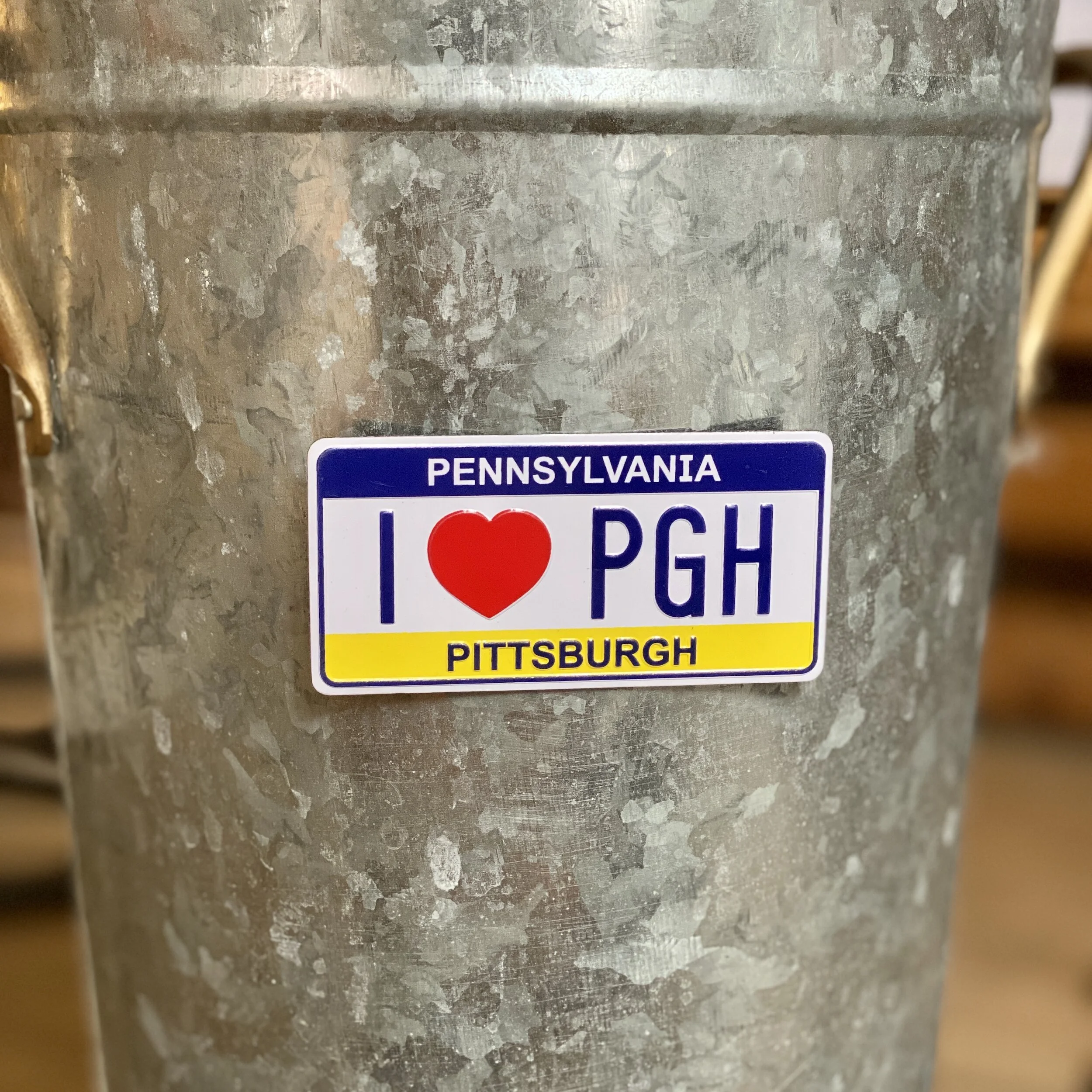
Show some Pittsburgh love with this charming magnet that resembles a Pennsylvania license plate. Whether you are near or far, with this Pittsburgh item will always be in your heart!
Measures 3″W x 1.5″H
Positively Pittsburgh
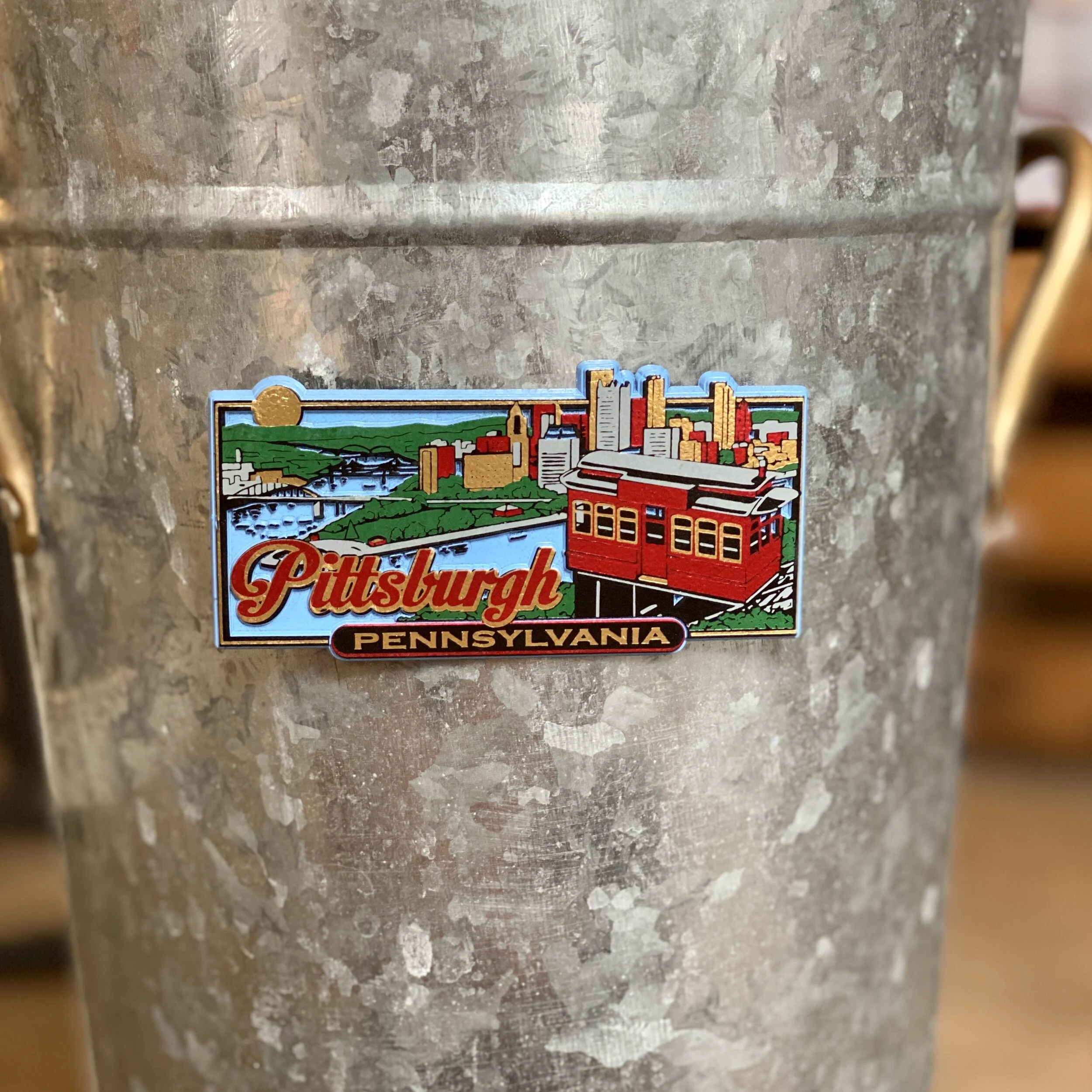
This is an image of the Duquesne Incline with the City of Pittsburgh. This flexible magnet is made in the USA.
Measures 3.5″W x 1.5″H
Flexible rubber-like Magnet.
Positively Pittsburgh
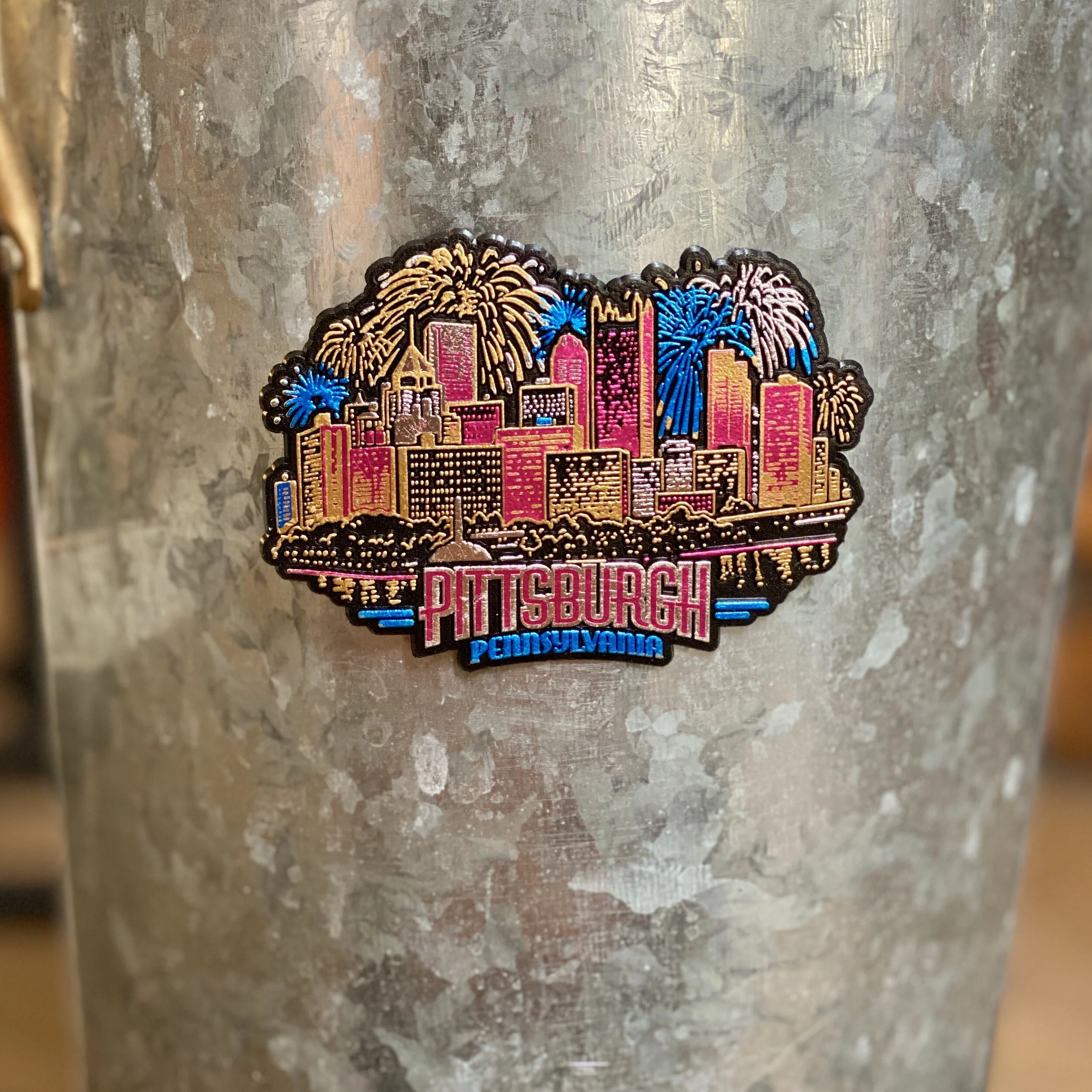
No city does fireworks like Pittsburgh. This souvenir magnet will always remind you of one of the best things about Pittsburgh even though there isn’t a fireworks show every day.
Flexible rubber-like Magnet.
Measures 3.25″W x 2.5″H
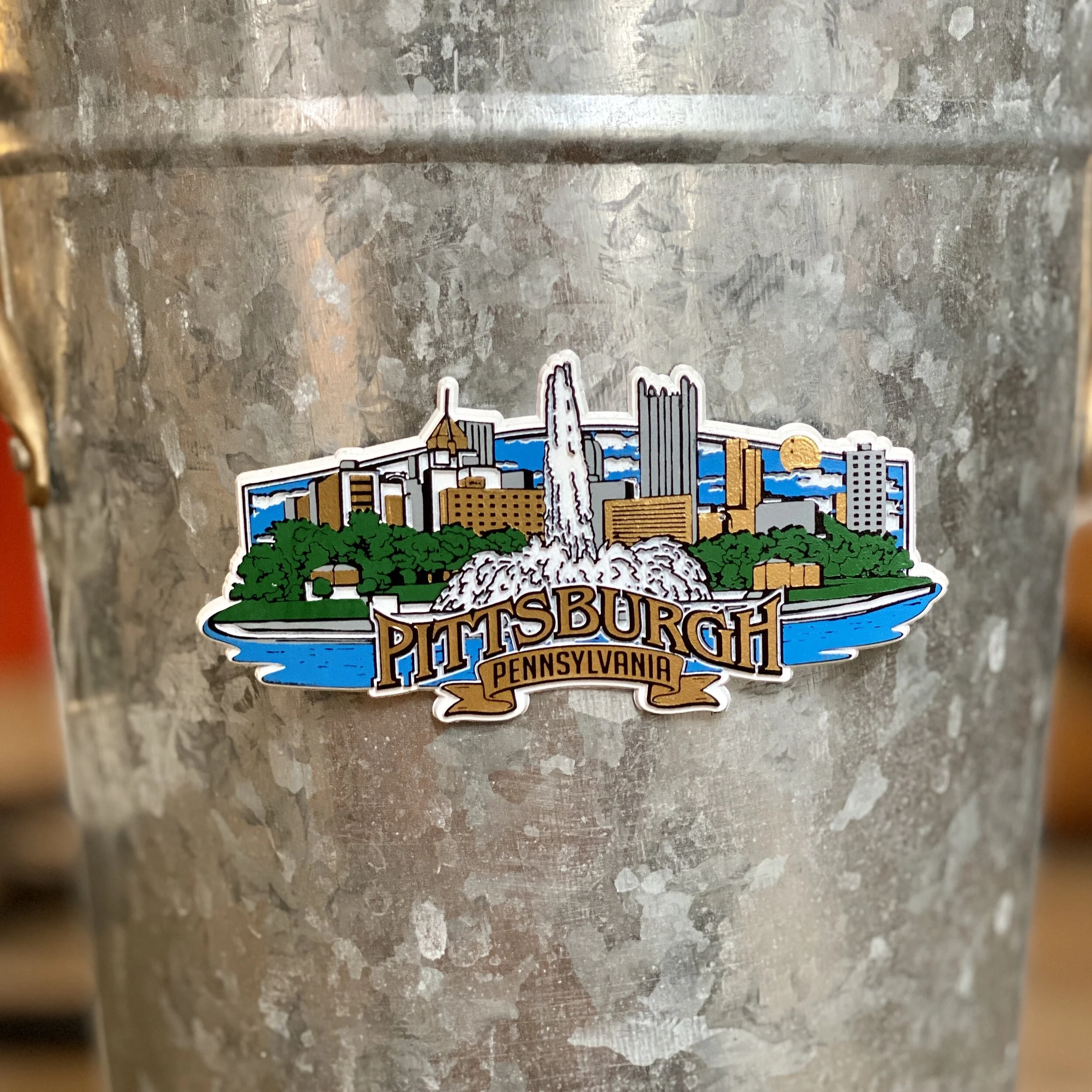
Positively Pittsburgh
This large colorful magnet features the always iconic Fountain at the Point. The fountain is one of the many things that people like about the city. This souvenir item will help you remember it for a long time.
Flexible rubber-like Magnet.
Measures 4.5″W x 2″H
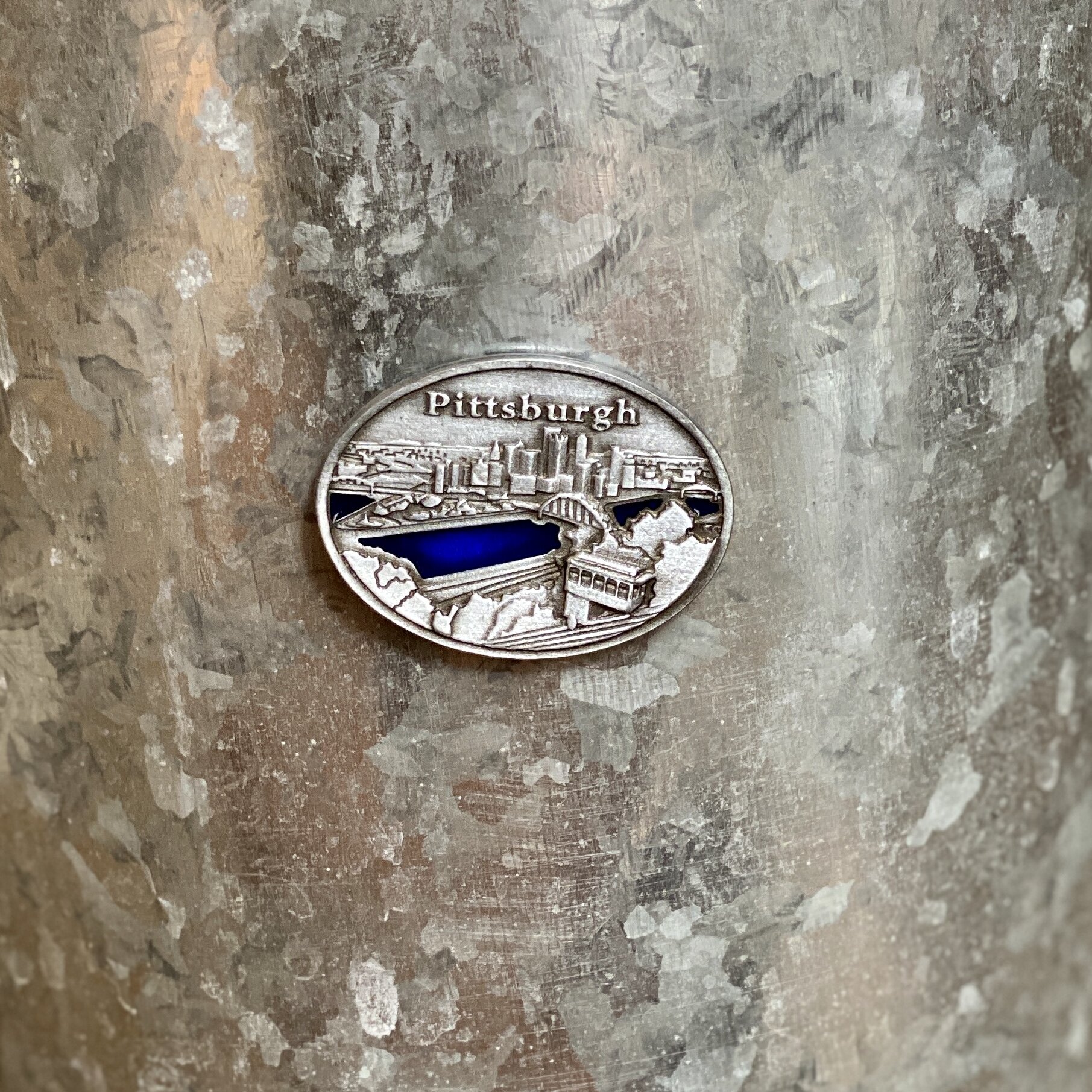
Positively Pittsburgh
This classic pewter magnet is the perfect way to represent Pittsburgh! The aerial image of city is enhanced with blue enamel and is a great gift for any Pittsburgher!
Measures 1.75″W x 1.25″H
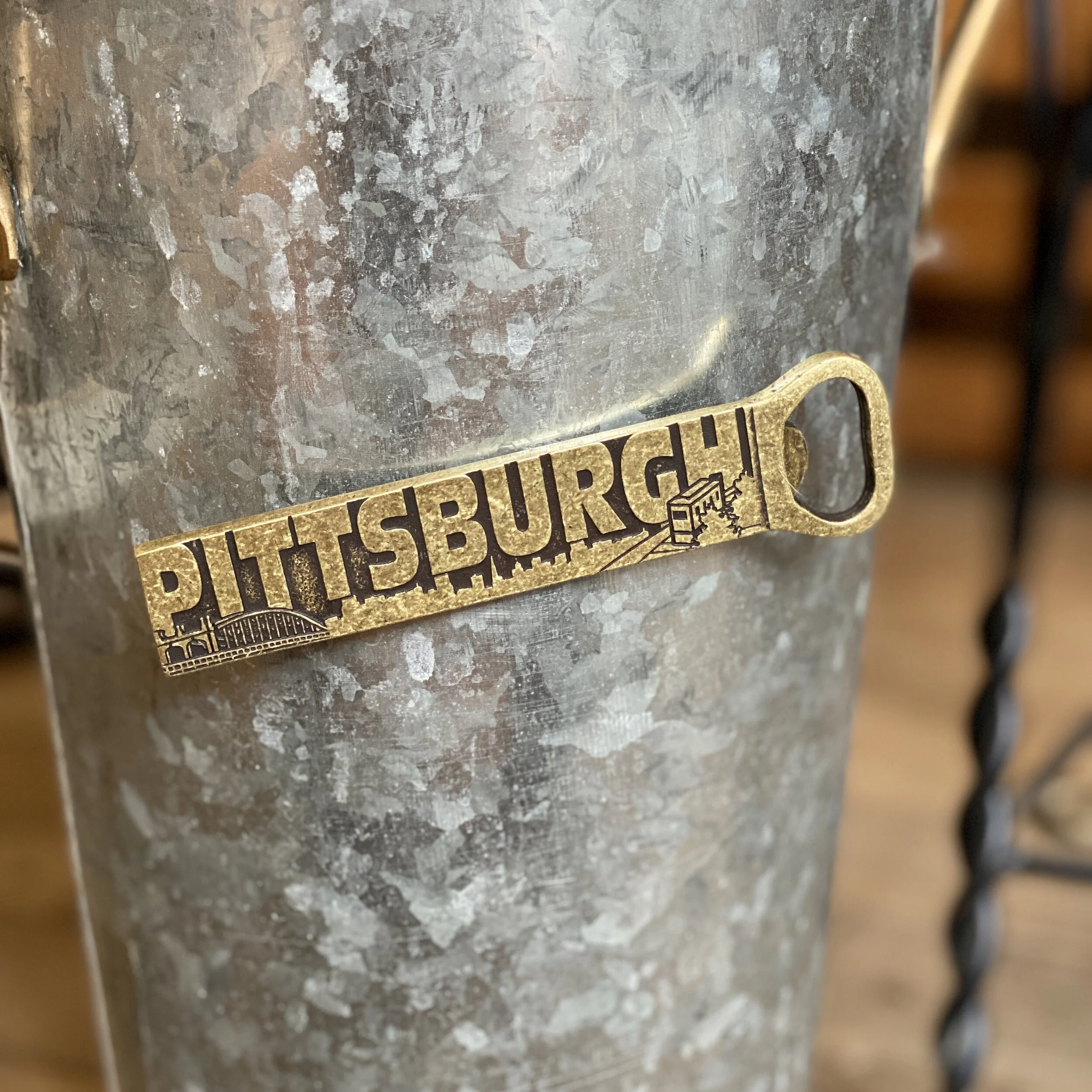
Positively Pittsburgh
Whether you are drinking with friends or taking some time to relax alone, this bottle opener is there to help out when you are in the mood for a beer! Featuring a bold, decorated text that says “Pittsburgh”, this multi-purpose gift is sure to be a hit!
Die Cast Metal with a 1″L x 1.5″W magnet. Measures 5″L x 1″W
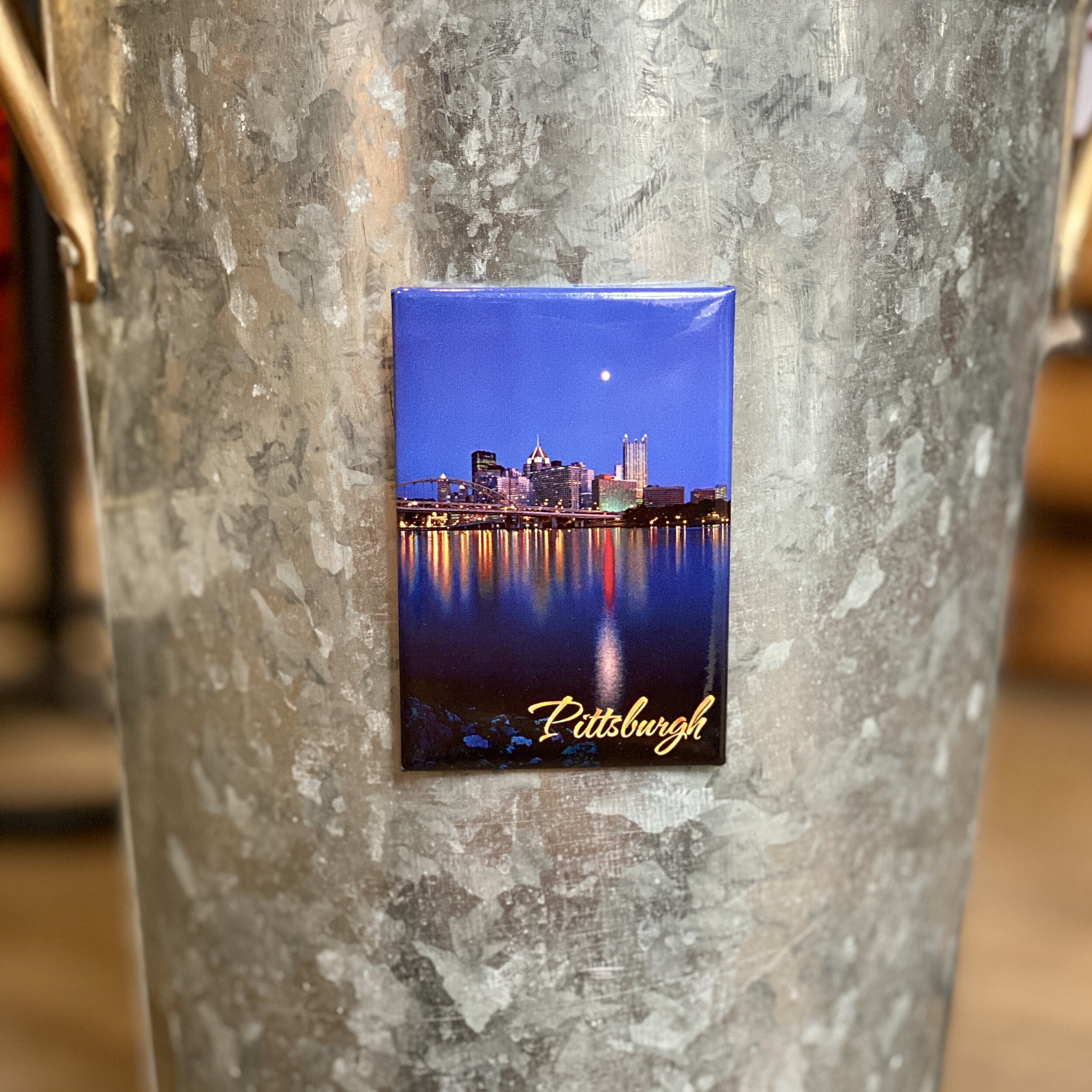
Positively Pittsburgh
Lights reflecting beautifully in the river and a moon above grace this spectacular view of the Pittsburgh skyline.This rigid magnet is perfect for a fridge or cubicle. It is easy to clean and won’t break if it falls.
Measures 3″W x 2″H
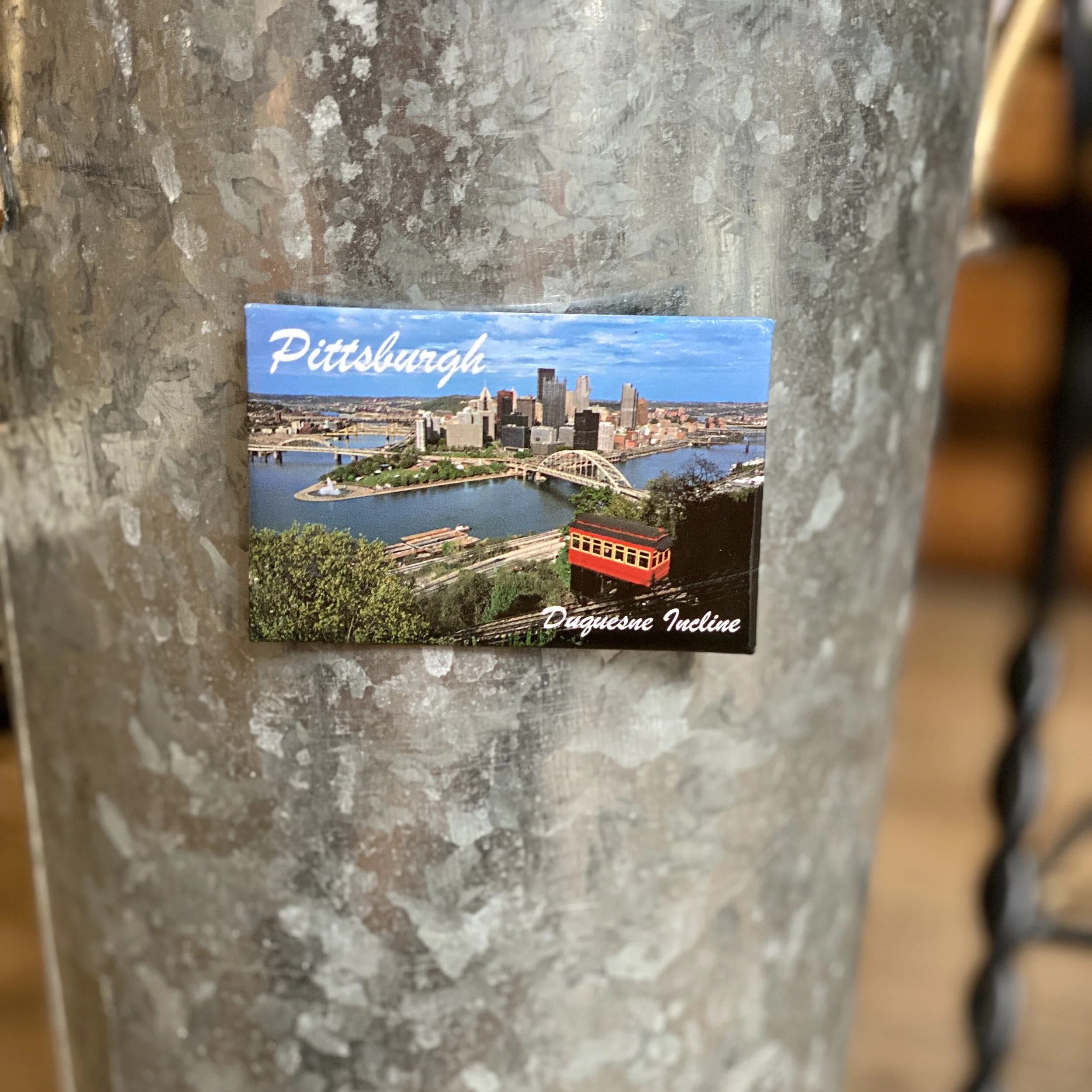
Positively Pittsburgh
A spectacular view of the historic Duquesne Incline and the beautiful Pittsburgh skyline as viewed from Mt. Washington. This rigid magnet is perfect for a fridge or cubicle. It is easy to clean and won’t break if it falls.
Measures 3″W x 2″H
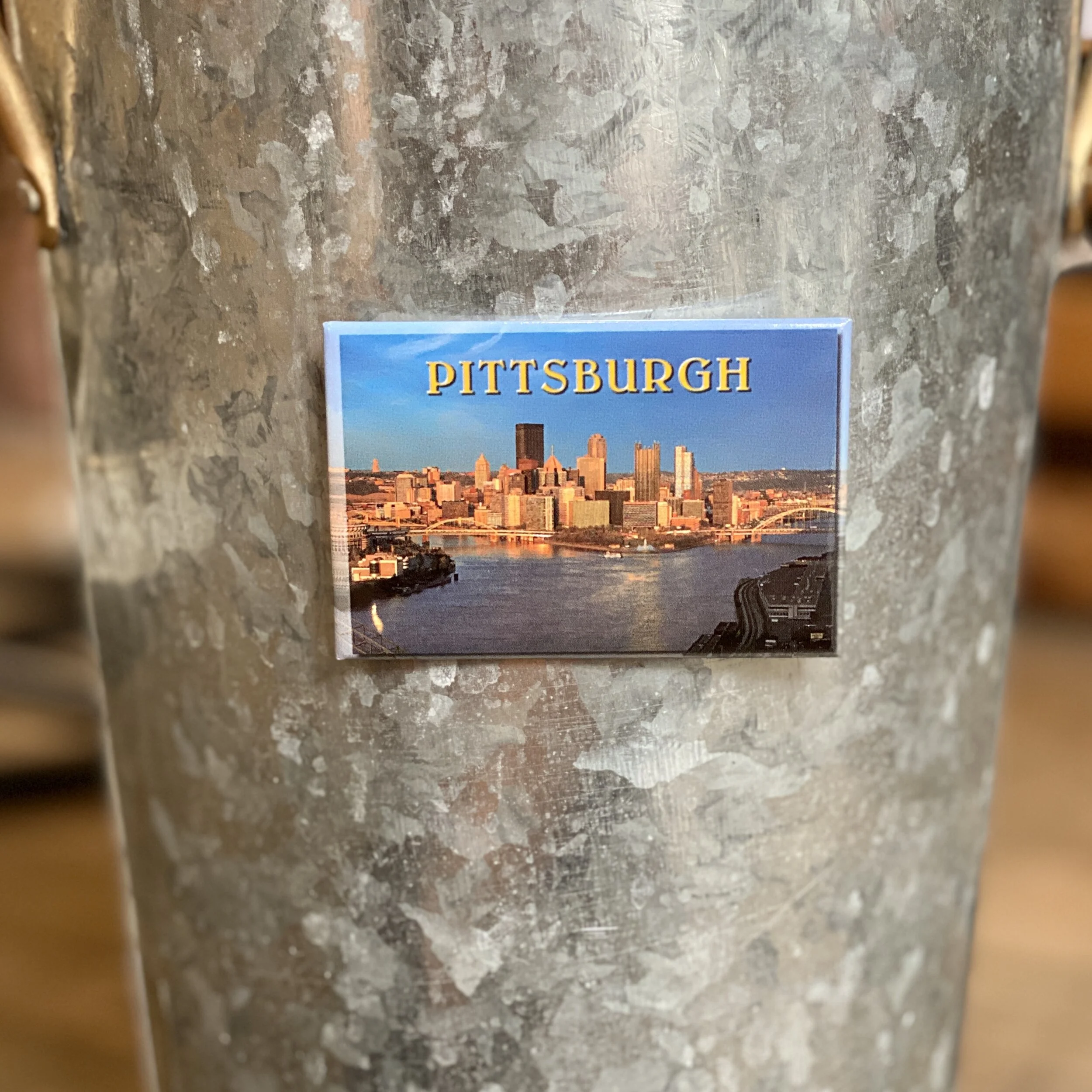
Positively Pittsburgh
A beautiful view of The Point and downtown skyline as the sun begins to set over Pittsburgh!
Measures 3″W x 2″H
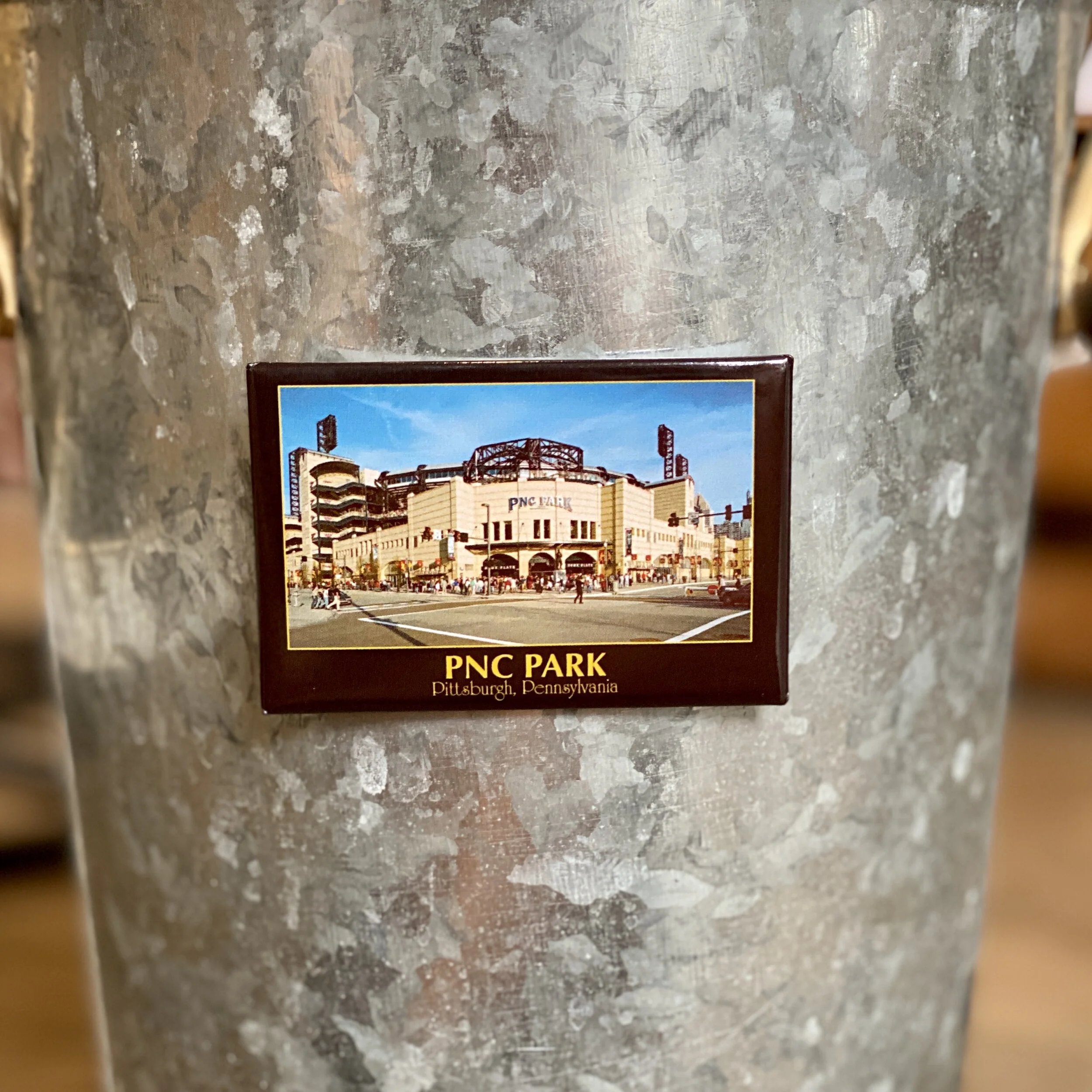
Positively Pittsburgh
Perfect for any baseball fan! PNC Park is the newest home of the Pittsburgh Pirates and a spectacular landmark along the city's skyline. This rigid magnet is perfect for a fridge or cubicle. It is easy to clean and won't break if it falls.
Measures 3″W x 2″H
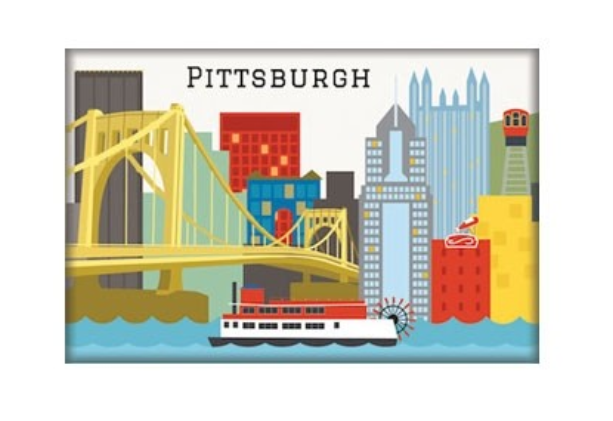
The Found
This strong magnet is a great gift or cool addition to your fridge.
Magnet is 2" x 3"
Mugs
Pins

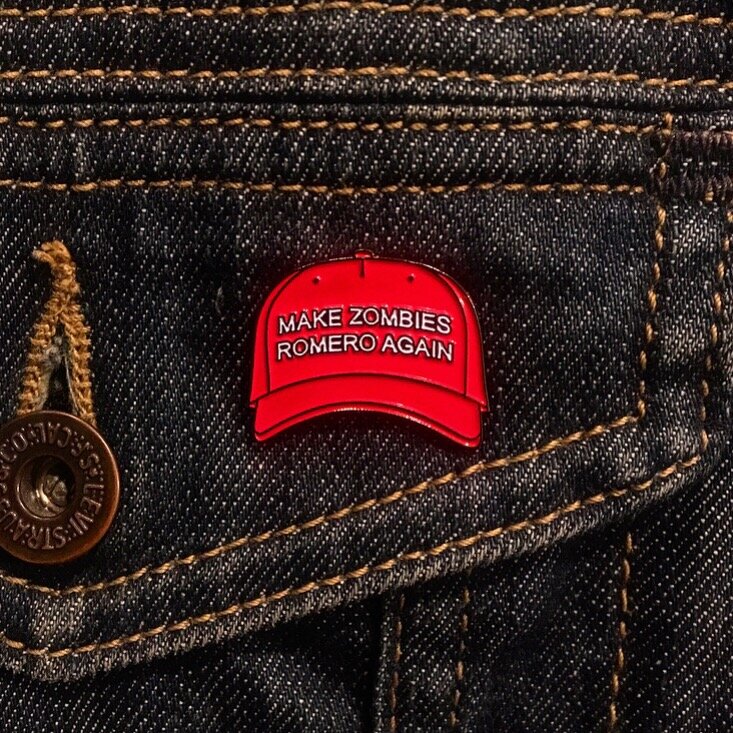
Disburst, $9.95
"Make Zombies Romero Again" Hat pin 1" in size, with two clutch butterfly clasps.


Unemployed Philosophers Guild
"I used to have the same lunch every day, for 20 years, I guess..."
– Andy Warhol, about Soup
Wear your heart on your sleeve and inspiration on your lapel!
Andy Warhol and Soup Can die-cast enamel pins with rubber pin backs that really hold on.

Unemployed Philosophers Guild
”Mister Rogers and Trolley will go with you wherever you go... and back home again.”
Mr. Rogers and Trolley colorful die-cast enamel pins with rubber pin backs that really hold on.
Each pin is approx. 1.5 x 1".
The Found
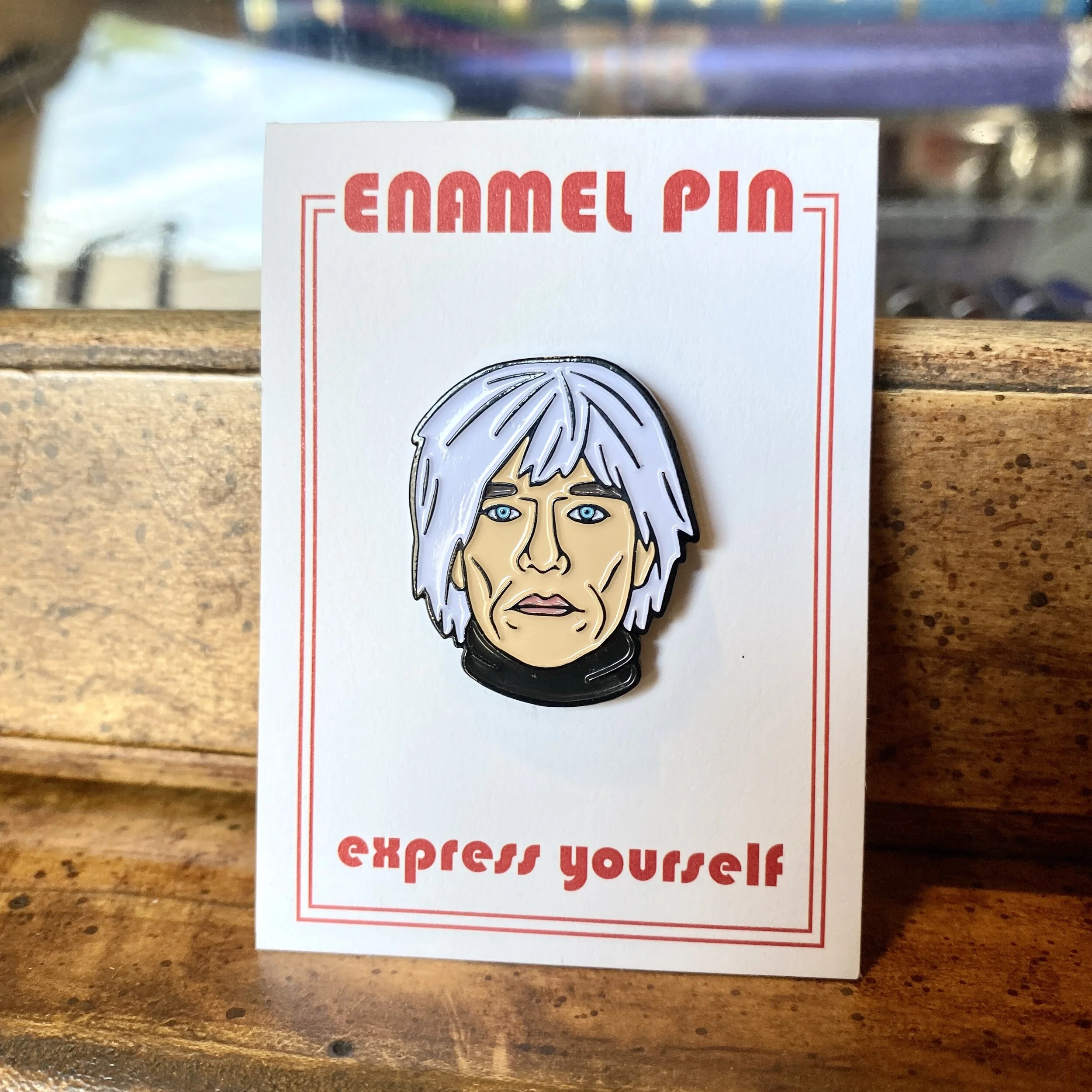
Andy Warhol pin made of copper with enamel paint and a gold metal outline. Comes with a black rubber clutch. Dimensions are approximately 1.375" high x 1.125" wide.
The Found
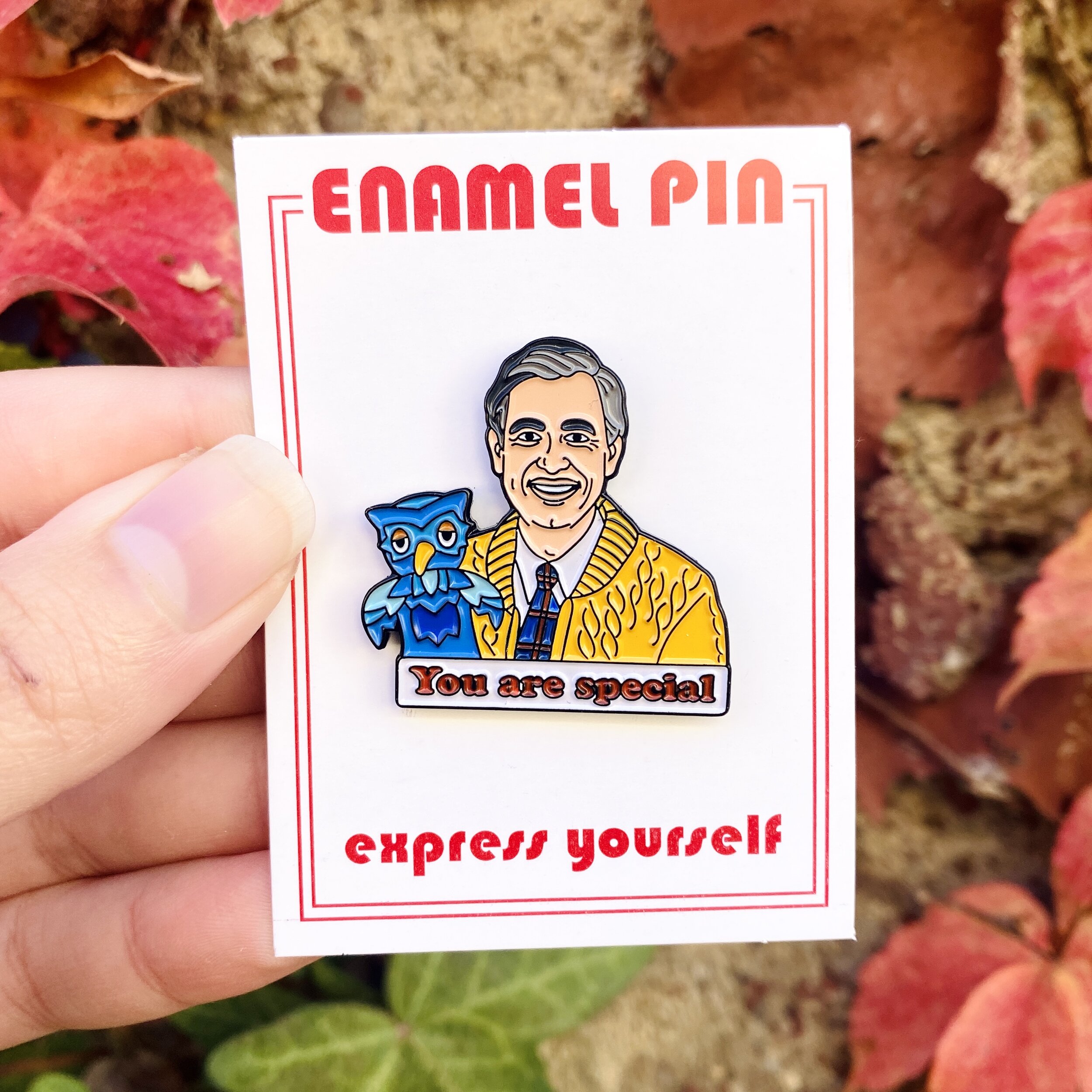
Like a little piece of your childhood you can carry with you everywhere you go, X the owl and all!
Mr. Rogers pin made of copper with enamel paint and a gold metal outline. Comes with a black rubber clutch. Dimensions are approximately 1.25" high x 1.25" wide.

The Found
Pittsburgh Skyline Heart pin made of copper with enamel paint and a gold metal outline. Comes with a black rubber clutch. Dimensions are approximately 1" high x 1.125" wide.
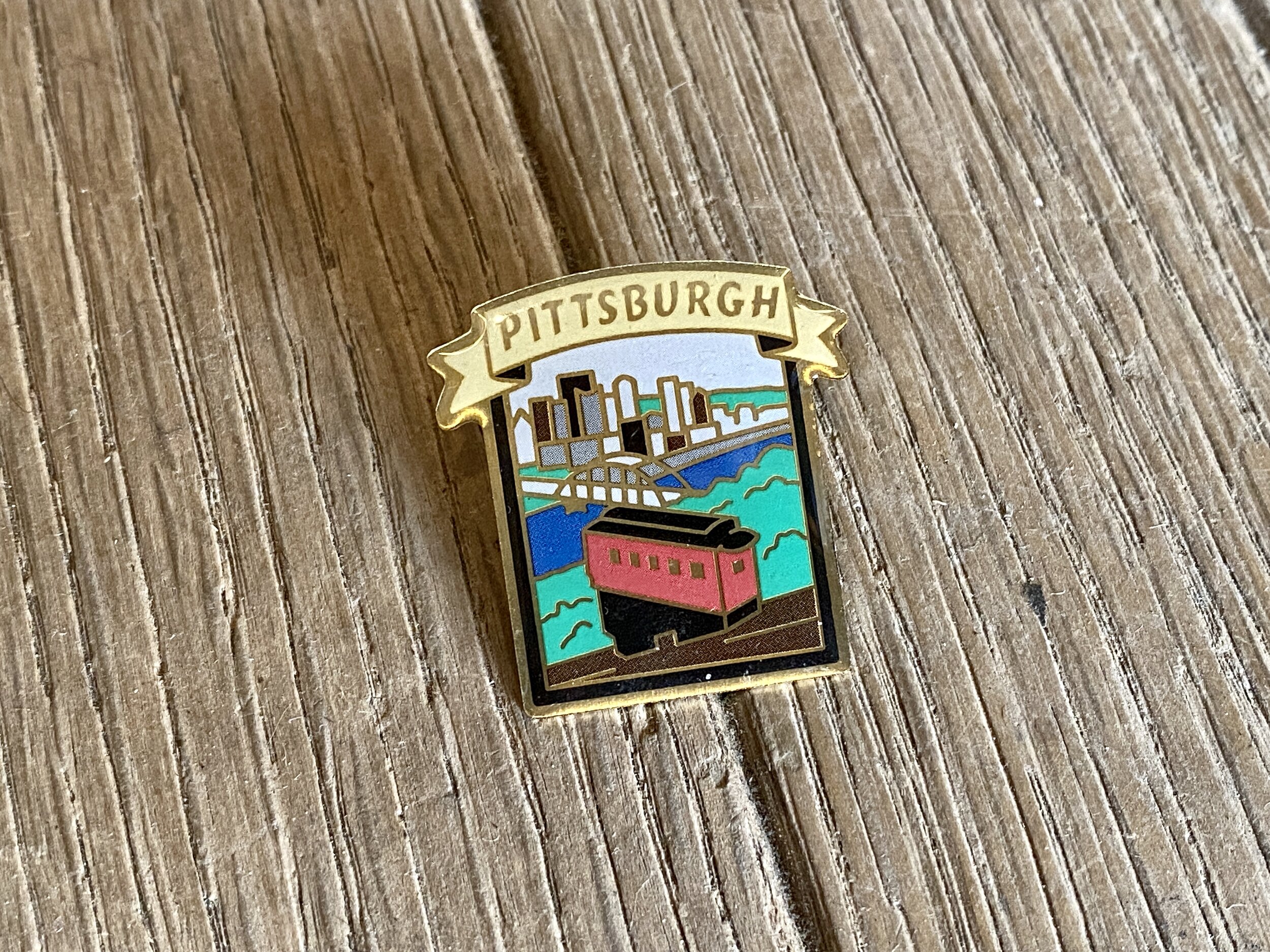
Positively Pittsburgh
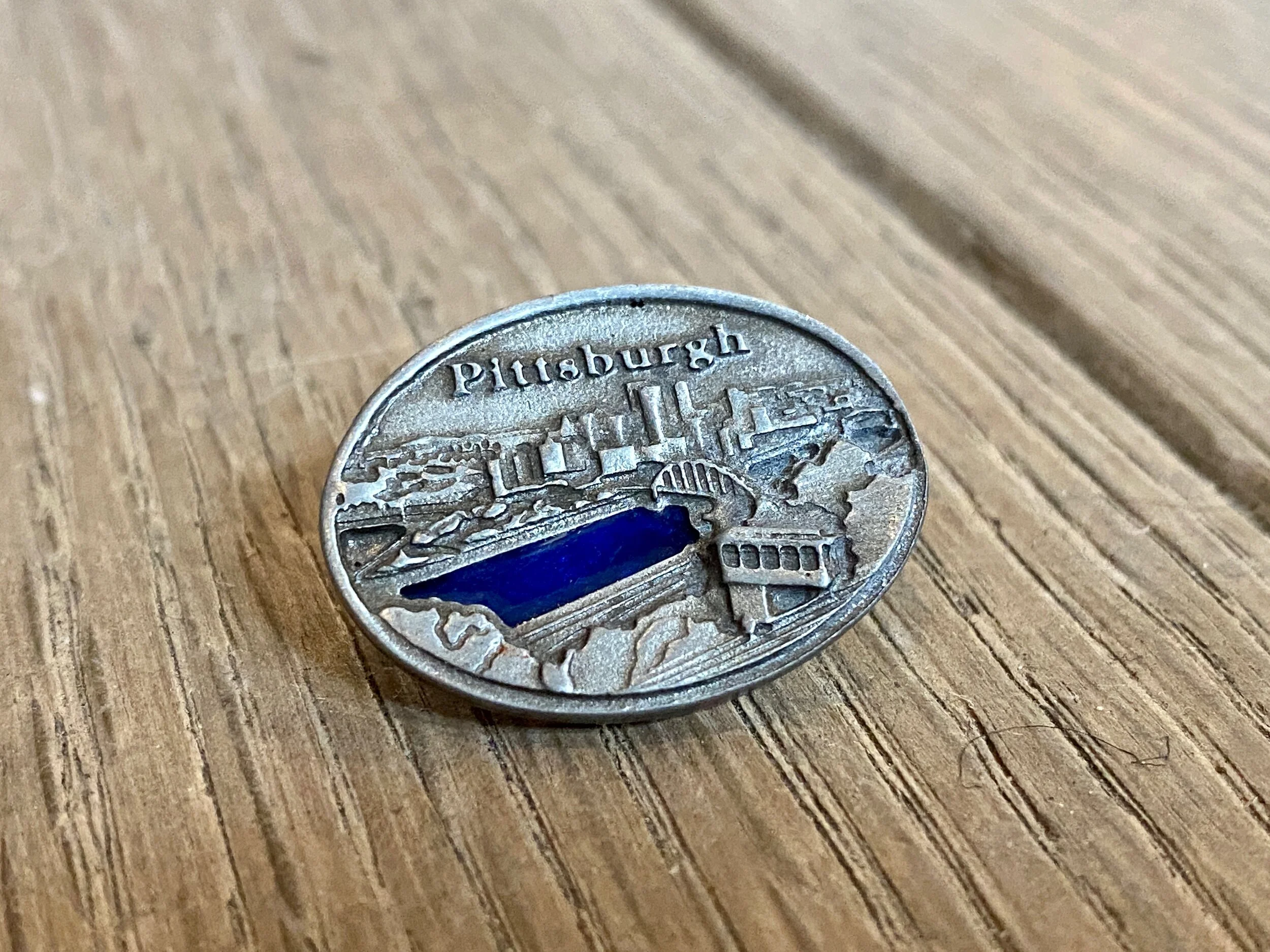
Whether attaching it to a hat, collar, or jacket, our most popular pin is an attention-getter. This multi-colored brass and enamel pin celebrates Pittsburgh’s most iconic symbol and landmark: the Duquesne Incline.
Metal with a glossy coated resin top.
Measures 1.25″W x 1″H
Stickers


Finch + Flourish
Yinz want some stickers?
This vinyl die-cut sticker sheet is weatherproof, scratch-resistant, and dishwasher safe. UV resistant to prevent fading, and durable enough for cars, bikes, water bottles, etc, whatever you wish to customize!
Size: 4" x 6"
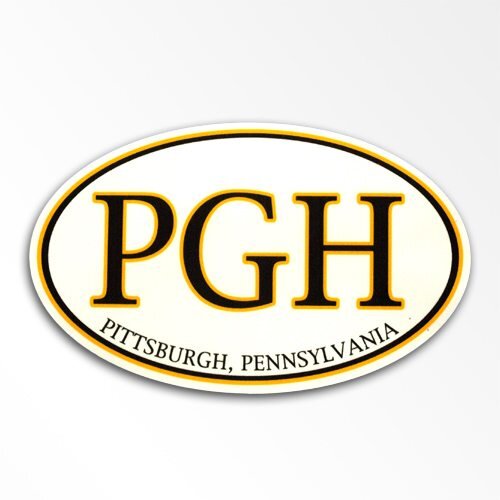
Positively Pittsburgh
This Pittsburgh decal is the perfect addition to any car and lets you bring a piece of Pittsburgh wherever you go. Whether you are near or far, Pittsburgh is always in your heart.
Gold trimmed PGH sticker
Measures 6″W x 3.75″H

Papersalt
Mr. Rogers Neighborhood
3” Square with 2.5” round kiss-cut sticker
Extremely durable; water and weather resistant
Printed in U.S.A.

Papersalt
We are all neighbors
3” Square with 2.5” round kiss-cut sticker
Extremely durable; water and weather resistant
Printed in U.S.A.

The Found
Thick, durable vinyl protects your die cut stickers from scratching, rain & sunlight so you can literally put them anywhere!
3" x 2.63"
High Quality, Scratch Resistant and Dishwasher Safe!
100% Made in the USA
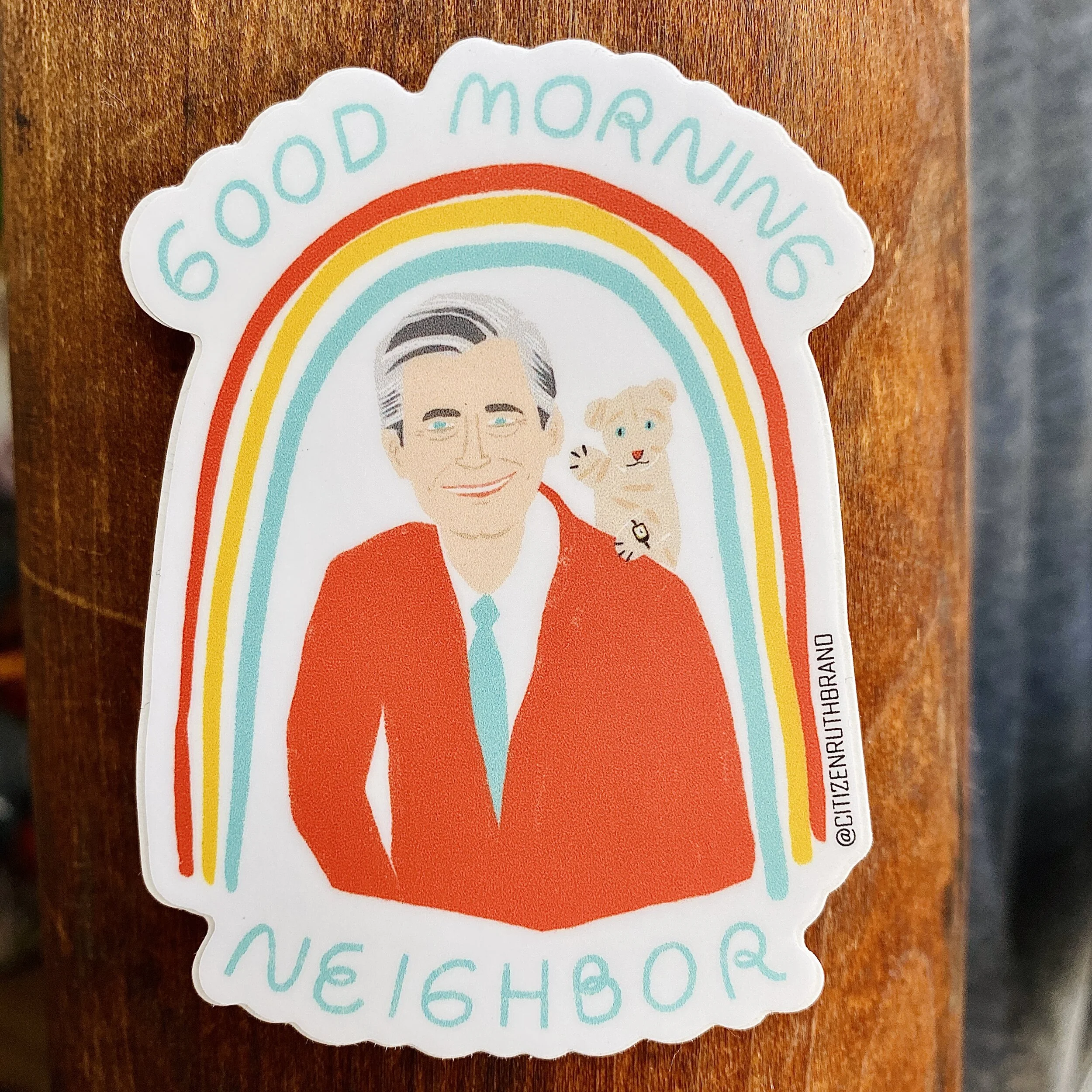
Citizen Ruth
Good Morning Neighbor
Mr. Rogers vinyl sticker. Waterproof and UV protected to prevent fading. Approx. 2"x3". Officially licensed product. Artwork by Gillian Dreher.
This book is a tapestry of unbroken historical threads stretching from 1868 to the present day. Stitched together by newspaper, local museums and universities, uncovered photographs, ancestry research and narrative histories that have unspooled throughout the annals of Shadyside's history. In the center 5522 Walnut St. A building that was constructed in the 1890s and has been a card shop since the 1970s.
What is the deeper story if we take a core sample of this one location? This one building?
We find that 5522 Walnut St. was, at first, a home. A home, I would come to learn, with a front and rear address complete with a backyard. Families lived and loved between its walls as early as the 1890s and as recent as the 1940s. Furthermore, from 1893 to the present day no fewer than 9 businesses have operated out of its address. Not the least of which was during the 1950s when an after-hours speakeasy called the Hollywood Social Club was located on the second floor and, at some point, the mob was involved with ownership.
There was mystery here. There was magic here. There was love. There was death. But most importantly, there was, and is, a community spanning generations that stretches the entire reach of Walnut St. and beyond into Shadyside proper. A community whose records allowed me to stitch this history into what you see before you: a tapestry woven into a book.
A book that is a gift to my wife, Amanda Blair. Owner of Kards Unlimited at 5522 Walnut St.